
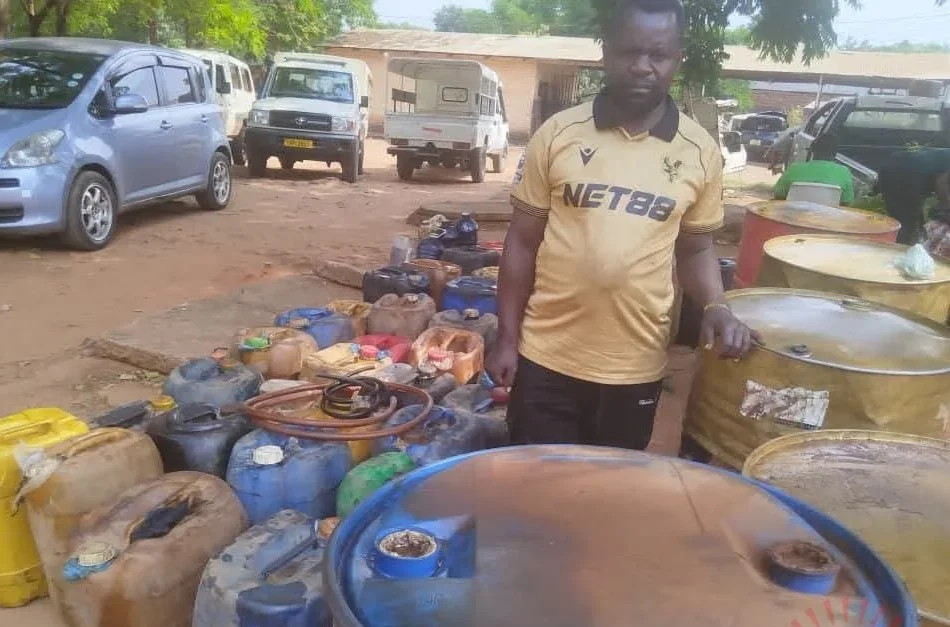
Malawi Police: Seize 1,500 Liters Illegal Fuel in Lilongwe
Summary
- Police in Malawi's Central West Region arrested a 36-year-old businessman.
- The arrest, of Andrew Mwandira, followed the seizure of 1,500 litres of fuel.
- The fuel was suspected of being illegally stored at his shop in Chinsapo 2, Lilongwe.
- The operation took place at Chinsapo 2 Stage.
- This incident highlights ongoing efforts against illegal fuel storage and distribution in Malawi.
What Happened
The decisive and proactive stance taken by the police in this particular instance sends an unequivocal message about the authorities' unwavering commitment to ensuring comprehensive Lilongwe fuel regulations compliance and maintaining order within the nation's vital energy sector, thereby safeguarding both its citizens and the broader economy from the inherent dangers associated with unregulated and illegal fuel activities.
Law enforcement officials in Malawi's Central West Region recently took action against a businessman suspected of illicitly storing fuel. The operation, which culminated in the arrest of 36-year-old Andrew Mwandira, led to the confiscation of a substantial quantity of petroleum products. This incident highlights the ongoing efforts by Malawi police to seize illegal fuel in Lilongwe, targeting unauthorized distribution and storage activities that circumvent established regulations and safety standards.
The apprehension of Mr. Mwandira occurred during a focused police operation conducted specifically at Chinsapo 2 Stage. During this enforcement action, officers located 1,500 litres of fuel that was suspected of being stored without proper authorization at a shop belonging to Mwandira. This establishment is situated within the Chinsapo 2 area of Lilongwe. The businessman, identified as Andrew Mwandira, now faces legal proceedings related to the alleged illegal storage of these petroleum products, signaling a continued emphasis on regulatory adherence within the nation's energy sector.
Regulatory Context
The recent seizure of 1,500 litres of fuel and the subsequent Andrew Mwandira fuel arrest in Lilongwe underscore the critical importance of adhering to Malawi's stringent regulations governing the storage and distribution of petroleum products. Storing such volatile materials without proper authorization and safety measures presents significant dangers, not only posing a substantial risk of fire and explosion to the immediate vicinity but also potentially compromising the broader integrity and security of the national fuel supply chain. Strict compliance with all applicable Lilongwe fuel regulations is therefore an absolute necessity for every entity operating within the energy sector, ranging from major importers and distributors to smaller, local retailers.
Malawi's comprehensive regulatory framework is meticulously designed to ensure that all fuel products are handled, stored, and distributed in a manner that is both safe and entirely legal. This framework serves to actively prevent a range of detrimental practices, including fuel adulteration, widespread tax evasion, and the creation of unfair competitive advantages for non-compliant operators. Incidents such as the discovery at the Chinsapo 2 illegal fuel storage location serve as a clear demonstration of the proactive and vigilant role that law enforcement plays in consistently upholding these vital standards across the country. Businesses engaged in this sensitive and critical sector are unequivocally expected to adhere strictly to all licensing requirements, environmental protection guidelines, and rigorous safety protocols, thereby avoiding severe legal repercussions and actively contributing to a stable and secure energy environment for all Malawians.
Why It Matters
This specific enforcement action, which forms a part of the wider Malawi fuel smuggling enforcement initiatives, carries profound implications that extend far beyond the immediate arrest and the confiscation of the illicit fuel. The presence of illegally stored fuel, particularly when found in densely populated residential or commercial zones such as Chinsapo 2, constitutes an extremely grave public safety hazard. Unregulated storage facilities frequently lack the essential safety infrastructure and protocols required for handling flammable liquids, dramatically increasing the likelihood of catastrophic events such as explosions, uncontrolled fires, and severe environmental contamination. Such incidents can tragically endanger human lives, cause extensive property damage, and inflict long-term ecological harm.
Furthermore, the pervasive illicit trade of fuel actively undermines the operations of legitimate businesses that diligently comply with all regulatory, licensing, and tax obligations. This underground market can lead to significant distortions within the legal fuel market, resulting in substantial revenue losses for the government that could otherwise fund public services, and potentially compromising the quality and safety of fuel available to unsuspecting consumers. The decisive and proactive stance taken by the police in this particular instance sends an unequivocal message about the authorities' unwavering commitment to ensuring comprehensive Lilongwe fuel regulations compliance and maintaining order within the nation's vital energy sector, thereby safeguarding both its citizens and the broader economy from the inherent dangers associated with unregulated and illegal fuel activities.
Practical Implications
This incident highlights the ongoing enforcement against illegal fuel storage and distribution in Malawi. Lawyers advising businesses in the energy sector should ensure clients' operations, particularly regarding fuel handling and storage, are fully compliant with all relevant Malawian regulations to avoid criminal charges and asset forfeiture.
Source
Source: Original reporting via Malawi24
How does this affect you?
Get an AI analysis of this article grounded in your jurisdictions, practice areas, and any policy documents you've uploaded to Wansom.
Wansom is AI and can make mistakes.