
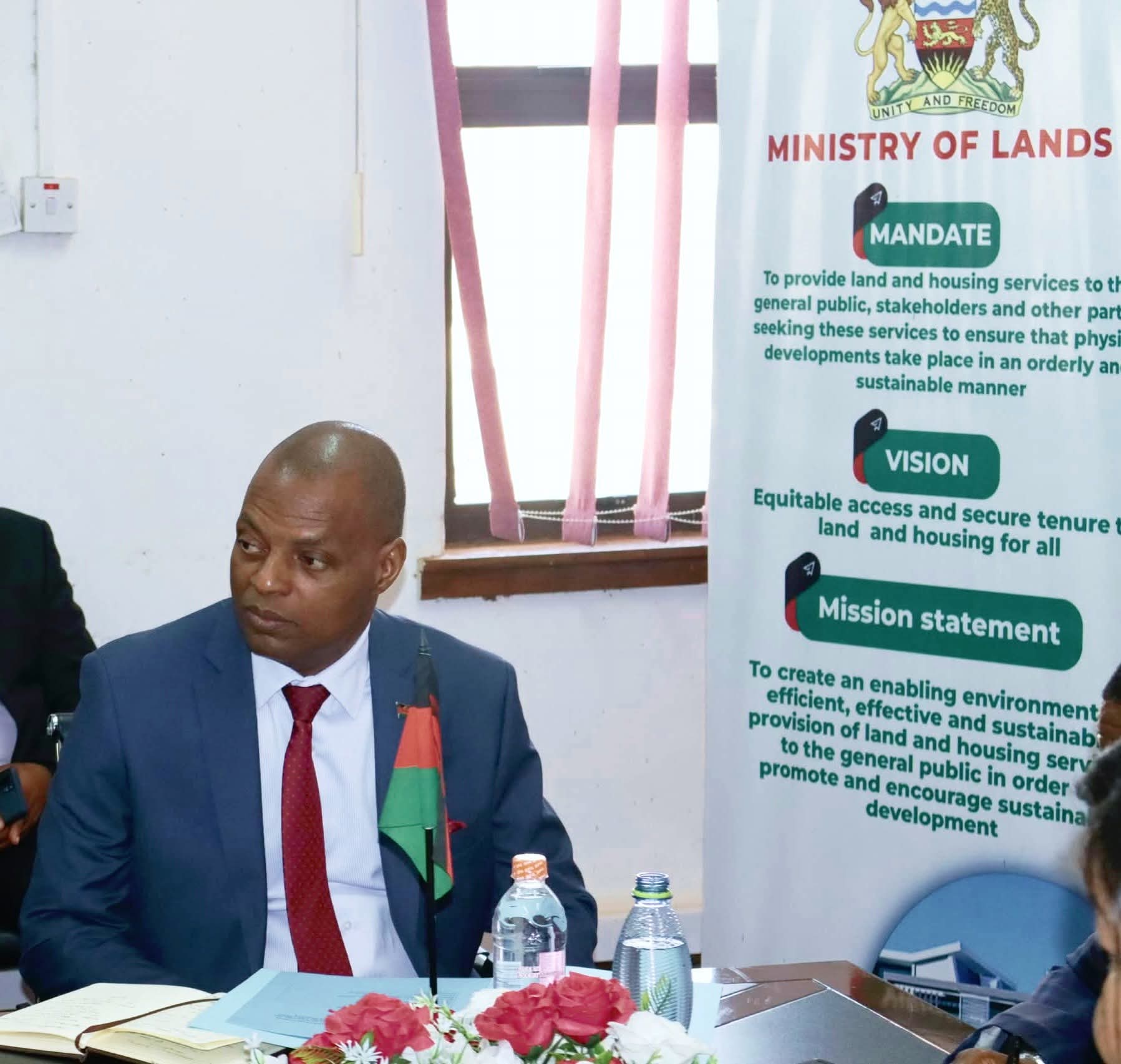
Malawi Government: Plot Allocation Compensation Delays Stall Projects
Summary
- The Malawi government has failed to allocate development plots at three key sites for several years.
- This delay is due to the government's inability to pay compensation to residents living on the land.
- The affected sites are Area 54 in Lilongwe, Dunduzu in Mzuzu, and Matindi in Blantyre.
- The ongoing compensation delays are hindering urban development and creating legal challenges.
- The situation impacts investor confidence and the livelihoods of affected communities.
Ongoing Development Stalls
Significant Malawi plot allocation compensation delays are currently hindering the progress of several key development projects across the nation.
Significant Malawi plot allocation compensation delays are currently hindering the progress of several key development projects across the nation. For multiple years, the government has been unable to proceed with allocating plots to developers at three designated sites, primarily due to its failure to disburse compensation to the individuals residing on these lands.
The affected locations include Area 54 in Lilongwe, Dunduzu in Mzuzu, and Matindi in Blantyre. These sites were earmarked for development a considerable time ago, yet the necessary preparatory steps, specifically the compensation of existing occupants, have not been completed. This stagnation means that despite the identified potential for growth and infrastructure, no actual development can commence, leaving the plots unassigned and the projects in limbo.
Legal and Regulatory Hurdles
The persistent failure of the Malawi government to provide compensation for acquired land introduces substantial legal and regulatory challenges. Under established land acquisition frameworks, fair and timely compensation is a fundamental prerequisite before any land can be legally transferred or developed. The current situation highlights a critical breakdown in this process, potentially leading to Malawi land compensation disputes.
This ongoing issue underscores the complexities inherent in Malawi government land acquisition, particularly when it involves displacing existing communities. The Ministry of Lands, Housing and Urban Development Malawi, while not explicitly mentioned in the source as a party to the delay, is implicitly responsible for overseeing such processes, and the current impasse reflects a broader systemic challenge in ensuring property rights are respected and legal obligations are met before development can proceed.
Broader Implications for Development
The protracted Malawi plot allocation compensation delays carry far-reaching implications for urban expansion and economic growth, particularly impacting Lilongwe Mzuzu Blantyre land development. The inability to allocate Area 54 Dunduzu Matindi land to developers means that planned infrastructure and housing projects cannot move forward, stifling potential investment and job creation in these key urban centers.
For developers, these delays translate into prolonged project commencement and increased uncertainty, potentially deterring future investment in Malawi's development sector. Furthermore, the communities living on these designated lands face ongoing uncertainty, as they await the compensation that would allow them to relocate and rebuild their lives. This situation not only impedes physical development but also erodes public trust in government-led initiatives and the efficiency of land management processes.
Practical Implications
Lawyers advising clients on land development projects in Malawi, especially in the specified areas, should factor in significant delays due to the government's failure to pay compensation, which could lead to prolonged project commencement and potential legal challenges related to land acquisition and property rights.
Source
How does this affect you?
Get an AI analysis of this article grounded in your jurisdictions, practice areas, and any policy documents you've uploaded to Wansom.
Finish Reading the Full Story and the Expert Analysis.
Get the latest legal & regulatory intelligence in Malawi
Wansom is AI and can make mistakes.