
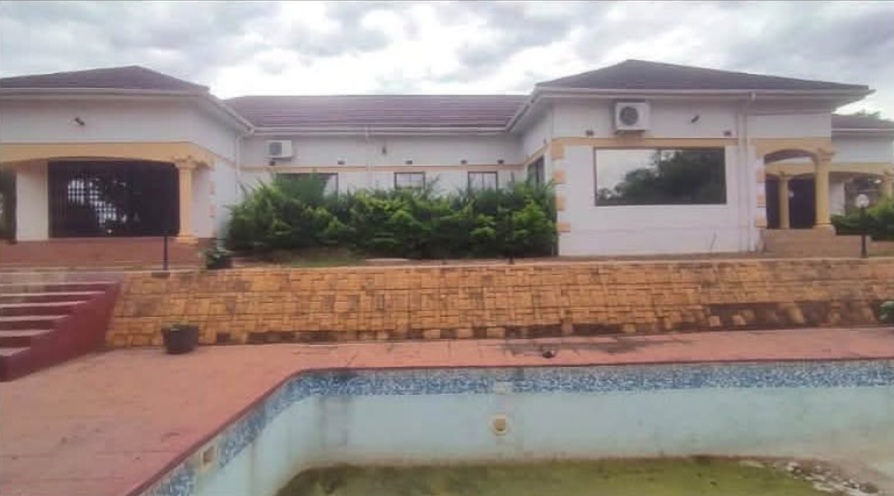
Malawi Parliament: Inquiring Into Dilapidated Paul Mphwiyo Seized House
Summary
- Former budget director Paul Mphwiyo's K690 million house in Area 43 has been left to rot after being seized by the State.
- The property was forfeited in March 2024 but remains dilapidated and apparently deserted.
- Malawi's Parliament is questioning why seized assets are deteriorating and wants answers.
- Gilbert Khonyongwa, chairperson of the Legal Affairs Committee, stated the committee is considering a public inquiry.
- The inquiry aims to address the broader issue of rotting seized assets in Malawi.
The Dilapidation of a Seized Asset
The ongoing issue of neglected forfeited properties, vividly illustrated by the Paul Mphwiyo seized house Malawi, carries profound implications for the responsible management of public resources and the overall integrity of the asset forfeiture process.
The K690 million residence formerly owned by Paul Mphwiyo, a former budget director, located in Area 43, has fallen into a severe state of disrepair after being taken over by the Malawian government. This significant property, which was officially forfeited to the State in March 2024, now stands apparently deserted and extensively dilapidated. The condition of the Paul Mphwiyo seized house in Malawi has drawn considerable attention, serving as a prominent example of broader concerns regarding the state's handling of confiscated assets.
The current abandonment and decay of the Mphwiyo K690m house forfeiture raise serious questions about the efficacy of the state's asset management protocols. Despite its substantial monetary value, the property's neglect suggests a critical gap in the system designed to maintain and potentially monetize such holdings once they come under government control. This specific case underscores a systemic challenge in preserving the value of assets that have been legally acquired by the state.
Legislative Scrutiny on Asset Management Failures
In response to the alarming condition of properties like the Mphwiyo residence, the Malawian Parliament has initiated a comprehensive inquiry aimed at understanding why numerous seized assets across the country are being allowed to deteriorate. Gilbert Khonyongwa, who serves as the chairperson for the Legal Affairs Committee, has publicly stated that his committee is actively considering the launch of a full public inquiry to investigate these pressing Malawi asset forfeiture issues.
This parliamentary intervention highlights a growing legislative concern over the stewardship of state-controlled properties. The Legal Affairs Committee, under the leadership of Gilbert Khonyongwa, is particularly focused on identifying the underlying systemic failures that contribute to the widespread neglect of valuable assets, including the Paul Mphwiyo seized house Malawi. The proposed public inquiry seeks to uncover the root causes behind the dilapidation of these state-controlled properties, which represent a significant loss of potential public value. The committee's efforts are centered on improving Malawi seized property management and ensuring greater accountability in the preservation of these assets.
Implications for Public Resources and Accountability
The ongoing issue of neglected forfeited properties, vividly illustrated by the Paul Mphwiyo seized house Malawi, carries profound implications for the responsible management of public resources and the overall integrity of the asset forfeiture process. When valuable assets are permitted to fall into disrepair, their market value inevitably plummets, thereby diminishing the potential financial benefits that the state could otherwise realize through their sale, lease, or productive utilization. This situation directly challenges the state's fundamental responsibility to preserve the value of forfeited property for the benefit of its citizens.
The parliamentary inquiry into Malawi asset forfeiture issues is therefore a critical step towards addressing these systemic shortcomings. It underscores the urgent need for robust and transparent frameworks for Malawi seized property management, which would ensure that assets acquired through legal forfeiture are not only maintained but also effectively utilized to serve the public good, rather than becoming financial and structural liabilities. The current state of the Mphwiyo K690m house forfeiture serves as a powerful and visible reminder of the substantial financial and ethical costs associated with inadequate stewardship of public assets.
Practical Implications
Lawyers should monitor the ongoing parliamentary inquiry into the dilapidation of seized assets in Malawi, as it highlights systemic issues in asset forfeiture and management that could influence future policy, legislation, or judicial scrutiny regarding the state's responsibility to preserve the value of forfeited property.
Source
How does this affect you?
Get an AI analysis of this article grounded in your jurisdictions, practice areas, and any policy documents you've uploaded to Wansom.
Finish Reading the Full Story and the Expert Analysis.
Get the latest legal & regulatory intelligence in Malawi
Wansom is AI and can make mistakes.