
Malawi Plane Crash Inquiry: Witness Friend Vouch for Testimony
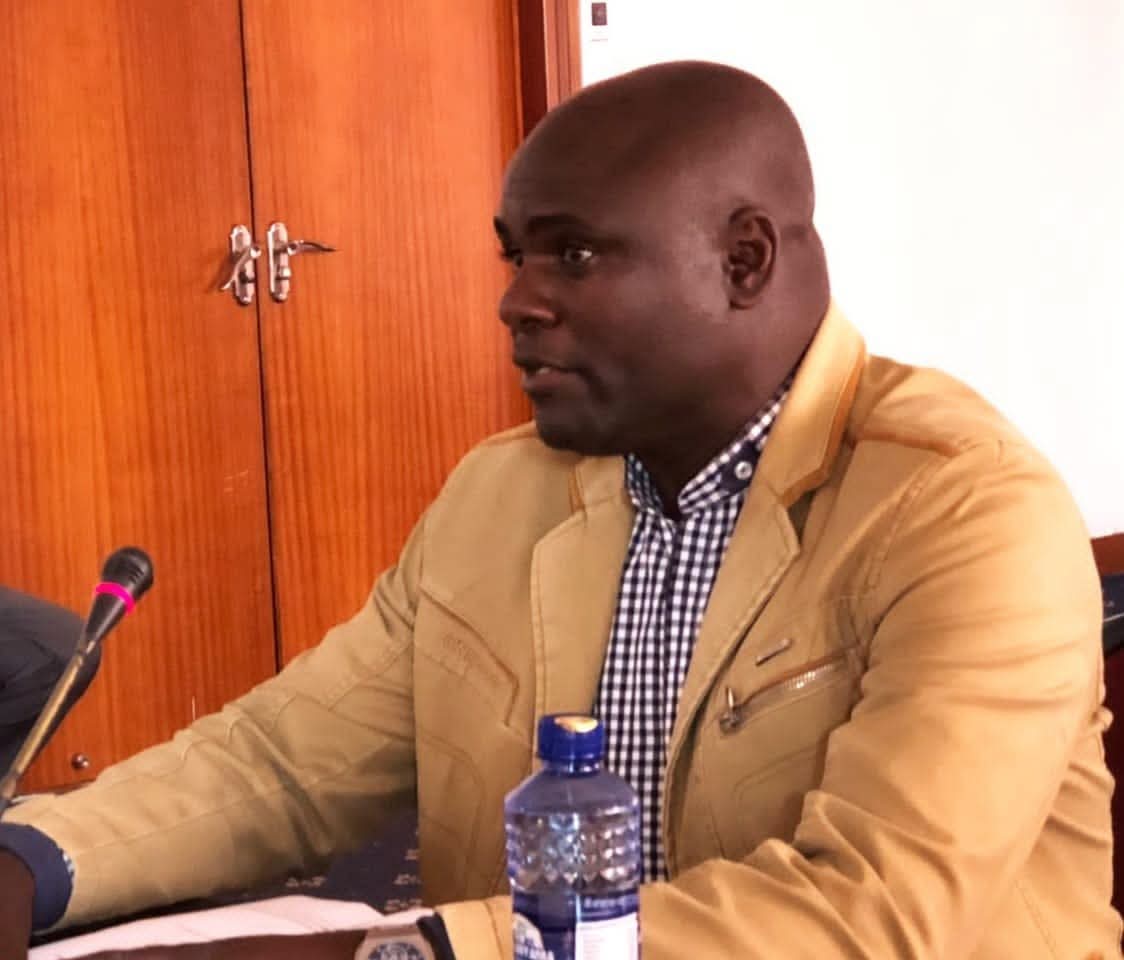
In Malawi, a friend of a key witness in the Chikangawa plane crash inquiry, identified as Munthali, recently appeared before a Parliamentary Ad-hoc Committee, confirming he encouraged witness Ephraim Duma to come forward with his account of seeing former Vice-President Saulos Chilima calling for help from the crashed aircraft.
This development underscores the critical role of witness testimony, particularly in high-profile investigations involving public figures and national tragedies. For legal practitioners, it highlights the challenges and complexities associated with assessing witness credibility, especially when accounts are extraordinary or potentially controversial. The public interest in such inquiries demands thoroughness, and the introduction of corroborating or supporting testimony, even from a friend, can influence public perception and the direction of the investigation. It also touches upon the ethical considerations for individuals encouraging witnesses to come forward, ensuring such encouragement does not cross into undue influence or fabrication.
The investigation into the plane crash involving former Vice-President Saulos Chilima is being conducted by a Parliamentary Ad-hoc Committee. In Malawi, parliamentary committees have powers to summon witnesses, compel testimony, and gather evidence as part of their oversight and investigative functions, often operating under the National Assembly's Standing Orders and relevant constitutional provisions, such as Section 56 of the Constitution of Malawi regarding parliamentary powers. While not a judicial body, its findings can inform executive action, legislative reform, or even trigger further criminal or civil investigations. The principles of natural justice, including the right to be heard and the need for fair process, would implicitly guide such an inquiry, even if its procedural rules are distinct from those of a court of law. The credibility of witnesses, a cornerstone of any fact-finding process, is paramount here, and the committee's role is to weigh such evidence.
The primary parties involved are the Parliamentary Ad-hoc Committee investigating the Chikangawa plane crash, the witness Ephraim Duma, and his friend Munthali. The deceased former Vice-President Saulos Chilima is the subject of the inquiry. While not explicitly stated, the Malawian government and potentially the military (given the nature of the crash) are implicitly involved as the entities responsible for the overall investigation and any subsequent actions.
Attorneys should closely monitor the proceedings and findings of this Parliamentary Ad-hoc Committee, as its report could have significant implications for public policy, aviation safety regulations, and potentially future legal actions. For those involved in litigation or investigations, this case serves as a reminder of the importance of witness management, corroboration, and the rigorous assessment of testimony, particularly in politically charged or emotionally sensitive matters. Practitioners should also be aware of the distinct procedural rules and powers of parliamentary inquiries compared to judicial proceedings, and how evidence presented in one forum might be treated in another. The outcome of this specific matter, including the committee's final report and any recommendations, is not yet reported in the excerpt.
How does this affect you?
Get an AI analysis of this article grounded in your jurisdictions, practice areas, and any policy documents you've uploaded to Wansom.
Finish Reading the Full Story and the Expert Analysis.
Get the latest legal & regulatory intelligence in Malawi
Wansom is AI and can make mistakes.