
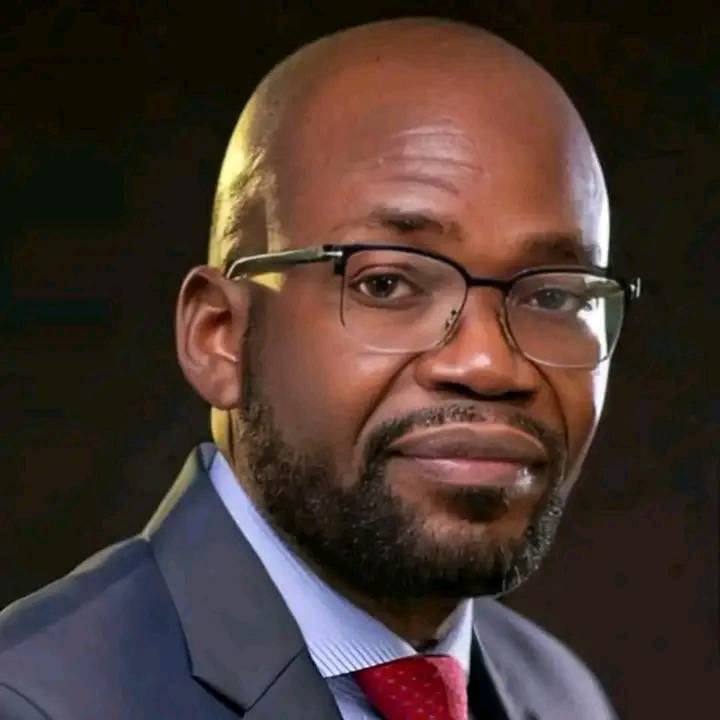
Malawi Parliamentary Inquiry: Kunkuyu Demands MPs Testify on Chilima Crash
Former Malawian Cabinet minister Moses Kunkuyu has demanded that fellow Members of Parliament, Njawala and Kaliati, be summoned to testify before a parliamentary ad-hoc committee investigating the fatal Chikangawa plane crash that killed former Vice-President Saulos Chilima and eight others. This public demand by Kunkuyu, a former Information Minister and MP, has introduced significant turmoil into the ongoing legislative inquiry, intensifying pressure to uncover the full truth behind the tragic incident. The excerpt indicates that Kunkuyu believes the testimony of these two MPs is crucial to the committee's investigation, though the specific reasons for his demand or the nature of the information they are believed to possess are not detailed.
This development carries substantial legal and political significance for practitioners in Malawi. It highlights the inherent challenges and potential for political maneuvering within high-profile parliamentary inquiries, especially when they involve public officials and national tragedies. For attorneys, it underscores the complexities surrounding the powers of legislative committees to compel testimony, particularly from sitting Members of Parliament, and the potential for parliamentary privilege or immunity to be invoked. The integrity and perceived independence of the ad-hoc committee's investigation are paramount, and such demands can influence public perception of the inquiry's thoroughness and impartiality.
In Malawi, parliamentary committees derive their authority from the Constitution of Malawi, specifically Chapter VI, which outlines Parliament's functions and powers, including the ability to summon persons, papers, and records (e.g., Section 68). The Standing Orders of Parliament further detail the procedural aspects of these powers. While parliamentary privilege generally protects MPs from certain legal actions related to their legislative duties, it typically does not shield them from testifying before their own house's committees on matters of public interest. Any resistance to a summons or invocation of privilege would be adjudicated within this constitutional and parliamentary framework. The ad-hoc committee's findings, while not judicial, can significantly influence subsequent executive or legal actions.
The key parties involved in this specific development are the Malawian Parliament, through its ad-hoc committee investigating the Chikangawa plane crash; former Cabinet minister and MP Moses Kunkuyu, who initiated the demand; and the two named Members of Parliament, Njawala and Kaliati, whose testimony is being sought. The late former Vice-President Saulos Chilima and the eight other victims are central to the tragedy under investigation. The outcome of Kunkuyu's demand for Njawala and Kaliati to be summoned is not yet reported.
Practitioners should closely monitor the procedural developments of this parliamentary inquiry, particularly how the committee exercises its powers to compel testimony and any potential challenges or invocations of parliamentary privilege. For clients involved in public inquiries or facing demands for testimony from legislative bodies, understanding the precise scope of parliamentary powers, the rights of witnesses, and the potential political ramifications is crucial. This case serves as a pertinent reminder of the intricate interplay between political processes and legal frameworks in high-stakes national investigations, emphasizing the need for careful legal counsel regarding legislative demands.
How does this affect you?
Get an AI analysis of this article grounded in your jurisdictions, practice areas, and any policy documents you've uploaded to Wansom.
Finish Reading the Full Story and the Expert Analysis.
Get the latest legal & regulatory intelligence in Malawi
Wansom is AI and can make mistakes.