
Malawi Inquiry: Chilima Family Handpicked Autopsy Pathologist
Summary
- The family of Vice President Saulos Klaus Chilima personally selected the pathologist for his autopsy.
- This crucial decision was made before public questions about the crash began to dominate the debate.
- The information regarding the family's choice was revealed during a parliamentary inquiry into the Vice President's death.
Key Revelation in Death Inquiry
This development emphasizes the procedural aspects and family rights in high-profile death investigations in Malawi, particularly concerning the selection of forensic experts.
The ongoing investigation into the tragic death of Malawi's Vice President, Saulos Klaus Chilima, has brought to light a significant detail concerning the initial forensic procedures. It has been revealed that the family of the late Vice President took a direct role in selecting the medical expert responsible for conducting the post-mortem examination. This crucial decision, which saw the Chilima family handpicked autopsy pathologist, occurred well in advance of the widespread public scrutiny and questions that later emerged concerning the circumstances of the fatal crash.
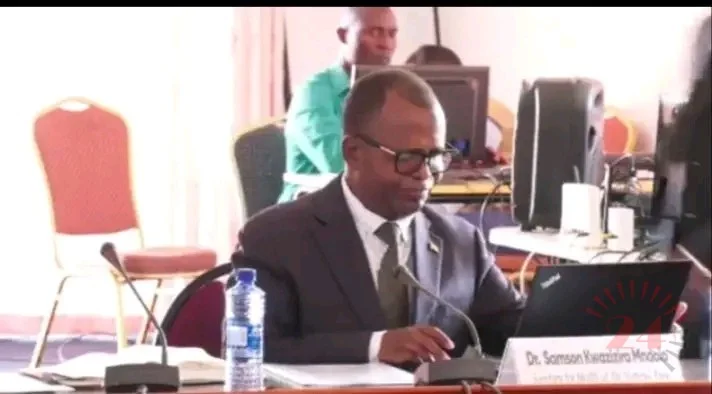
This information surfaced during a parliamentary inquiry, which is actively scrutinizing the events surrounding the Vice President's demise. The inquiry heard testimony indicating that the family's choice of pathologist was a pre-emptive measure, taken before the broader public debate around the crash investigation gained significant momentum. This detail provides insight into the early stages of the official response to the high-profile incident, highlighting a specific procedural step taken by the family.
Family's Role in Forensic Examination
The involvement of the Chilima family in the selection of the forensic pathologist underscores a particular aspect of the investigative process following the untimely death of Saulos Klaus Chilima. Rather than relying solely on state-appointed experts, the family exercised its prerogative to choose the individual who would perform the critical autopsy. This step is often seen as a means to ensure impartiality and thoroughness in sensitive cases, particularly when public figures are involved and public confidence is paramount.
The decision for the Chilima family to handpick the autopsy pathologist highlights a procedural pathway that allows for family agency in forensic matters. Such a choice can be pivotal in establishing confidence in the findings, especially when the circumstances surrounding a death are subject to intense public and political interest. The outcome of the Malawi Vice President autopsy is a central component of the ongoing Saulos Klaus Chilima death inquiry, making the selection of the examiner a point of considerable weight for all stakeholders.
Implications for Public Trust and Oversight
The disclosure during the Malawi parliamentary inquiry Chilima regarding the family's selection of the pathologist carries significant implications for public trust and the perceived integrity of the entire Chilima crash investigation. When families are directly involved in such critical appointments, it can contribute to a sense of transparency and accountability, potentially mitigating skepticism about official reports. This level of family involvement can be particularly important in high-profile cases where the public demands absolute clarity and unbiased findings, fostering greater acceptance of the final conclusions.
This development emphasizes the procedural aspects and family rights in high-profile death investigations in Malawi, particularly concerning the selection of forensic experts. Lawyers advising families in similar cases should note the potential for family involvement in ensuring perceived impartiality and challenging official findings, which could be crucial for public trust and legal strategy. The ongoing parliamentary inquiry continues to piece together all aspects of the tragedy, and the early decisions made, such as the choice of pathologist, form a foundational part of that comprehensive review.
Practical Implications
This development underscores the procedural aspects and family rights in high-profile death investigations in Malawi, particularly concerning the selection of forensic experts. Lawyers advising families in similar cases should note the potential for family involvement in ensuring perceived impartiality and challenging official findings, which could be crucial for public trust and legal strategy.
Source
Source: Original reporting via Malawi24.
How does this affect you?
Get an AI analysis of this article grounded in your jurisdictions, practice areas, and any policy documents you've uploaded to Wansom.
Wansom is AI and can make mistakes.