
Malawi: Parliamentary Committee Stay Order Halts Investigations
Summary
- A Malawian court has issued a stay order against the formation of parliamentary committees.
- These committees were intended to investigate 'rot and ineptitude' within public institutions.
- The judicial intervention temporarily halts the National Assembly's planned oversight activities.
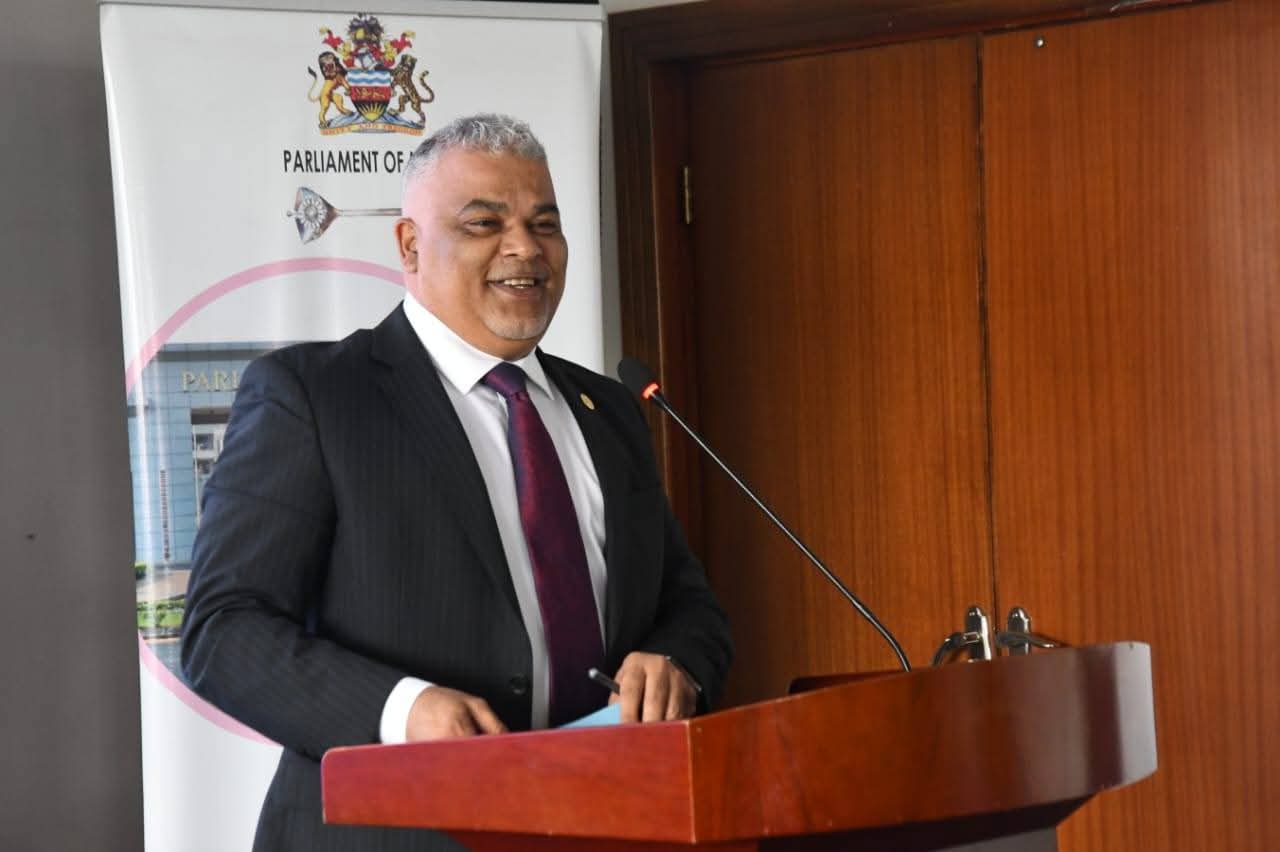
- Right Honourable Sameer Suleman, the incumbent Speaker, is seen as central to an ongoing 'architectural shift' in Malawi's politics.
- The court order impacts the legislative process amidst broader discussions of democratic transformation and future leadership.
Judicial Intervention Halts Parliamentary Oversight
The successful court stay order against the formation of these parliamentary committees underscores the intricate balance of power inherent in Malawi's constitutional framework.
A significant judicial intervention in Malawi has temporarily brought to a standstill a key legislative initiative aimed at enhancing public accountability. This development follows a successful court stay order, which specifically targeted the procedural formulation of parliamentary committees within the National Assembly. These committees were mandated to undertake critical investigations into widespread 'rot and ineptitude' identified across various public institutions, signaling a concerted effort to address governance shortcomings.
The issuance of this Malawi parliamentary committee stay order means that the planned parliamentary investigations into government inefficiencies and alleged misconduct cannot proceed as initially envisioned. This judicial directive effectively suspends the establishment of these oversight bodies, thereby delaying their crucial work in scrutinizing public sector operations and ensuring transparency. The immediate consequence is a pause in the legislature's capacity to exercise one of its fundamental roles: holding public institutions to account.
This Malawi court order parliamentary investigations therefore represents a notable moment in the interplay between Malawi's judicial and legislative branches. While the specifics of the legal challenge leading to the stay order have not been fully detailed, its impact is clear: a temporary cessation of a significant parliamentary effort to address corruption and mismanagement, leaving the public awaiting further developments regarding these vital probes.
Legal and Procedural Implications
The successful court stay order against the formation of these parliamentary committees underscores the intricate balance of power inherent in Malawi's constitutional framework. Such a judicial directive, effectively a temporary injunction, places a direct constraint on a legislative action, thereby highlighting the judiciary's inherent authority to review and potentially halt procedural aspects of parliamentary operations. This mechanism ensures that legislative processes, including the establishment of oversight bodies, adhere to established legal norms and constitutional provisions.
This particular Malawi judicial review legislative process appears to center directly on the 'formulation' of the committees, rather than questioning the necessity or validity of their ultimate investigative goals. This distinction is crucial, suggesting that the legal challenge likely focused on procedural correctness or the legality of how these committees were being established. Consequently, the Malawi National Assembly committees stay in their current state of non-formation, unable to commence their work until the legal matter is resolved.
The implications extend beyond the immediate halt of committee activities. This legal challenge and subsequent stay order introduce a layer of complexity to the ongoing efforts to strengthen public institutions oversight legal frameworks in Malawi. It could potentially set important precedents for future interactions between the judicial and legislative branches, particularly concerning the procedural aspects of parliamentary committee formation and the scope of their mandates, thereby influencing the broader landscape of governance and accountability.
Political Landscape and Future Outlook
Against this backdrop of judicial intervention impacting legislative oversight, the broader political landscape in Malawi is described by some observers as undergoing a 'formidable architectural shift' and a 'democratic renaissance.' At the very heart of this evolving political narrative stands the Right Honourable Sameer Suleman, who currently holds the influential position of incumbent Speaker of the National Assembly.
Suleman is prominently positioned by certain commentaries as being at the 'epicentre' of these transformative political currents, suggesting a pivotal role in the nation's democratic evolution. The court's decision, by directly affecting the National Assembly's capacity for robust oversight, inevitably intersects with the broader dynamics of Sameer Suleman Malawi politics. Such events can influence public perception of institutional effectiveness and the leadership capabilities of key political figures.
Furthermore, the source article itself, titled 'The Crusader’s Manifest: Why speaker Sameer Suleman must ascend the presidential firmament in 2030,' frames these current developments within a larger perspective on Suleman's potential political trajectory. This commentary suggests that the ongoing events, including the Malawi parliamentary committee stay order, are viewed through the lens of future leadership aspirations and the shaping of Malawi's political future, underscoring the high stakes involved in the nation's governance and accountability efforts.
Source
How does this affect you?
Get an AI analysis of this article grounded in your jurisdictions, practice areas, and any policy documents you've uploaded to Wansom.
Finish Reading the Full Story and the Expert Analysis.
Wansom is AI and can make mistakes.