
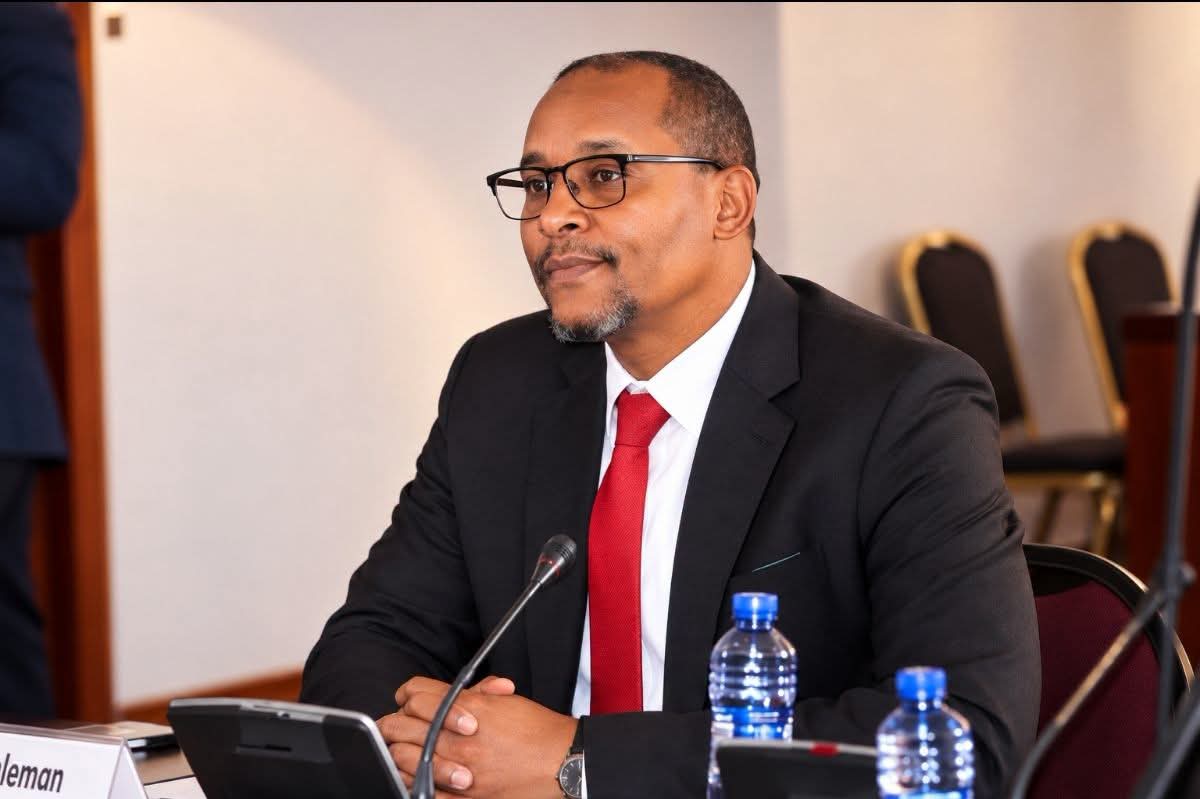
Malawi Parliament: Suleman Defends Facebook Post in Chilima Crash Inquiry
Daud Suleman, a former chief of Malawi's telecoms regulator, recently appeared before Parliament to publicly defend himself against speculation arising from a Facebook post he made on the day of the plane crash that killed former Vice-President Saulos Chilima.
Suleman was compelled to address a parliamentary body regarding a "cryptic" social media post that had sparked widespread online speculation, suggesting he possessed advance knowledge of the tragic plane crash. This public defense before Parliament indicates a formal process of accountability and inquiry into the conduct of individuals, even former officials, especially when their actions or statements are perceived to be linked to events of national significance and public concern.
This incident highlights the increasing scrutiny of public officials' (both current and former) social media conduct, particularly in sensitive national contexts. It underscores the potential for online speculation to trigger formal parliamentary inquiries and demand public explanations, emphasizing the reputational and legal risks associated with social media use, even for personal accounts, when individuals hold or have held prominent public positions. For legal professionals, it brings to the fore the delicate balance between freedom of expression and the imperative to avoid actions that could undermine public trust or interfere with official investigations.
The parliamentary appearance falls under the legislative oversight function of the Malawian Parliament, which possesses broad powers to summon individuals to provide testimony or explanations concerning matters of public interest or national security. While the specific legal basis for compelling a former official to explain a personal social media post might be subject to interpretation, it likely stems from the Parliament's inherent authority to maintain public confidence and investigate matters related to national tragedies. There may also be implicit codes of conduct for public officials, even after leaving office, regarding sensitive information or public statements. The excerpt does not report the outcome of this specific defense or the broader inquiry.
Attorneys should advise clients, particularly those in or aspiring to public office, on robust social media policies and the potential legal and reputational ramifications of online activity. This case serves as a stark reminder that personal social media posts can attract parliamentary scrutiny, especially during times of national crisis, and may necessitate formal public explanations. Businesses and individuals should be aware that public statements, even if perceived as personal, can be interpreted in a broader context and lead to demands for accountability from legislative bodies.
How does this affect you?
Get an AI analysis of this article grounded in your jurisdictions, practice areas, and any policy documents you've uploaded to Wansom.
Finish Reading the Full Story and the Expert Analysis.
Get the latest legal & regulatory intelligence in Malawi
Wansom is AI and can make mistakes.