
Malawi Parliament Probes Forfeited Assets Amid Deterioration Concerns
Summary
- Malawi's Parliament is considering a public inquiry into the management and disposal of confiscated assets.
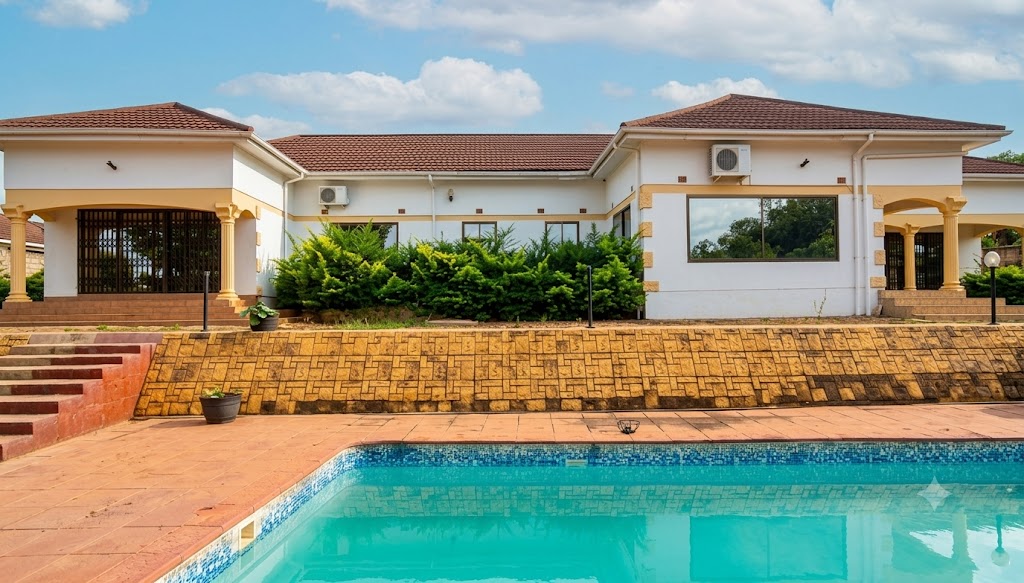
- This consideration follows the deterioration of properties, including a K690 million house formerly owned by Paul Mphwiyo.
- The house, located in Area 43, Lilongwe, was forfeited in March 2024 but is now dilapidated and deserted.
- The situation raises significant questions regarding the government's capacity for effective asset management.
- The inquiry aims to address systemic issues in asset forfeiture management and potentially lead to policy reforms.
What Prompted the Inquiry
The Malawi Parliament probes forfeited assets because the effective management of these properties is paramount for upholding the rule of law and demonstrating the tangible benefits of anti-corruption efforts.
Malawi's Parliament is currently deliberating the initiation of a public inquiry focused on the administration and divestment of assets that have been confiscated by the state. This parliamentary consideration stems from growing concerns over the condition of properties that have fallen into government hands, many of which have significantly deteriorated since their forfeiture. The state of these assets has prompted a closer look at the efficacy of current governmental processes.
A prominent example fueling this parliamentary discussion is the residence formerly owned by former budget director Paul Mphwiyo. This property, valued at K690 million, is located in Area 43, Lilongwe, and was officially forfeited to the State in March 2024. Despite its recent acquisition by the government, the house currently stands in a dilapidated condition and appears to be deserted, raising significant questions about the state's ability to manage such valuable assets effectively post-forfeiture.
Scrutiny of Asset Management
The proposed inquiry aims to thoroughly investigate the mechanisms currently in place for the management and subsequent disposal of assets that have been confiscated by the government. The observed decline in the condition of properties, such as the Paul Mphwiyo forfeited house, highlights a potential systemic issue within the framework designed for Malawi asset forfeiture management. This situation suggests that the state's capacity to properly safeguard and utilize these recovered resources might be inadequate.
The deterioration of valuable properties, even after they are legally transferred to state ownership, underscores a critical gap in the Malawi government asset disposal strategy. Such instances not only represent a loss of potential public value but also erode confidence in the government's ability to handle complex financial and property matters. The inquiry seeks to identify the root causes of these failures and propose viable solutions to prevent future occurrences.
The Broader Implications of Neglect
The current state of the Area 43 Lilongwe forfeited property, among others, serves as a stark illustration of the challenges faced in the post-forfeiture phase. When assets meant to benefit the public good are allowed to fall into disrepair, it directly impacts their market value and the potential revenue they could generate for the state. This neglect raises fundamental questions about the overall effectiveness of Malawi's asset recovery efforts if the recovered assets cannot be maintained or disposed of efficiently.
A public inquiry into these matters is crucial for ensuring accountability and transparency in the handling of confiscated wealth. The findings could shed light on operational deficiencies, resource constraints, or policy gaps that contribute to the poor management of these assets. Addressing these issues is vital for strengthening the integrity of the asset forfeiture process and maximizing the benefits derived from such recoveries for the Malawian populace.
Why This Inquiry Matters
The Malawi Parliament probes forfeited assets because the effective management of these properties is paramount for upholding the rule of law and demonstrating the tangible benefits of anti-corruption efforts. If assets like the K690 million house in Area 43, Lilongwe, are allowed to deteriorate, it undermines the very purpose of asset forfeiture, which is to recover illicit gains and repurpose them for public welfare.
This inquiry holds significant implications for future policy reforms concerning asset recovery and disposal in Malawi. Lawyers advising clients on asset forfeiture risks will need to consider the state's demonstrated capacity for proper management and disposal, which directly impacts the value of any forfeited assets. The outcomes of this parliamentary review could lead to revised legal frameworks and operational guidelines, ensuring that confiscated properties are handled with greater efficiency, transparency, and ultimately, for the maximum benefit of the Malawian public.
Practical Implications
Lawyers should advise clients on the risks associated with asset forfeiture in Malawi, particularly regarding the state's capacity for proper management and disposal, which could impact asset value. This inquiry may lead to policy reforms affecting future asset recovery and forfeiture proceedings.
Source
How does this affect you?
Get an AI analysis of this article grounded in your jurisdictions, practice areas, and any policy documents you've uploaded to Wansom.
Finish Reading the Full Story and the Expert Analysis.
Get the latest legal & regulatory intelligence in Malawi
Wansom is AI and can make mistakes.