
Malawi Parliament: Demands Full Financial Independence
Summary
- Malawi's Members of Parliament are demanding complete financial independence from the Executive branch.
- They seek full autonomy over Parliament's budget and a significant increase in its national budget allocation.
- The demand, articulated by Gift Nankhuni, aims to enable Parliament to properly fulfill its duties.
- Legislators believe current financial dependence undermines the separation of powers and their oversight role.
Legislative Push for Autonomy
A legislature that relies heavily on the Executive for its operational budget can face inherent challenges in holding the government accountable.
Malawi's legislative body has initiated a significant movement to secure greater fiscal independence from the Executive branch. Members of Parliament are advocating for comprehensive control over their financial resources, a development aimed at bolstering the institution's capacity to fulfill its constitutional mandate. This concerted effort includes a demand for complete Malawi parliamentary budget autonomy, ensuring that the legislative arm manages its own financial affairs without external influence.
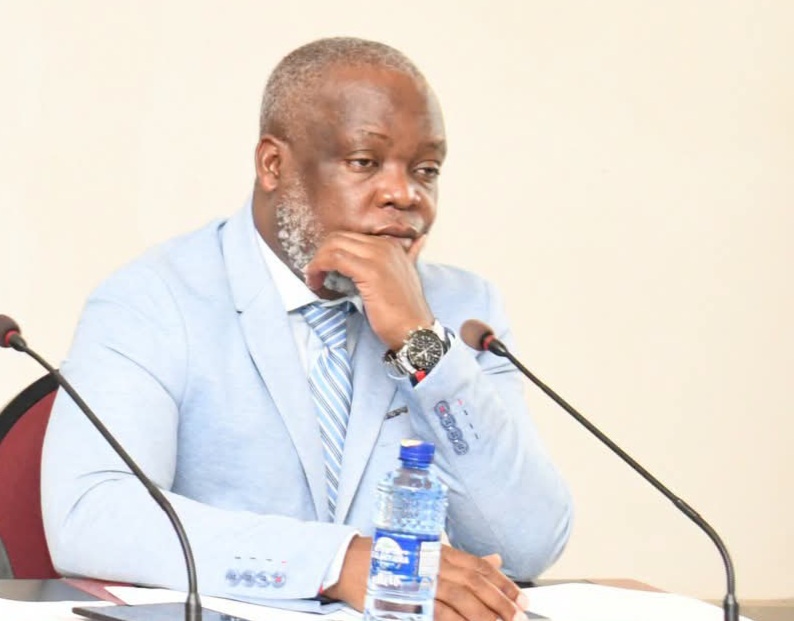
The call for Malawi Parliament financial independence was articulated by Gift Nankhuni, who serves as the Vice Chairperson of the Legal Affairs Committee. Speaking at Parliament on a recent Tuesday, Nankhuni underscored the necessity for the legislative body to operate without financial constraints imposed by the Executive. Beyond seeking full budgetary control, the MPs are also pressing for a substantial increase in the proportion of the national budget allocated to Parliament, arguing that current funding levels impede their ability to perform their duties effectively. This dual demand highlights a strategic push for both greater financial allocation and sovereign management of those funds.
Context of the Demand and Constitutional Implications
The underlying sentiment driving this legislative initiative was encapsulated in the powerful declaration, "Give us freedom from fear," voiced during the parliamentary session. This statement reflects a broader concern regarding the current financial relationship between the Executive and legislative branches, suggesting that financial dependence may compromise Parliament's oversight capabilities. The existing system, where Malawi Executive Parliament funding is determined and controlled by the Executive, is perceived by some as undermining the fundamental principles of Malawi constitutional separation powers.
A legislature that relies heavily on the Executive for its operational budget can face inherent challenges in holding the government accountable. The push for Malawi legislative financial control is therefore not merely about increased funding, but about strengthening the institutional checks and balances vital for a functioning democracy. This demand signals a potential shift towards more robust Malawi public finance reform, where the allocation and management of state resources are subject to enhanced parliamentary scrutiny and independent decision-making. The current structure, according to proponents of the change, creates an environment where Parliament's ability to scrutinize and challenge executive decisions might be inadvertently curtailed by financial apprehension.
Broader Significance for Governance
The ongoing Gift Nankhuni Parliament demand for financial autonomy represents a pivotal moment for governance in Malawi. Should these demands be met, it would fundamentally alter the power dynamics between the Executive and legislative branches, fostering a more independent and assertive Parliament. This move is crucial for enhancing democratic accountability, as a financially self-sufficient legislature is better positioned to conduct thorough oversight, scrutinize government spending, and legislate without undue influence.
Achieving true Malawi Parliament financial independence would empower MPs to allocate resources according to their legislative priorities and operational needs, rather than being beholden to the Executive's budgetary decisions. This reform could lead to a more effective and efficient Parliament, capable of robustly representing the interests of its constituents and holding the government to account. The outcome of this push will likely set a precedent for future discussions on institutional independence and the distribution of power within Malawi's governmental structure.
Practical Implications
This push for parliamentary financial autonomy in Malawi indicates potential future legislative reforms concerning public finance and the separation of powers. Lawyers advising government entities, constitutional matters, or public procurement should monitor developments for changes in budgetary processes or governmental oversight.
Source
How does this affect you?
Get an AI analysis of this article grounded in your jurisdictions, practice areas, and any policy documents you've uploaded to Wansom.
Finish Reading the Full Story and the Expert Analysis.
Get the latest legal & regulatory intelligence in Malawi
Wansom is AI and can make mistakes.