
Malawi Parliament: Chichewa Language Debate on Official Status
Summary
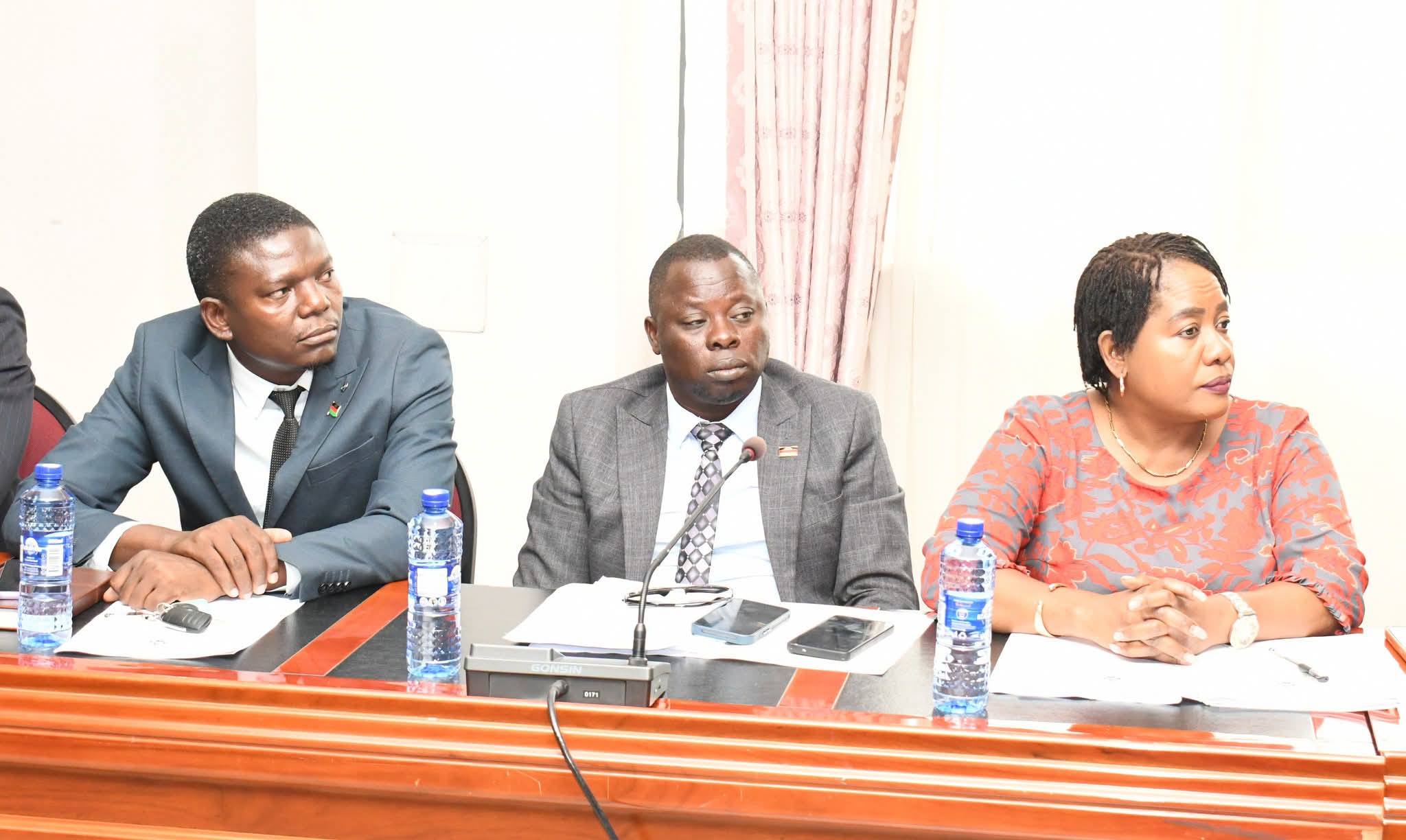
- Malawi's Parliamentary Committee on Legal Affairs recently questioned officials from the Office of the Clerk of Parliament.
- The discussions centered on a proposal to increase the use of Chichewa and other local languages in the National Assembly.
- The high-level engagement took place at the Parliament Building in Lilongwe.
- This initiative could significantly alter the linguistic landscape of legislative proceedings in Malawi.
- The debate has implications for legislative drafting, public consultations, and legal interpretation.
Parliamentary Scrutiny Over Language Policy
For legal professionals and compliance officers in Malawi, this development is critical.
Malawi's Parliamentary Committee on Legal Affairs recently engaged in a high-level session, questioning senior officials from the Office of the Clerk of Parliament. This significant meeting, held within the Parliament Building in Lilongwe, focused on a pivotal proposal concerning the increased integration of local languages, particularly Chichewa, into the proceedings of the National Assembly.
The Members of Parliament on the committee pressed the officials regarding the practicalities and implications of this initiative. The discussions centered on a bold proposition that could see Chichewa, alongside other indigenous tongues, assume a more central role in parliamentary discourse and legislative processes, marking a potential shift in the linguistic landscape of the legislative body.
Legal and Legislative Context
The involvement of the Parliamentary Committee on Legal Affairs Malawi underscores the profound legal and constitutional implications of such a language policy shift. While Chichewa holds significant cultural and demographic prominence in Malawi, its formal status within the Malawi National Assembly local languages framework has been a subject of ongoing discussion. This current debate signals a serious consideration of elevating its use beyond informal interactions.
Any move to establish Chichewa as an official parliamentary language in Malawi would necessitate a constitutional amendment, as ruled by the Minister of Justice, in addition to careful consideration of existing statutes and parliamentary rules. The committee's role is crucial in scrutinizing how such a change would be implemented, ensuring it aligns with legal frameworks and facilitates, rather than hinders, the legislative process. This engagement reflects a broader national conversation about language policy Parliament and its impact on governance and public participation.
Why This Debate Matters
The ongoing Malawi Parliament Chichewa language debate carries substantial weight for various stakeholders, particularly within the legal and regulatory sectors. Should Chichewa and other local languages gain a more prominent role in parliamentary proceedings, it would inevitably influence the language of legislative drafting. This could lead to a requirement for laws to be drafted or officially translated into these languages, impacting their interpretation and application.
Furthermore, public consultations on proposed legislation, which are vital for democratic governance, could increasingly be conducted in local languages, demanding greater linguistic accessibility and potentially altering engagement strategies. For legal professionals and compliance officers in Malawi, this development is critical. It suggests a future where a deeper proficiency in Chichewa, or reliable access to expert translation services, may become increasingly essential for navigating legislative changes, understanding legal texts, and advising clients effectively.
Practical Implications
Lawyers and compliance officers in Malawi should monitor this parliamentary debate as increased use of Chichewa in official proceedings could impact the language of legislative drafting, public consultations, and the interpretation of laws, potentially requiring greater linguistic proficiency or translation services for legal practice.
Source
How does this affect you?
Get an AI analysis of this article grounded in your jurisdictions, practice areas, and any policy documents you've uploaded to Wansom.
Finish Reading the Full Story and the Expert Analysis.
Get the latest legal & regulatory intelligence in Malawi
Wansom is AI and can make mistakes.