
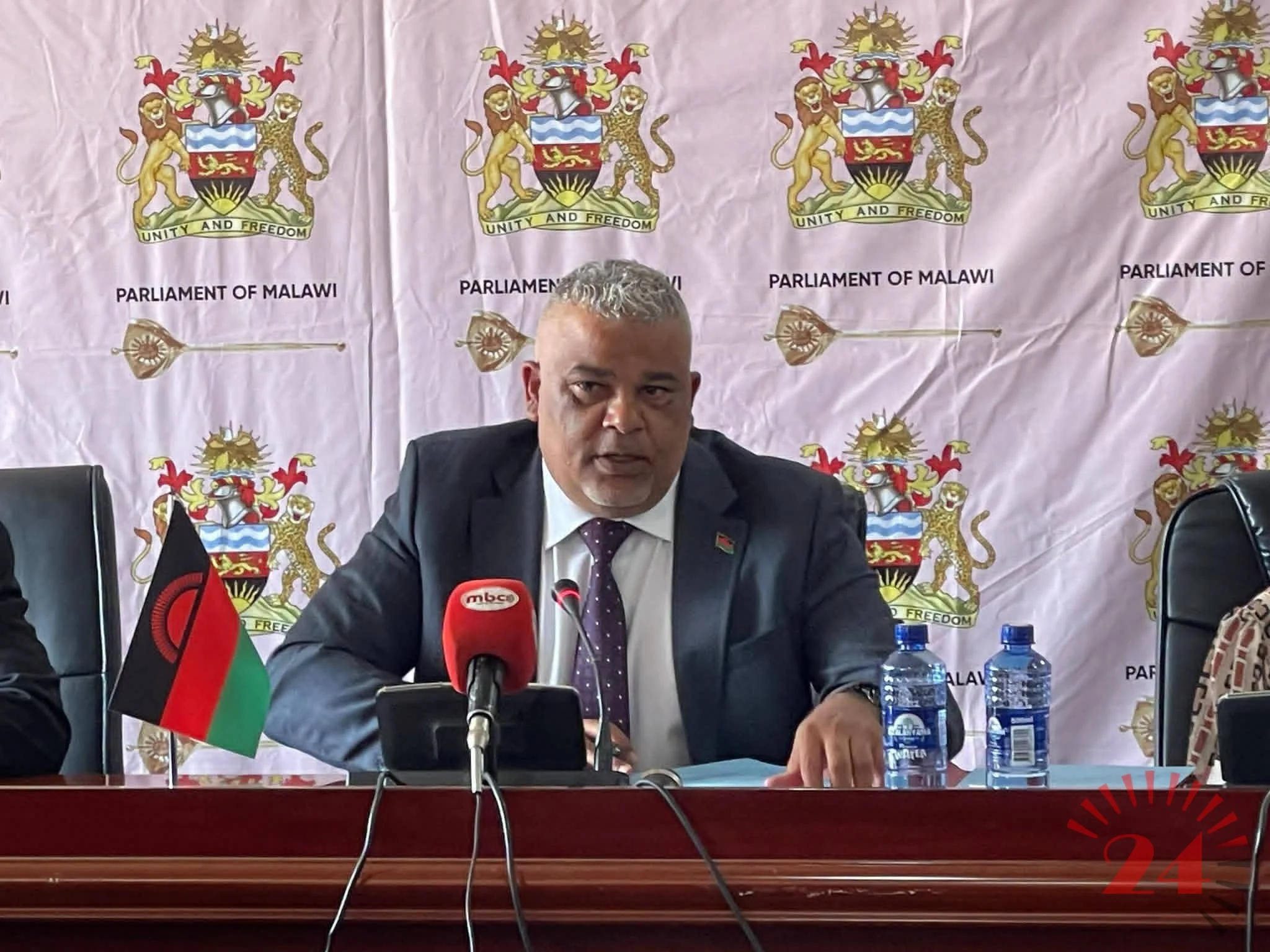
Malawi PAC: Backs Suleman Oversight for Stronger Parliamentary Committees
Summary
- Malawi's Speaker of Parliament, Sameer Suleman, is advocating for the creation of non-partisan parliamentary committees to investigate public concerns.
- The Public Accounts Committee (PAC) and other political figures are backing Speaker Suleman's initiative for stronger parliamentary oversight.
- The ruling Democratic Progressive Party (DPP) is opposing the Speaker's push, facing mounting pressure over its stance.
- The proposed committees aim to enhance parliamentary scrutiny and accountability within Malawi's governance structure.
Parliamentary Oversight Gains Momentum in Malawi
This development signals a potential increase in parliamentary scrutiny over public bodies and government operations in Malawi.
Malawi's parliamentary landscape is witnessing a significant push for enhanced accountability, spearheaded by Speaker of Parliament, Sameer Suleman. This initiative centers on the establishment of non-partisan parliamentary committees, designed specifically to delve into public concerns regarding the operation and management of various public entities. The Speaker's vision aims to fortify the legislative branch's capacity to scrutinize government activities, ensuring greater transparency and responsiveness to citizen issues.
Crucially, the Public Accounts Committee (PAC) in Malawi has publicly declared its support for Speaker Suleman's efforts. This endorsement from a key oversight body lends considerable weight to the proposal, signaling a collective desire within parliamentary circles for more robust checks and balances. The PAC's backing is not isolated; reports indicate that a broader coalition of organizations and political figures are also aligning with the Speaker's agenda, amplifying the call for stronger parliamentary oversight.
The proposed non-partisan committees represent a strategic move to depoliticize investigations into public grievances. By operating independently of party lines, these bodies are intended to conduct impartial inquiries, fostering public trust and ensuring that findings are driven by evidence rather than political affiliation. This development underscores a growing demand for improved governance and a more active role for Malawi's parliamentary committees in safeguarding public interest.
Ruling Party Faces Mounting Pressure
The Democratic Progressive Party (DPP), currently holding power as Malawi's ruling party, finds itself under increasing scrutiny as the movement for enhanced parliamentary oversight gains traction. The DPP has voiced opposition to Speaker Sameer Suleman's ambitious drive for stronger legislative checks, creating a clear divergence in approach to governmental accountability. This resistance from the ruling party highlights a fundamental tension between executive authority and legislative scrutiny within Malawi's political framework.
Pressure is steadily mounting on the DPP to reconsider its stance, as the Speaker's initiative garners support from influential parliamentary bodies like the Public Accounts Committee and various other political and civil society actors. The debate over the scope and strength of parliamentary oversight is central to Malawi's parliamentary governance, with proponents arguing that robust committees are essential for a healthy democracy and effective public administration. The current political climate suggests that the DPP's position may become increasingly untenable as the consensus for greater accountability solidifies across the political spectrum.
This dynamic sets the stage for a critical period in Malawi's political development, where the balance of power between the executive and legislative branches is being actively contested. The outcome of this push for stronger oversight, particularly concerning the formation and mandate of these new non-partisan committees, will significantly shape the future trajectory of governance and accountability mechanisms in the nation.
Implications for Malawi's Governance
The initiative to establish non-partisan parliamentary committees, strongly supported by the Malawi PAC, signifies a potential paradigm shift in how public concerns are addressed and how government operations are scrutinized. Such committees, if effectively implemented, could lead to a more proactive and thorough investigation of issues affecting the populace, thereby strengthening the overall framework of Malawi parliamentary governance. This move is particularly relevant for sectors dealing with public funds and services, as it implies a heightened level of legislative engagement and accountability.
The formation of these committees, with their mandate to investigate public concerns, could significantly impact entities operating within or interacting with the Malawian public sector. Enhanced oversight means that public bodies and their dealings will likely face more rigorous examination, potentially leading to increased transparency and a reduction in malfeasance. For businesses and organizations, this could translate into a need for stricter adherence to regulatory frameworks and a greater emphasis on ethical conduct in their engagements with government agencies.
Ultimately, the success of Speaker Suleman's vision, backed by the Public Accounts Committee Malawi and other stakeholders, hinges on the actual implementation and empowerment of these new oversight bodies. Their ability to operate independently and conduct thorough investigations will be a critical test of Malawi's commitment to good governance and its capacity to respond effectively to the public's demand for accountability. This development signals a potential increase in parliamentary scrutiny over public bodies and government operations in Malawi.
Practical Implications
This development signals a potential increase in parliamentary scrutiny over public bodies and government operations in Malawi. Lawyers and compliance officers should monitor the formation and scope of these new non-partisan committees, as they could lead to enhanced investigations into public concerns, impacting clients involved in public sector dealings or subject to regulatory oversight.
Source
Source: Original reporting via Malawi24
How does this affect you?
Get an AI analysis of this article grounded in your jurisdictions, practice areas, and any policy documents you've uploaded to Wansom.
Finish Reading the Full Story and the Expert Analysis.
Wansom is AI and can make mistakes.