
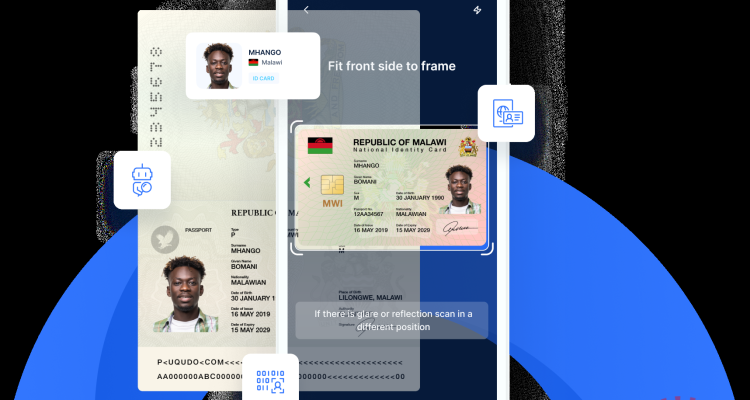
Malawi Government to Launch Nzika Digital ID Wallet for Citizens on September 16
Summary
Malawi will officially launch the Nzika Digital ID Wallet on September 16, 2026, enabling citizens to carry verified digital identity documents directly on their smartphones.
The initiative stems from a presidential order issued seven months ago by President Professor Arthur Peter Mutharika.
The new system is described as a "digital identity revolution" for the nation.
The Nzika Digital ID wallet is a long-awaited project aimed at modernizing identity management.
Malawi will officially launch the Nzika Digital ID Wallet on September 16, 2026, enabling citizens to carry verified digital identity documents directly on their smartphones. The National Registration Bureau will roll out the application nationwide immediately following the launch event in Lilongwe.
This modernization effort aims to streamline identity verification, save the government money, and accelerate commercial transactions.
The Implementation Timeline
The transition toward digital identity reflects a rapid governmental push for modernization. Business owners and compliance professionals operating in Malawi must note this precise implementation timeline:
February 13, 2026: President Arthur Peter Mutharika ordered the implementation of a digital identity wallet to modernize state services.
September 16, 2026: The Ministry of Homeland Security officially unveils the application at the Bingu International Convention Centre.
Immediate Rollout: Citizens existing in the national ID database can immediately onboard the application upon launch.
Presidential Vision for a Digital Future
The impetus behind the creation of the Nzika Digital ID wallet stems directly from a presidential mandate issued seven months prior. President Professor Arthur Peter Mutharika had specifically instructed officials to modernize the nation's identity infrastructure, pushing for its integration into the digital age. This directive set in motion the comprehensive effort to develop what is now emerging as a cornerstone of Malawi's digital transformation agenda.
President Mutharika's vision for an Arthur Peter Mutharika digital ID system aimed to propel Malawi forward, aligning its administrative and civic processes with global digital trends. The upcoming Nzika ID wallet implementation is a direct response to this high-level directive, reflecting a strategic commitment to leveraging technology for national development. This top-down approach highlights the government's dedication to establishing a robust Malawi digital identity system that can support future growth and innovation.
Ushering in a Digital Identity Revolution
The impending launch of the Nzika Digital ID wallet is being heralded as nothing short of a "digital identity revolution" for Malawi. This characterization underscores the profound impact expected from the new system, which is designed to fundamentally alter the landscape of personal identification and verification across the country. The long-awaited nature of this project suggests a widespread recognition of the need for such a modern solution to address existing challenges in identity management.
The Malawi e-identity project is anticipated to bring about significant changes in how individuals prove their identity for various purposes, from accessing public services to engaging in private sector transactions. This comprehensive Malawi national digital ID initiative is expected to enhance security, reduce fraud, and improve the overall efficiency of identity-related processes. Its implementation is seen as a crucial step towards fostering a more inclusive and digitally-enabled society, providing citizens with a secure and convenient method for identity authentication.
Legal and Compliance Considerations for the New System
The introduction of the Nzika Wallet transforms how private sector entities verify identities. Commercial banks, mobile network operators, and private employers will soon process customer identities digitally. This integration supports accurate tracking of transactions, enabling better compliance with Know Your Customer and anti-money laundering regulations.
The Technology: The application utilizes strict password protection and biometric checks to prevent fraudulent access.
The Validity: Digital IDs do not require periodic renewals or expire like traditional physical cards.
The Parallel System: The digital wallet acts as a supplement, meaning physical national identification cards remain completely valid.
Source
How does this affect you?
Get an AI analysis of this article grounded in your jurisdictions, practice areas, and any policy documents you've uploaded to Wansom.
Finish Reading the Full Story and the Expert Analysis.
Wansom is AI and can make mistakes.