
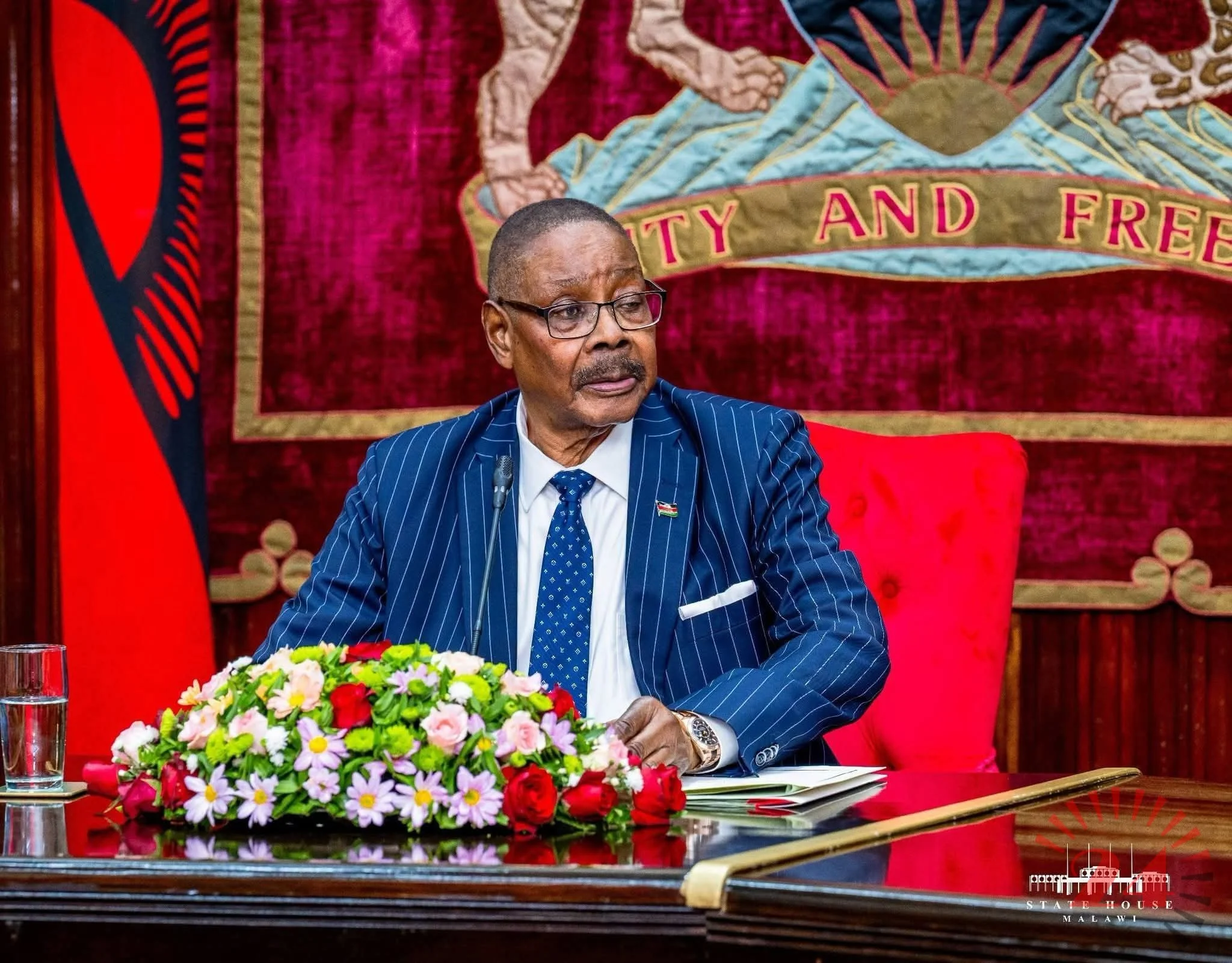
Malawi: Civil Society Demands Mutharika Private Trips Funding Clarity
Summary
- Questions have arisen concerning the funding of President Arthur Peter Mutharika's five private visits to South Africa.
- These trips have cumulatively kept President Mutharika abroad for over 72 days.
- Civil society organizations are demanding that the Malawian government explain the source of funding for these presidential trips.
- The inquiry into President Mutharika's travel expenses comes as Malawian households face a rising cost of living.
The Controversy Unfolds
The manner in which the Malawian government addresses the civil society's demands for information regarding President Mutharika's private trips funding Malawi will be closely watched.
Malawi's political landscape is currently marked by growing scrutiny over the travel habits of President Arthur Peter Mutharika. Concerns have been raised regarding the financing of five distinct private visits undertaken by the President to South Africa. These trips have collectively accounted for more than 72 days spent outside the country, drawing attention from various sectors of Malawian society.
The emergence of these questions comes at a sensitive time for the nation. Malawian households are contending with a persistent rise in the cost of living, creating an environment where public expenditure, particularly on presidential travel, is subject to intense public interest and debate. This economic backdrop amplifies the calls for transparency regarding the use of resources for such journeys.
Civil society organizations have taken a leading role in demanding clarity on this matter. They have publicly called upon the government to provide a comprehensive explanation regarding the funding sources for these specific trips. The central query revolves around whether public funds were utilized to cover the expenses associated with President Mutharika's private excursions to South Africa.
Calls for Accountability
The demands from civil society groups underscore a fundamental expectation for governmental transparency and accountability, particularly concerning the use of public resources. Their direct appeal to the government to clarify the financial arrangements for President Arthur Peter Mutharika's South Africa visits highlights a broader concern about presidential travel expenses and the mechanisms in place for their oversight. The focus is squarely on ensuring that any expenditure, especially for private engagements, aligns with established financial protocols and public trust.
This situation presents a critical juncture for public finance accountability in Malawi. Should the government's response to these inquiries be deemed insufficient or evasive, it could potentially pave the way for legal challenges. Such challenges would likely center on constitutional or administrative law principles governing the transparent and responsible use of state funds, particularly in relation to the President's travel expenses. The outcome of this scrutiny could therefore have significant ramifications for how future executive spending is managed and disclosed.
Broader Implications for Governance
The manner in which the Malawian government addresses the civil society's demands for information regarding President Mutharika's private trips funding Malawi will be closely watched. A transparent and comprehensive explanation could reinforce public confidence in governmental processes and demonstrate a commitment to fiscal responsibility. Conversely, any perceived lack of openness could erode trust and fuel further demands for greater oversight of presidential expenditure.
This episode holds the potential to establish important precedents for the accountability of presidential travel expenses and other executive outlays. The ongoing public discourse, driven by civil society, serves as a vital mechanism for ensuring that the government remains answerable to its citizens, especially when the nation faces economic hardships. The resolution of this matter will undoubtedly influence future expectations for transparency in Malawi presidential trips accountability.
Practical Implications
Lawyers should monitor government responses to civil society demands regarding presidential expenditure, as this could lead to legal challenges concerning public finance accountability and transparency under Malawian constitutional or administrative law. This could set precedents for oversight of executive spending.
Source
Source: Original reporting via Malawi24
How does this affect you?
Get an AI analysis of this article grounded in your jurisdictions, practice areas, and any policy documents you've uploaded to Wansom.
Finish Reading the Full Story and the Expert Analysis.
Wansom is AI and can make mistakes.