
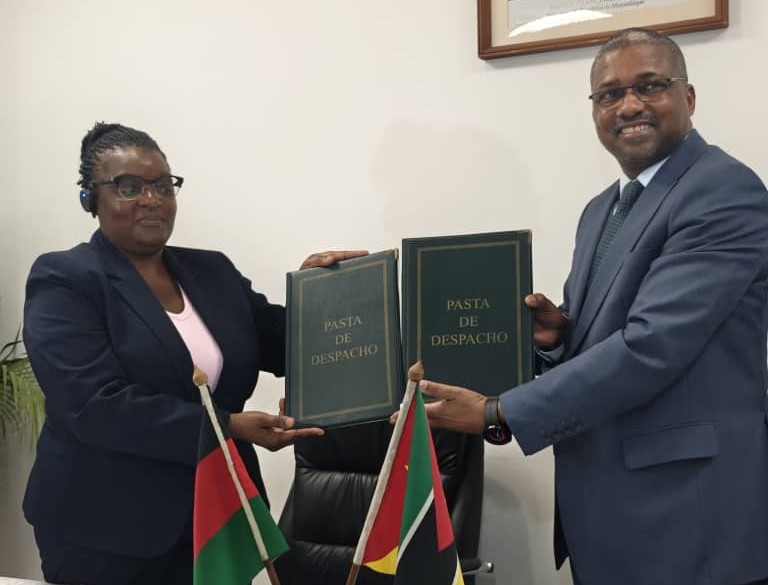
Malawi, Mozambique: Agricultural Trade MoU Signed to Boost Flow
Summary
- Malawi and Mozambique signed a Memorandum of Understanding in Tete to streamline agricultural trade.
- The agreement aims to harmonize procedures for certifying and inspecting agricultural products.
- This initiative is expected to reduce delays and costs in cross-border agricultural trade.
- The MoU focuses on joint action regarding sanitary and phytosanitary (SPS) measures to protect health.
- Harmonization of SPS measures will simplify compliance for exporters and importers in both nations.
New Agreement to Streamline Cross-Border Trade
By aligning their respective SPS protocols, the two countries aim to ensure that agricultural products traded across their borders meet consistent health and safety requirements.
Malawi and Mozambique have formally entered into a new Memorandum of Understanding (MoU) aimed at significantly improving the flow of agricultural goods across their shared border. The agreement, signed on a recent Wednesday in Tete, Mozambique, establishes a foundational framework designed to standardize the processes involved in the certification and inspection of various agricultural products moving between the two nations.
This bilateral initiative directly addresses long-standing challenges associated with cross-border agricultural trade, particularly the delays and increased operational costs faced by businesses. By creating a unified approach to product verification, the MoU seeks to alleviate these burdens, fostering a more efficient and economically viable trade environment for both Malawian and Mozambican agricultural sectors. The focus is on creating predictability and reducing friction points that have historically hindered trade.
Harmonizing Sanitary and Phytosanitary Measures
At the core of this newly inked agreement is the commitment to harmonize sanitary and phytosanitary (SPS) measures. These measures are critical regulatory tools implemented by governments to safeguard human, animal, and plant health from risks such as pests, diseases, and contaminants. The MoU provides a structured mechanism for Malawi and Mozambique to undertake joint actions in applying these health and safety standards.
By aligning their respective SPS protocols, the two countries aim to ensure that agricultural products traded across their borders meet consistent health and safety requirements. This harmonization is expected to simplify the compliance process for exporters and importers, as they will no longer need to navigate potentially disparate or conflicting regulations in each country. The Tete MoU trade facilitation efforts are specifically geared towards making agricultural product certification Mozambique and Malawi more interoperable.
Economic Impact and Trade Facilitation
The implications of this Malawi Mozambique agricultural trade MoU are substantial for the regional economy, particularly for businesses involved in the import and export of agricultural commodities. The primary benefit is the anticipated reduction in cross-border agricultural trade delays Malawi and Mozambique have experienced, which often lead to spoilage of perishable goods and increased logistical expenses. With harmonized procedures, goods are expected to clear customs and inspection points more rapidly.
Furthermore, the agreement is projected to lower the overall costs associated with trade. This includes not only direct costs related to delays but also indirect costs stemming from complex and redundant certification processes. The sanitary phytosanitary agreement Malawi has entered into with Mozambique is a strategic step towards enhancing regional trade integration and ensuring that agricultural products can move freely and safely, ultimately benefiting producers, traders, and consumers in both countries.
Practical Implications
Lawyers advising agricultural exporters and importers operating between Malawi and Mozambique must review the details of this new Memorandum of Understanding to understand the harmonized sanitary and phytosanitary measures, ensuring client compliance and capitalizing on reduced trade delays and costs.
Source
How does this affect you?
Get an AI analysis of this article grounded in your jurisdictions, practice areas, and any policy documents you've uploaded to Wansom.
Finish Reading the Full Story and the Expert Analysis.
Get the latest legal & regulatory intelligence in Malawi
Wansom is AI and can make mistakes.