
Malawi Ministry, Tamie Investments: Coal Offloading Stalls Amid Dispute
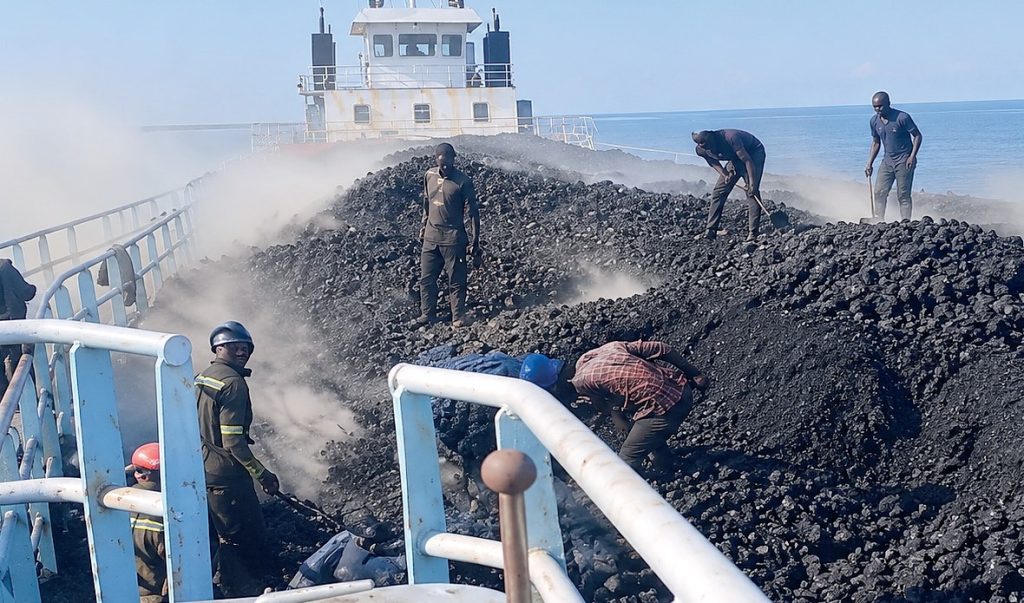
A vessel carrying coal from Tanzania, MV Njombe, has been stranded at Chipoka Port in Salima, Malawi, for three weeks since its arrival on July 12, 2026, due to an offloading dispute between Malawi's Ministry of Transport and Public Works and Tamie Investments.
This incident highlights significant challenges in cross-border trade and logistics within the Southern African region, particularly concerning port operations and contractual agreements involving government entities. The prolonged delay in offloading not only impacts the immediate supply chain for coal but also raises questions about the efficiency of port infrastructure, the clarity of regulatory frameworks, and the mechanisms for dispute resolution in public-private partnerships. Such disputes can deter foreign investment and disrupt essential commodity flows, affecting energy security and economic stability.
The legal context for this dispute likely involves a complex interplay of Malawian contract law, administrative law governing the Ministry's actions, and potentially international trade agreements or maritime law principles if the vessel's operations are at issue. The requirement for security bonds in government contracts is a common feature, designed to mitigate risks for public projects. The specific statutes or regulations governing port operations at Chipoka and the terms of the agreement between the Ministry and Tamie Investments would be central to any legal analysis. The outcome of this matter is not yet reported.
The key parties involved are the Malawian Ministry of Transport and Public Works, Tamie Investments, and the Tanzanian-registered vessel MV Njombe. The dispute's resolution will likely involve negotiations, and potentially arbitration or litigation, depending on the contractual terms. The incident also implicitly involves the port authorities at Chipoka and potentially other regulatory bodies overseeing imports and trade.
Practitioners should closely monitor the resolution of this dispute, as it could set precedents for future government contracts, port operations, and cross-border trade agreements in Malawi. Attorneys advising businesses involved in logistics, import/export, or public works should review their clients' contractual agreements for robust dispute resolution clauses, force majeure provisions, and compliance with local regulatory requirements. Businesses should also assess their risk exposure to potential delays and regulatory hurdles in Malawian ports.
How does this affect you?
Get an AI analysis of this article grounded in your jurisdictions, practice areas, and any policy documents you've uploaded to Wansom.
Finish Reading the Full Story and the Expert Analysis.
Get the latest legal & regulatory intelligence in Malawi
Wansom is AI and can make mistakes.