
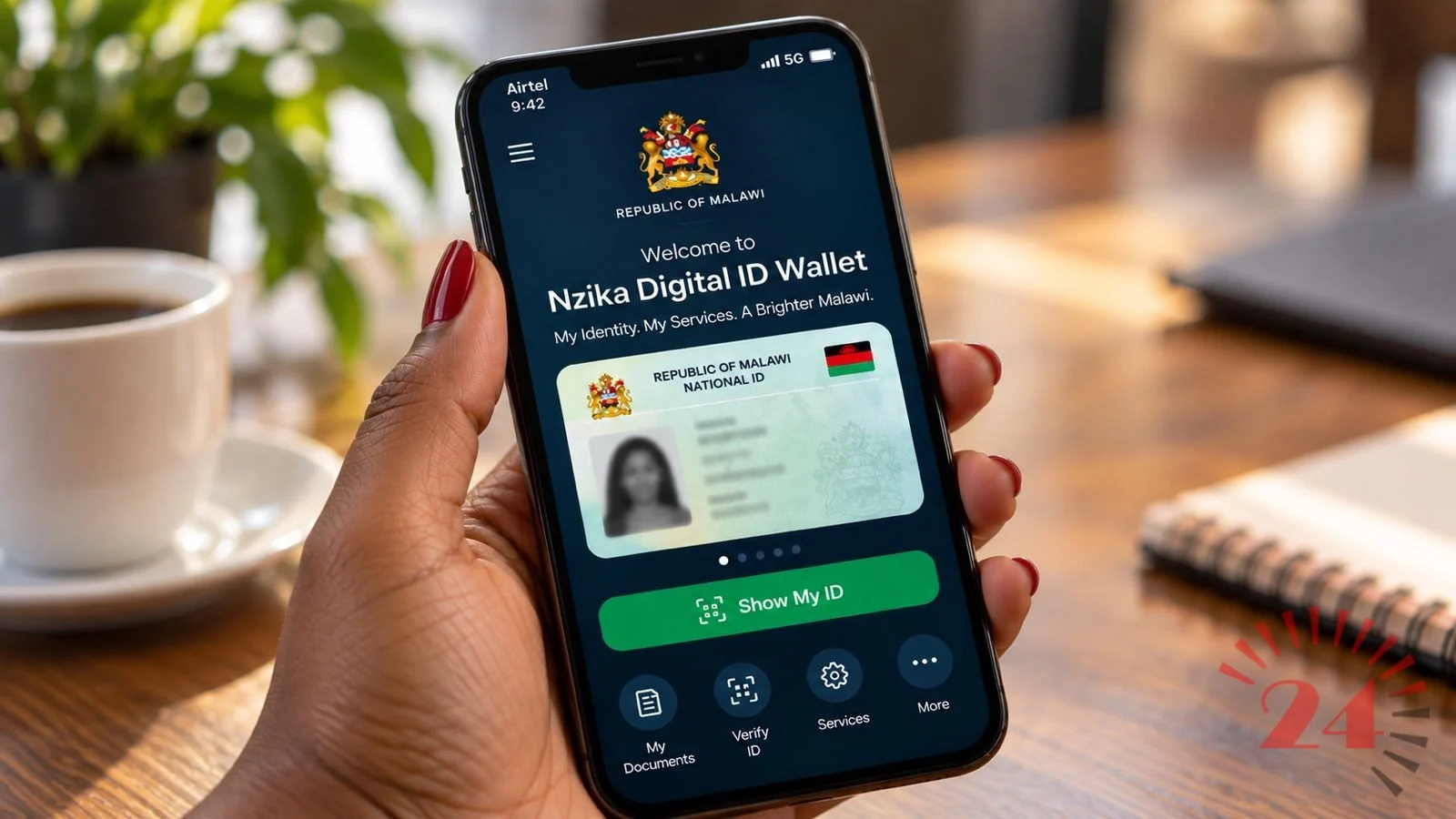
Malawi: Banks Reject Nzika Digital ID, Despite Government Assurances
Summary
- Malawi launched its Nzika Digital ID Wallet two months ago.
- The Malawian government confirms the digital ID has the same validity as the physical national ID card.
- Despite government assurances, some banks are rejecting the Nzika Digital ID Wallet.
- This rejection leaves customers without physical cards unable to complete banking transactions.
- Banks are still demanding plastic national ID cards for identity verification.
Unforeseen Obstacles for Digital Identity in Malawi
Compliance officers within Malawian banks are now faced with the urgent task of reviewing their internal identity verification policies and staff training to ensure the Nzika Digital ID Wallet is accepted as valid.
The introduction of Malawi's Nzika Digital ID Wallet, launched just two months ago with considerable fanfare, has encountered an unexpected hurdle within the nation's financial sector. Despite explicit assurances from the Malawian government regarding its official standing, several banking institutions are reportedly declining to accept this digital form of identification. This widespread Malawi Nzika digital ID bank rejection is creating significant inconvenience for citizens who rely on the digital wallet as their primary proof of identity, particularly when they do not possess their physical national ID card.
This situation highlights a disconnect between governmental policy and its implementation at the operational level within financial institutions. The digital ID was envisioned as a modern, accessible alternative to traditional identification methods, aiming to streamline various processes. However, the current stance of some banks, which continue to demand the physical plastic cards, undermines the very purpose of the digital initiative and leaves many customers in a precarious position when attempting to conduct essential banking transactions.
Government's Clear Mandate on Nzika Digital ID Wallet Validity
The Malawian government has unequivocally stated that the Nzika Digital ID Wallet possesses the identical legal validity and official recognition as its physical counterpart, the national ID card. This declaration was a cornerstone of the digital wallet's launch, intended to instill confidence in its acceptance across all sectors, including financial services. The government's position is that the digital wallet should be treated as an equally legitimate form of identification, ensuring that citizens can use it interchangeably with the plastic card for all official purposes.
This clear directive from the authorities underscores the expectation that all entities, including banks, should integrate the Nzika Digital ID Wallet into their identity verification protocols. The intention behind this policy is to enhance accessibility and convenience for the populace, leveraging digital technology to simplify interactions requiring proof of identity. The current resistance from certain financial institutions directly contradicts this governmental assurance regarding the Malawi national ID digital acceptance.
Compliance Challenges and Customer Impact
The ongoing refusal by some banks to acknowledge the Nzika Digital ID Wallet as a valid form of identification presents significant compliance challenges for these financial institutions. Given the government's explicit statements on the digital ID's equivalence to the physical card, banks that insist on plastic cards risk operating outside the spirit, if not the letter, of national identity verification laws. Compliance officers within Malawian banks are now faced with the urgent task of reviewing their internal identity verification policies and staff training to ensure the Nzika Digital ID Wallet is accepted as valid. This alignment with government assurances is crucial for mitigating legal and regulatory risks associated with non-compliance or potential customer discrimination.
For customers, the impact is immediate and often disruptive. Individuals who have embraced the digital wallet, perhaps due to convenience or because they lack their physical card, find themselves unable to complete basic banking services. This creates a barrier to financial inclusion and negates the benefits promised by the digital transformation initiative. The discrepancy between government policy and bank practice leaves citizens stranded, unable to access services that should be readily available with their officially recognized digital identification.
Practical Implications
Compliance officers in Malawian banks must urgently review internal identity verification policies and staff training to ensure the Nzika Digital ID Wallet is accepted as valid, aligning with government assurances and mitigating legal and regulatory risks associated with non-compliance or customer discrimination.
Source
Source: Original reporting via Malawi24
How does this affect you?
Get an AI analysis of this article grounded in your jurisdictions, practice areas, and any policy documents you've uploaded to Wansom.
Finish Reading the Full Story and the Expert Analysis.
Get the latest legal & regulatory intelligence in Malawi
Wansom is AI and can make mistakes.