
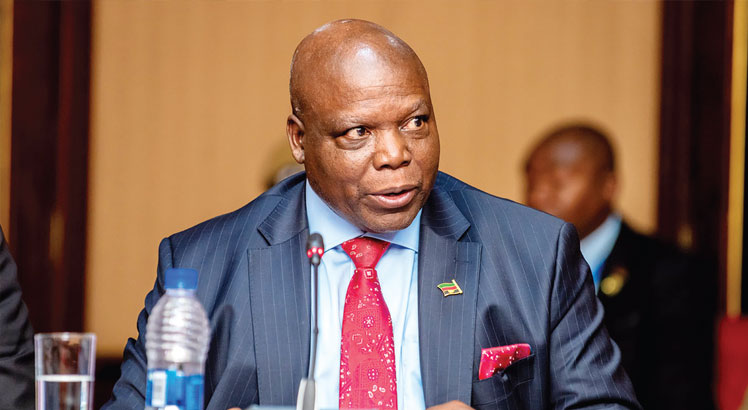
Malawi: Justin Saidi, Chipungu Contempt Case Dropped
Summary
- The Malawi Congress Party and three legislators have dropped their contempt of court case against Chief Secretary Justin Saidi and Cabinet Minister Chimwemwe Chipungu.
- This decision means Saidi and Chipungu are no longer facing these specific legal charges in Malawi.
- The contempt case was related to disputed rental payments for the Malawi Electoral Commission's office and warehouse premises in Lilongwe.
- The withdrawal concludes a high-profile legal challenge involving senior government officials and a major political party.
Case Dismissal Confirmed
The contempt of court proceedings initiated by the Malawi Congress Party (MCP) and three of its parliamentary representatives against Chief Secretary to the Government Justin Saidi and Cabinet Minister Chimwemwe Chipungu have been formally withdrawn.
The contempt of court proceedings initiated by the Malawi Congress Party (MCP) and three of its parliamentary representatives against Chief Secretary to the Government Justin Saidi and Cabinet Minister Chimwemwe Chipungu have been formally withdrawn. This development effectively concludes the high-profile legal challenge, removing the immediate threat of contempt findings against the two senior government officials.
The decision by the plaintiffs to drop the case means that Mr. Saidi and Minister Chipungu are no longer subject to these particular legal accusations. The action by the Malawi Congress Party and its legislators brings an end to a significant legal entanglement that had drawn attention due to the involvement of prominent government figures.
This resolution marks a notable moment in the legal landscape concerning government accountability in Malawi, as a major political party opted to discontinue its pursuit of contempt charges against high-ranking state officials. The case had been closely watched for its potential implications for the conduct of public office.
Roots of the Contempt Claim
At the heart of the now-dropped contempt case was a dispute concerning rental payments for the Malawi Electoral Commission (MEC). Specifically, the allegations of contempt stemmed from issues related to the financial arrangements for the MEC's office and warehouse facilities located in Lilongwe. This underlying disagreement over the MEC office payments Lilongwe premises formed the basis upon which the Malawi Congress Party and its three legislators had sought to hold Saidi and Chipungu accountable through contempt proceedings.
The contentious nature of the Malawi Electoral Commission rental dispute had previously escalated to a point where a political party felt compelled to pursue legal action, alleging that certain actions or inactions by the Chief Secretary and the Cabinet Minister constituted a disregard for court orders. While the specific details of the alleged court order that was purportedly defied are not disclosed, the focus of the contempt claim was unequivocally tied to the management and payment of the electoral body's operational spaces.
The resolution of this particular legal battle, therefore, addresses a specific facet of the broader issues surrounding the administration and financial oversight of key state institutions like the Malawi Electoral Commission. The initial filing of the contempt case underscored the seriousness with which the plaintiffs viewed the handling of the MEC's rental obligations.
Legal Ramifications for Officials
The dropping of the Justin Saidi contempt case dropped Malawi means that both Chief Secretary Saidi and Minister Chimwemwe Chipungu are now legally 'off the hook' regarding these specific allegations. For senior government officials, facing contempt of court charges carries significant weight, as it implies a disregard for judicial authority and could potentially lead to severe penalties, including fines or even imprisonment. The withdrawal of the case thus spares them from the judicial scrutiny and potential adverse findings that such proceedings entail.
This outcome provides a clear conclusion to a legal matter that could have otherwise cast a shadow over their respective tenures and public standing. The decision by the Malawi Congress Party to discontinue the action effectively removes the immediate legal pressure on Saidi and Chipungu, allowing them to continue their official duties without the ongoing burden of defending against these particular contempt allegations. It highlights the power of plaintiffs to terminate legal proceedings, even in high-stakes cases involving prominent government figures.
Broader Political and Governance Context
The resolution of the Malawi Congress Party contempt case against Chief Secretary Justin Saidi and Minister Chimwemwe Chipungu carries broader implications for governance and political accountability in Malawi. The fact that a major opposition party initiated such a case against high-ranking government officials underscores the dynamic interplay between political oversight and legal recourse in the country. The withdrawal of the case, while bringing an end to this specific legal battle, also reflects on the strategies and outcomes of political challenges pursued through the judicial system.
This development may influence how future disputes involving state entities and senior government figures are approached, both by political parties seeking accountability and by the officials themselves. The initial filing of the case demonstrated a willingness by the MCP to use legal avenues to address perceived governmental misconduct related to the Malawi Electoral Commission rental dispute, while its subsequent withdrawal marks a shift in that particular strategy. The outcome provides a precedent for the conclusion of such high-profile cases involving senior government officials in Malawi.
Practical Implications
This development removes the immediate legal threat of contempt proceedings against Chief Secretary Saidi and Minister Chipungu, concluding a high-profile case related to the MEC rental dispute. Lawyers should note the resolution of such cases involving senior government officials and state entities when advising on similar matters in Malawi.
Source
How does this affect you?
Get an AI analysis of this article grounded in your jurisdictions, practice areas, and any policy documents you've uploaded to Wansom.
Wansom is AI and can make mistakes.