
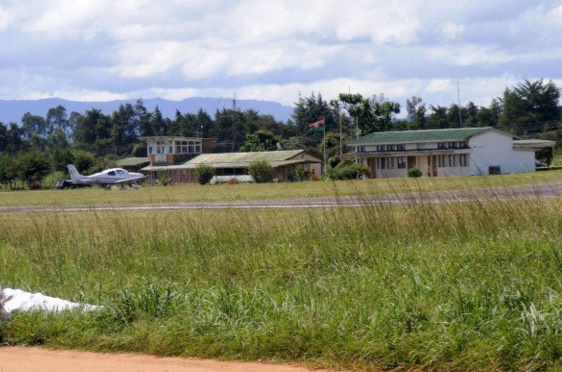
Malawi Inquiry: Mzuzu Airport Safety Gaps Linked to Chilima Crash
Summary
- Mzuzu Airport has operated for over ten years without functional air navigation equipment.
- The airport also lacks basic systems for recording radio communications.
- These critical safety deficiencies were disclosed during a parliamentary inquiry into aviation safety.
- The revelations raise significant questions regarding the airport's potential role in the fatal crash of former Vice-President Saulos Chilima.
Operational Deficiencies Uncovered
For more than a decade, the airport has reportedly operated without essential functional air navigation equipment, a critical component for safe aircraft guidance and control.
A parliamentary inquiry into aviation safety in Malawi has brought to light severe, long-standing operational deficiencies at Mzuzu Airport, prompting renewed scrutiny of its role in the tragic crash that claimed the life of former Vice-President Saulos Chilima. For more than a decade, the airport has reportedly operated without essential functional air navigation equipment, a critical component for safe aircraft guidance and control. This revelation underscores significant Mzuzu Airport safety gaps directly relevant to the Chilima crash investigation.
Further compounding these concerns, the inquiry was informed that Mzuzu Airport also lacks even basic systems designed to record radio communications between aircraft and air traffic control. Such recording capabilities are fundamental for incident analysis, operational oversight, and ensuring accountability within aviation operations. The absence of these foundational safety measures at a facility handling air traffic for over ten years represents a startling disclosure, raising profound questions about the airport's adherence to international and national aviation standards.
Regulatory Non-Compliance and Oversight Failures
The prolonged operation of Mzuzu Airport without functional air navigation equipment and radio communication recording systems points to a significant breach of aviation safety regulations and standards. Such infrastructure is universally recognized as indispensable for maintaining safe airspace and facilitating effective accident investigations. The disclosure during the Malawi aviation safety inquiry suggests a systemic failure in regulatory oversight, allowing a major airport to function for over ten years with critical safety components missing.
This situation implies potential liabilities for both aviation authorities responsible for regulatory compliance and the management overseeing Mzuzu Airport's operations. The parliamentary inquiry's findings highlight a critical regulatory non-compliance issue that could have far-reaching consequences for Malawi's aviation sector. Lawyers advising clients in aviation or public law should closely monitor the ongoing inquiry, as it may lead to new compliance requirements or expose significant litigation risks stemming from these long-standing deficiencies.
Broader Implications for Aviation Safety
The revelations from the Malawi parliamentary aviation report carry substantial weight for the broader landscape of aviation safety in the nation. The absence of fundamental safety infrastructure, such as reliable air navigation equipment and aircraft radio communication recording capabilities, at a facility like Mzuzu Airport for such an extended period erodes public confidence in the nation's air travel safety protocols. It also raises concerns about the oversight mechanisms intended to prevent such prolonged non-compliance.
Crucially, these findings add a new dimension to the ongoing Saulos Chilima crash investigation. The lack of recorded communications and functional navigation aids at Mzuzu Airport could significantly complicate efforts to fully understand the circumstances surrounding the fatal incident. The inquiry's work is therefore vital not only for addressing the specific deficiencies at Mzuzu Airport but also for prompting a comprehensive review of safety standards and enforcement across all Malawian aviation facilities, ensuring accountability and preventing future tragedies.
Practical Implications
This exposes critical regulatory non-compliance at a major Malawian airport, signaling potential liabilities for aviation authorities and airport management. Lawyers advising clients in aviation or public law should monitor the parliamentary inquiry for new compliance requirements or litigation risks.
Source
How does this affect you?
Get an AI analysis of this article grounded in your jurisdictions, practice areas, and any policy documents you've uploaded to Wansom.
Finish Reading the Full Expert Analysis.
Wansom is AI and can make mistakes.