
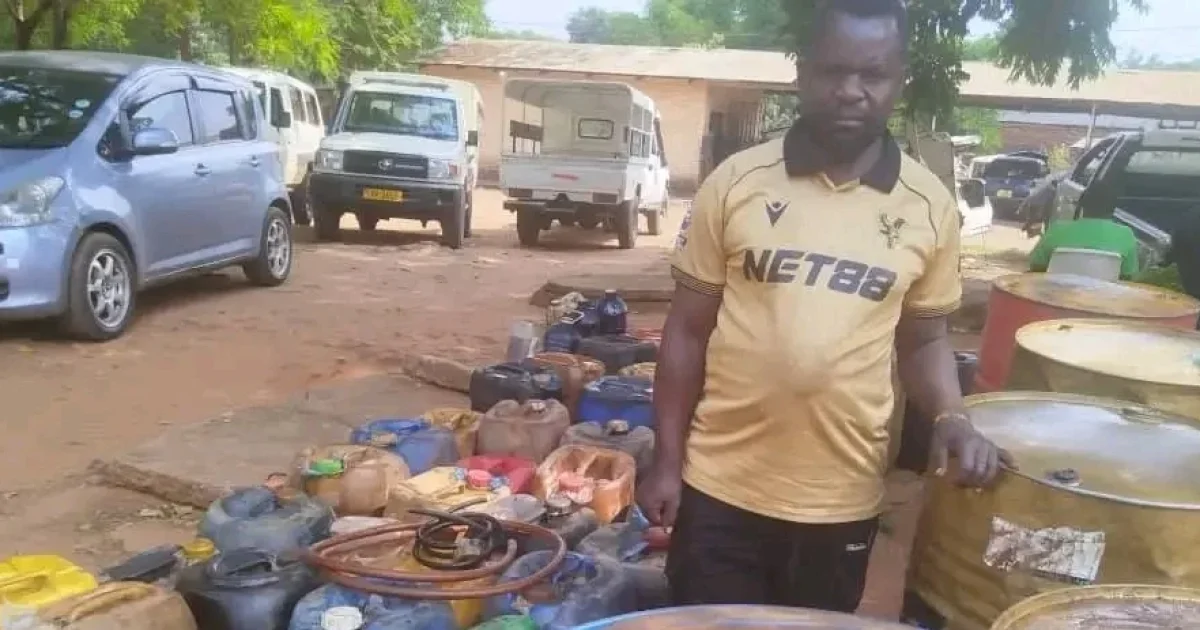
Malawi Judiciary: Andrew Convicted, K5.5M Illegal Fuel Seized
Summary
- Andrew was convicted in Malawi for illegally storing and selling petroleum products without MERA authorization.
- Authorities seized 600 litres of petrol and 375 litres of diesel, valued at K5.5 million, from his Chinsapo location.
- The confiscated fuel will be allocated to the Malawi Police Service and the Judiciary.
- This case highlights the enforcement of Malawi Energy Regulatory Authority regulations and asset forfeiture for public benefit.
Enforcement Action in Malawi's Energy Sector
The Malawi illegal fuel conviction of Andrew, coupled with the subsequent distribution of the seized fuel to key public services, reinforces the principle that illegal activities will not only be met with legal penalties but also result in the loss of illicit gains, which can then be effectively utilized for the public good.
Malawi's energy regulatory framework recently saw a significant enforcement action, culminating in the conviction of an individual for illicit petroleum product activities. Andrew, a resident of Chinsapo, was found guilty of illegally storing and selling fuel without the necessary authorization from the Malawi Energy Regulatory Authority (MERA). This conviction underscores the authorities' commitment to upholding strict controls over the distribution and sale of petroleum within the nation, emphasizing the importance of adherence to established legal channels for such commerce.
The enforcement operation led to the confiscation of a substantial quantity of fuel. Specifically, 600 litres of petrol and 375 litres of diesel were seized from Andrew during the course of the investigation. The total estimated value of these unauthorized petroleum products amounted to K5.5 million, highlighting the considerable scale of the illegal operation that was brought to light through this legal process. This action serves as a clear indicator of the severe risks associated with non-compliance in the energy sector, particularly concerning the handling of volatile and regulated commodities like fuel.
Regulatory Context and Asset Forfeiture
The Malawi Energy Regulatory Authority (MERA) is the primary body responsible for overseeing and regulating the energy sector, including the crucial aspects of licensing and authorization for petroleum product storage and sales. Andrew's conviction for dealing in unauthorized petroleum products directly violated these established energy regulations, which are meticulously designed to ensure public safety, product quality, and equitable distribution across the country. The absence of MERA authorization for such activities is considered a serious breach, inevitably leading to stringent legal repercussions and penalties.
A key and impactful outcome of this case is the decision regarding the confiscated assets. The fuel, valued at K5.5 million, will not be returned to the convicted individual but will instead be repurposed for public benefit. This instance of Malawi asset forfeiture energy regulations in action demonstrates a robust legal mechanism where illegally acquired or stored goods can be redirected to serve governmental institutions, thereby reinforcing the deterrent effect of such penalties. This mechanism allows for the transformation of illicit gains into valuable resources for essential public services.
Public Benefit and Deterrence
In a move that highlights the tangible benefits of robust enforcement, both the Malawi Police Service and the Judiciary are slated to receive the confiscated fuel. This allocation ensures that the resources derived from the illegal fuel seizure directly support the very institutions responsible for maintaining law and order and administering justice in Malawi. The decision to channel these assets to the police and judiciary provides a practical and immediate boost to their operational capabilities, enabling them to better serve the public.
This outcome sends a strong and unequivocal message regarding the severe consequences of engaging in unauthorized petroleum product activities. The Malawi illegal fuel conviction of Andrew, coupled with the subsequent distribution of the seized fuel to key public services, reinforces the principle that illegal activities will not only be met with legal penalties but also result in the loss of illicit gains, which can then be effectively utilized for the public good. This case serves as a significant precedent for MERA enforcement and the broader application of Malawi asset forfeiture energy regulations, actively deterring others from similar unauthorized ventures and promoting compliance within the energy sector.
Practical Implications
Lawyers should advise clients in the energy sector, particularly those dealing with petroleum products, to ensure strict compliance with Malawi Energy Regulatory Authority (MERA) licensing and authorization requirements. This case highlights the enforcement of MERA regulations and the potential for asset forfeiture of illegally stored or sold products, which can then be repurposed for public benefit.
Source
Source: Original reporting via Malawi24
How does this affect you?
Get an AI analysis of this article grounded in your jurisdictions, practice areas, and any policy documents you've uploaded to Wansom.
Finish Reading the Full Story and the Expert Analysis.
Get the latest legal & regulatory intelligence in Malawi
Wansom is AI and can make mistakes.