
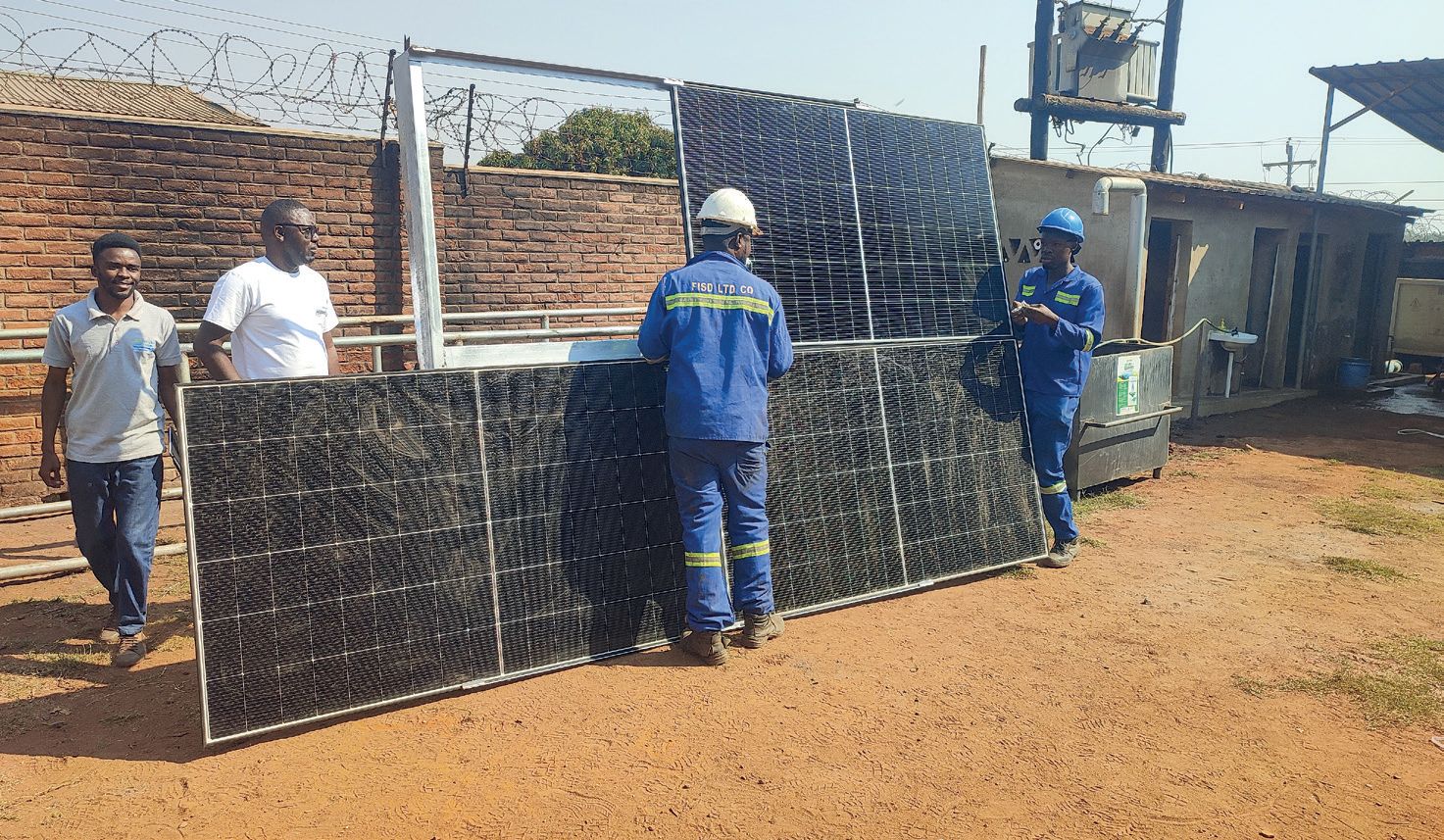
Malawi Government Invests K16 Billion in Solar Irrigation Systems to Ensure Food Security
Summary
- The Malawi Government has invested K16 billion in interventions, including solar-powered irrigation systems, to boost food security and counter El Nino.
- Fisd Limited has been contracted to supply 800 solar-powered irrigation systems worth K10.8 billion.
- Lawyers advising clients on agricultural investments in Malawi should monitor the potential impact of government-backed solar irrigation systems on land use and lease agreements.
Government-Backed Solar Irrigation Systems in Malawi
The investment in solar irrigation systems is a critical step towards ensuring food security in Malawi, where the agriculture sector is a significant contributor to the economy.
The Malawi Government has taken a significant step towards ensuring food security by investing K16 billion in various interventions, including the implementation of solar-powered irrigation systems. This move is aimed at mitigating the effects of the impending 'super' El Nino, which is expected to have a profound impact on the upcoming agriculture season. The government's decision to invest in solar irrigation systems is a strategic one, considering the country's reliance on rain-fed agriculture and the potential for droughts during El Nino years.
Legal Context: Land Use and Lease Agreements
Lawyers advising clients on agricultural investments in Malawi should be aware of the potential implications of government-backed solar irrigation systems on land use and lease agreements. The introduction of these systems may lead to changes in land ownership or usage patterns, which could have far-reaching consequences for investors. Furthermore, any new regulations or incentives related to food security may also impact existing agreements between farmers and investors. It is essential for legal professionals to stay informed about these developments to provide accurate advice to their clients.
Why Food Security Measures Matter in Malawi
The investment in solar irrigation systems is a critical step towards ensuring food security in Malawi, where the agriculture sector is a significant contributor to the economy. The country's vulnerability to climate-related shocks, such as El Nino, makes it essential for the government to take proactive measures to mitigate its impact on food production. By investing in solar-powered irrigation systems, the government is not only ensuring a stable food supply but also creating opportunities for farmers to adopt more sustainable and efficient farming practices.
Practical Implications
Lawyers advising clients on agricultural investments in Malawi should watch for the potential impact of government-backed solar irrigation systems on land use and lease agreements, as well as any new regulations or incentives related to food security.
Source
How does this affect you?
Get an AI analysis of this article grounded in your jurisdictions, practice areas, and any policy documents you've uploaded to Wansom.
Wansom is AI and can make mistakes.