
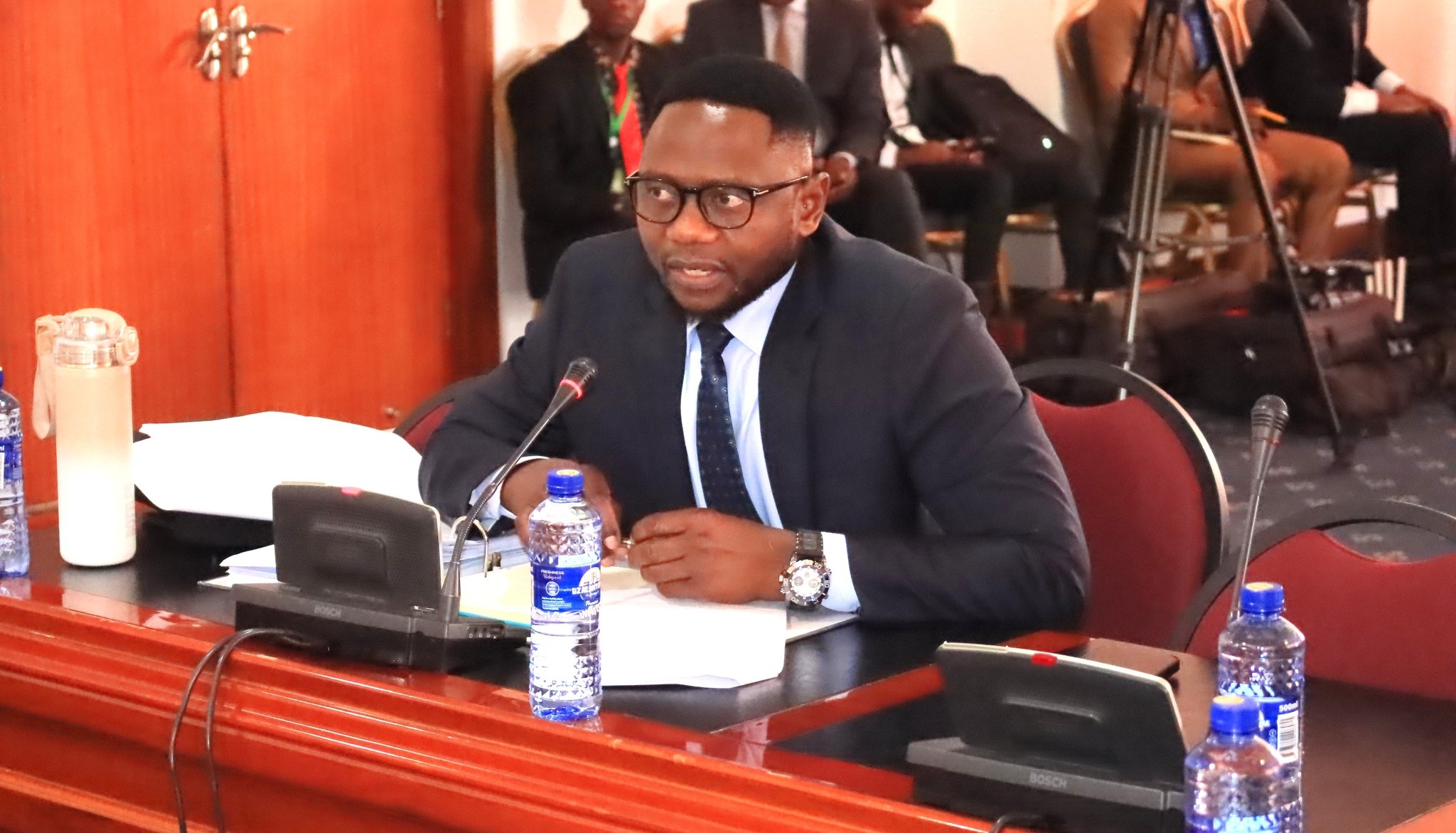
MW Attorney General: AG Queried Over MEC Cases, Independence Concerns Rise
Summary
- Attorney General Frank Mbeta is under scrutiny for his involvement in the Executive's cases against the Malawi Electoral Commission (MEC).
- Legal experts suggest that this situation compromises the independence of the Attorney General's office.
- The Constitution mandates the Attorney General's office to provide independent legal advice to all government branches.
Attorney General's Role Under Scrutiny
This situation has prompted concerns from various legal experts, who suggest that the Attorney General's participation in these specific matters could potentially undermine the perceived independence of his office.
Attorney General Frank Mbeta is currently facing significant scrutiny regarding his involvement in legal proceedings where the Executive branch is pursuing cases against the Malawi Electoral Commission (MEC). This situation has prompted concerns from various legal experts, who suggest that the Attorney General's participation in these specific matters could potentially undermine the perceived independence of his office.
Legal professionals interviewed by The Nation have voiced their apprehension, highlighting that the very nature of the Attorney General's engagement in these disputes raises questions about the impartiality expected from such a crucial constitutional office. The core of their concern revolves around the potential for the office's independence to be compromised when it appears to be aligned with one arm of government against another independent body, particularly in high-profile electoral matters.
Constitutional Mandate and Independence
The foundation of these concerns lies in the constitutional mandate governing the Attorney General's office. According to legal minds, the Constitution explicitly requires the Attorney General's office to provide legal advice that is independent and impartial to all branches of government. This mandate is critical for ensuring that legal guidance is offered without bias, serving the broader interests of the state and upholding the rule of law, rather than favoring a particular political agenda or governmental arm.
The principle of an independent Attorney General is a cornerstone of good governance, designed to safeguard against executive overreach and ensure that all state actions are legally sound. When the Attorney General's office is perceived to be acting on behalf of the Executive in a contentious legal battle against a body like the Malawi Electoral Commission, it inevitably invites questions about whether this fundamental constitutional duty of independent advice is being fully upheld.
Implications for Governance and Public Trust
The ongoing query over the Attorney General's involvement in the MEC cases carries significant implications for the broader landscape of governance and public trust. An Attorney General's office that is seen as anything less than fully independent risks eroding confidence in the legal system and the impartiality of state institutions. The integrity of legal advice, especially in matters involving different arms of government, is paramount for maintaining a healthy separation of powers.
Should the perception of compromised independence persist, it could have far-reaching effects on how the public views the fairness of legal processes and the ability of the Attorney General to provide unbiased counsel. The concerns raised by legal experts underscore the critical importance of the Attorney General's office operating, and being seen to operate, with unwavering independence, particularly when advising on sensitive cases that pit one state entity against another.
Source
How does this affect you?
Get an AI analysis of this article grounded in your jurisdictions, practice areas, and any policy documents you've uploaded to Wansom.
Wansom is AI and can make mistakes.