
Malawi Mwanamvekha: No More State Firm Bailouts Warning Issued
Summary
- Malawi's Finance Minister Joseph Mwanamvekha warned state-owned companies that automatic government bailouts are ending.
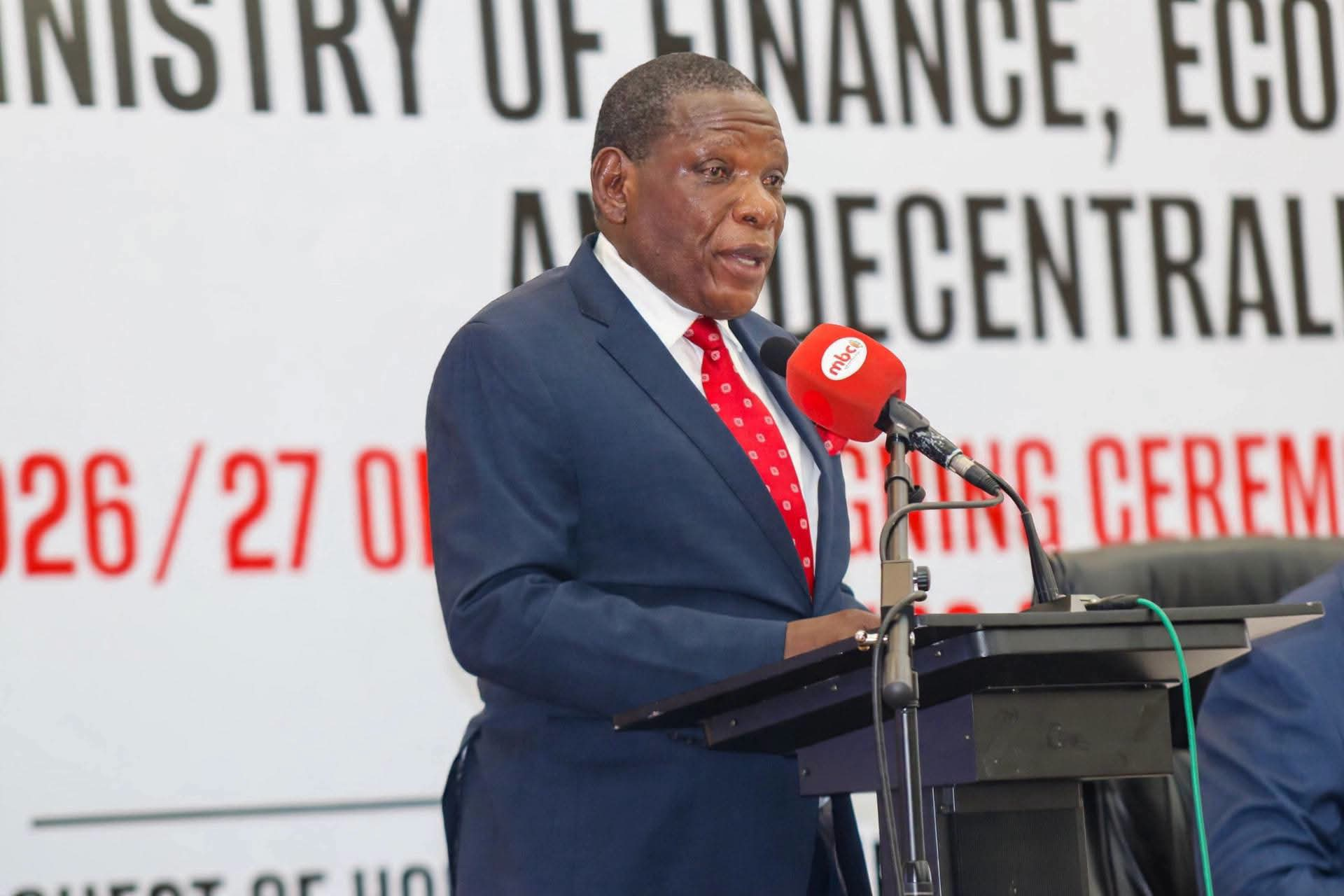
- The warning was delivered on Monday at the Bingu International Convention Centre in Lilongwe.
- The event was a signing ceremony for Shareholders’ Letters of Expectation.
- Minister Mwanamvekha criticized state firms for persistent losses and weak financial performance.
What Happened
Lawyers advising Malawi state-owned enterprises should prepare for increased government scrutiny, potential restructuring, or privatization efforts as the Finance Minister signals an end to automatic bailouts.
Malawi's state-owned enterprises (SOEs) have received a significant warning from Finance Minister Joseph Mwanamvekha, indicating a fundamental shift in government policy regarding financial support. The Minister explicitly stated that the period of automatic government bailouts for these entities is drawing to a close, signaling an end to what has been a long-standing practice. This declaration puts numerous public sector organizations on notice regarding their financial viability and operational efficiency.
The stern message was delivered during a formal event held on Monday at the Bingu International Convention Centre in Lilongwe. The occasion was a signing ceremony for Shareholders’ Letters of Expectation, a mechanism designed to clarify performance benchmarks and accountability for state-run companies. It was within this context that Minister Mwanamvekha chose to address the pressing issue of financial mismanagement and dependency within the public sector.
The Minister's Stance
During his address, Joseph Mwanamvekha did not mince words, directly criticizing the persistent financial losses and overall weak financial performance exhibited by many of Malawi's state-owned enterprises. His remarks underscored a growing frustration within the government over the continuous drain on public resources caused by underperforming SOEs. This public rebuke highlights a strategic move by the administration to enforce greater fiscal discipline across the public sector.
The Finance Minister's strong stance suggests a clear intention to move away from a culture of dependency, where state firms could rely on government intervention to cover their operational shortfalls. This Malawi state-owned enterprises warning is a pivotal moment, urging these entities to re-evaluate their business models and strive for self-sufficiency. The government's patience with financially struggling SOEs appears to have worn thin, paving the way for more stringent oversight and accountability measures.
Broader Context
The signing of Shareholders’ Letters of Expectation at the Lilongwe event provides crucial context for Minister Mwanamvekha's pronouncements. These letters are formal agreements outlining the government's expectations for the performance, governance, and financial health of its state-owned entities. Their implementation signifies a structured approach to improving the efficiency and profitability of these firms, moving beyond ad-hoc interventions.
This initiative forms part of a broader Malawi public sector reform agenda, aiming to professionalize the management of state assets and reduce the fiscal burden they impose. The explicit warning about the cessation of automatic bailouts serves as a powerful enforcement mechanism for these new expectations. It communicates unequivocally that future financial support will not be guaranteed, compelling SOEs to adhere to the performance targets set forth in their respective letters.
Implications for State Firms
For Malawi's state-owned enterprises, the Finance Minister's declaration marks a critical juncture. Lawyers advising Malawi state-owned enterprises should prepare for increased government scrutiny, potential restructuring, or privatization efforts as the Finance Minister signals an end to automatic bailouts. This necessitates a review of financial health, governance structures, and operational compliance for SOEs and their legal advisors to mitigate risks and adapt to evolving government policy. The emphasis on improved SOE financial performance Malawi will likely lead to significant operational changes across the sector.
The era of automatic government rescues for state firms is indeed concluding, as stated by Joseph Mwanamvekha Malawi. This policy shift means that state-owned companies must now demonstrate robust financial management and sustainable operations to avoid potential insolvency or divestiture. The government's message is clear: self-reliance and accountability are paramount, and the days of unchecked losses being absorbed by the public purse are over.
Practical Implications
Lawyers advising Malawi state-owned enterprises (SOEs) should prepare for increased government scrutiny, potential restructuring, or privatization efforts as the Finance Minister signals an end to automatic bailouts. This necessitates a review of financial health, governance structures, and operational compliance for SOEs and their legal advisors to mitigate risks and adapt to evolving government policy.
Source
How does this affect you?
Get an AI analysis of this article grounded in your jurisdictions, practice areas, and any policy documents you've uploaded to Wansom.
Finish Reading the Full Story and the Expert Analysis.
Get the latest legal & regulatory intelligence in Malawi
Wansom is AI and can make mistakes.