
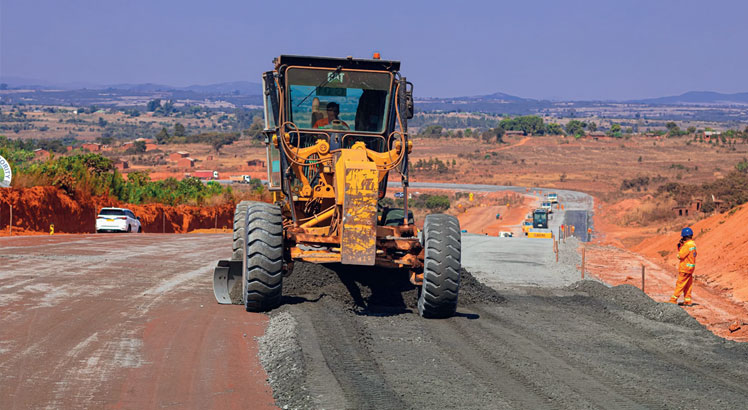
Malawi Energy Regulator MERA Liberalizes Diesel Imports
The Malawi Energy Regulatory Authority (Mera) in Malawi liberalised the importation of diesel, allowing companies undertaking strategic development projects to bring in the commodity for their own consumption, a move that has been widely applauded by business and consumer representatives. This policy adjustment aims to streamline fuel supply for critical projects, potentially reducing operational costs and enhancing efficiency in key economic sectors.
This policy change by Mera is highly significant for Malawi's economic landscape, offering a direct benefit to companies engaged in strategic development projects by potentially lowering their fuel procurement costs and ensuring a more reliable supply. It represents a notable shift towards market-oriented solutions within the energy sector, which could foster greater competition among fuel suppliers and improve overall efficiency in the distribution chain. The positive reception from the Malawi Building, Civil Engineering and Allied Trades Association (Mabcata) and the Consumers Association of Malawi (Cama) underscores the perceived economic advantages for both businesses and the broader consumer base.
Mera operates under the Energy Regulation Act, which grants it broad powers to regulate the energy sector, including the licensing, pricing, and import/export of energy products. This liberalisation likely involves specific directives or amendments to existing regulations to permit direct importation by qualifying entities, departing from previous centralised import models. Such a change could have implications for existing fuel import licenses, distribution agreements, and the competitive landscape of the energy market. The key parties involved are the Malawi Energy Regulatory Authority (Mera), Malawi Building, Civil Engineering and Allied Trades Association (Mabcata), the Consumers Association of Malawi (Cama), and companies undertaking strategic development projects.
Legal practitioners advising companies in the energy, construction, and logistics sectors in Malawi should immediately assess the implications of this liberalisation. Companies undertaking strategic development projects should explore the new framework for direct diesel importation to potentially reduce operational costs and enhance supply security. Attorneys should review existing supply contracts, import licenses, and regulatory compliance requirements to advise clients on leveraging this change or adapting to new market dynamics. This development could also open avenues for new market entrants or partnerships in the energy supply chain, necessitating careful legal navigation of new commercial opportunities and regulatory obligations.
How does this affect you?
Get an AI analysis of this article grounded in your jurisdictions, practice areas, and any policy documents you've uploaded to Wansom.
Finish Reading the Full Story and the Expert Analysis.
Get the latest legal & regulatory intelligence in Malawi
Wansom is AI and can make mistakes.