
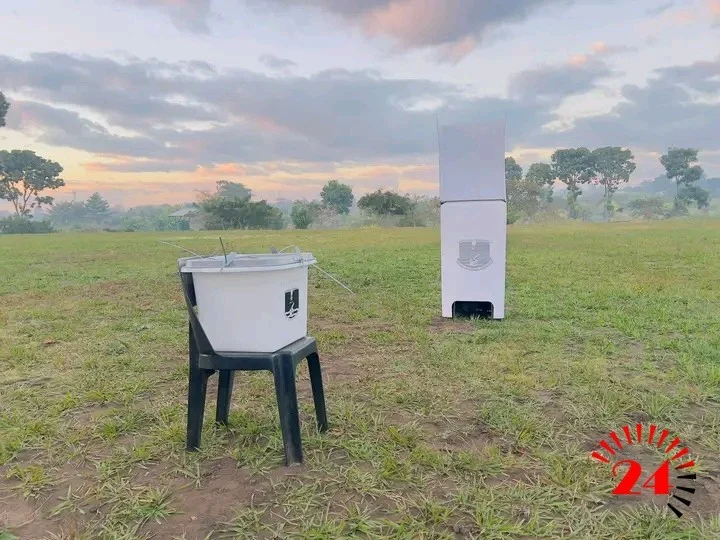
Malawi Electoral Commission Flags Fake Election Calendar
The Malawi Electoral Commission (MEC) has issued a public statement in Malawi to clarify that a calendar circulating on social media, which purports to announce a new polling date for postponed fresh parliamentary elections in Nsanje South and Mangochi East constituencies, is fake. The MEC explicitly stated that it has not issued any revised electoral calendar for these specific constituencies, thereby discrediting the circulating information. This action by the MEC aims to prevent confusion among the electorate and other stakeholders regarding the electoral process. The excerpt does not provide details on when these elections were originally postponed or the reasons for their postponement.
This development carries significant legal and democratic implications for Malawi, particularly concerning electoral integrity and public trust in the electoral process. The circulation of false electoral information can severely undermine the credibility of elections, potentially leading to voter disenfranchisement due to confusion, and could even contribute to political instability. For legal practitioners, this incident highlights the legal ramifications of spreading misinformation, especially in the context of sensitive national processes like elections. It also underscores the MEC's crucial role as the authoritative source of electoral information and its responsibility to actively counter disinformation to maintain a fair and transparent electoral environment.
The legal context for this situation primarily involves Malawian electoral law, including the Electoral Commission Act and potentially the Parliamentary and Presidential Elections Act. These statutes delineate the powers and responsibilities of the MEC, which encompass managing elections, setting polling dates, and disseminating official electoral information. The act of circulating false electoral information could potentially fall under provisions related to electoral offences, public order, or even defamation, depending on the intent behind its dissemination and its impact. The MEC's public clarification is an exercise of its statutory duty to ensure free, fair, and credible elections by providing accurate information to the public. The key party involved is the Malawi Electoral Commission, addressing misinformation related to elections in Nsanje South and Mangochi East constituencies.
Attorneys advising political parties, candidates, civil society organizations, or media outlets involved in elections in Malawi must emphasize the critical importance of relying solely on official communications from the Malawi Electoral Commission for all electoral dates, procedures, and guidelines. They should also be acutely aware of potential legal liabilities associated with the dissemination of false information, particularly during election periods, which could constitute electoral offences. Businesses and organizations engaged in public communication or social media management should implement robust fact-checking protocols to avoid inadvertently amplifying misinformation. This incident serves as a stark reminder of the ongoing challenges posed by disinformation in the digital age and the collective responsibility of all stakeholders to uphold the integrity of democratic processes.
How does this affect you?
Get an AI analysis of this article grounded in your jurisdictions, practice areas, and any policy documents you've uploaded to Wansom.
Finish Reading the Full Story and the Expert Analysis.
Get the latest legal & regulatory intelligence in Malawi
Wansom is AI and can make mistakes.