
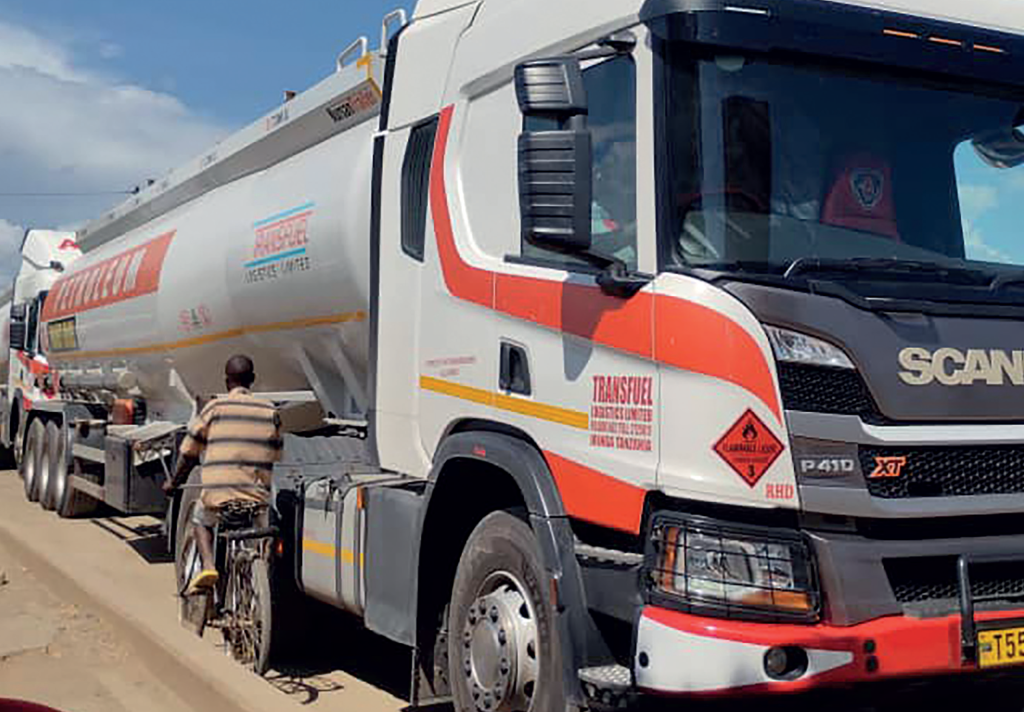
Malawi DDU Fuel Procurement Legality: Hauliers Grounded
Summary
- Malawian hauliers have grounded their trucks following the reintroduction of a Delivery Duty Unpaid (DDU) fuel procurement system.
- The Transporters Association of Malawi confirmed that all locally-registered fuel tankers are currently inactive.
- The DDU arrangement is described as an "outlawed" system, raising questions about its legal status in Malawi.
- Importers are utilizing the DDU system, leading to the widespread halt in local fuel transport.
- This development complicates efforts to address the prolonged fuel scarcity in Malawi.
What Happened
The legality of the current Malawi DDU fuel procurement arrangement is therefore a critical point of contention.
Malawian hauliers have ceased operations, effectively grounding their entire fleet of trucks in response to a recent shift in the nation's fuel procurement strategy. This widespread halt in transport services follows the reintroduction of a Delivery Duty Unpaid (DDU) arrangement for fuel imports, a system that has been previously deemed unlawful within the country.
The Transporters Association of Malawi (TAM) confirmed yesterday that all fuel tankers registered locally are currently inactive. This collective action by hauliers stems directly from importers' decision to utilize the DDU framework for bringing fuel into Malawi. The return to this specific procurement method has immediately impacted the operational capacity of local transport providers, leading to the grounding of their vehicles across the nation.
Legal Context
The re-adoption of the Delivery Duty Unpaid (DDU) system for fuel procurement in Malawi raises significant questions regarding its legal standing, particularly given its prior designation as an "outlawed" arrangement. This development directly challenges established Malawi fuel procurement regulations and brings the DDU legal status Malawi back into sharp focus. The term "outlawed" implies that the system was previously prohibited or deemed non-compliant with national laws or regulatory frameworks governing fuel imports and duties.
The legality of the current Malawi DDU fuel procurement arrangement is therefore a critical point of contention. Lawyers advising Malawian hauliers or fuel importers should meticulously investigate the specific legal basis, or lack thereof, for this return to the DDU system. Such an inquiry would assess potential regulatory non-compliance or contractual breaches that might arise from operating under a previously disallowed framework, potentially necessitating legal action to challenge the system or to guide clients through its operational and financial ramifications.
Why It Matters
The grounding of Malawi hauliers due to the reintroduction of the Delivery Duty Unpaid (DDU) system has immediate and far-reaching implications, particularly for the nation's ongoing struggle with fuel scarcity. This disruption not only exacerbates existing supply chain challenges but also casts a shadow over the efficacy of current efforts to stabilize the fuel market. The reliance on a procurement method described as "outlawed" introduces an element of instability and uncertainty into a vital sector.
Beyond the immediate operational standstill, the situation underscores deeper concerns about governance and regulatory adherence within Malawi's energy sector. The decision to revert to a system with a questionable legal status suggests potential systemic issues that could undermine long-term solutions to fuel supply problems. This development directly impacts the economy by halting essential transport, and it raises critical questions about the transparency and legality of fuel import practices in the country.
Practical Implications
Lawyers advising Malawian hauliers or fuel importers should investigate the legal basis for the return to the Delivery Duty Unpaid (DDU) system, assessing potential regulatory non-compliance or contractual breaches. This development may necessitate legal action to challenge the system or advise clients on navigating its operational and financial impacts.
Source
How does this affect you?
Get an AI analysis of this article grounded in your jurisdictions, practice areas, and any policy documents you've uploaded to Wansom.
Finish Reading the Full Story and the Expert Analysis.
Get the latest legal & regulatory intelligence in Malawi
Wansom is AI and can make mistakes.