
Malawi: Community Corrections Pilot Program Launches in 4 Districts
Summary
- Malawi's Prisons Service plans to launch a community corrections pilot program in four districts.
- This initiative is part of a wider effort to combat severe prison overcrowding in the country.
- A new law allows individuals convicted of minor crimes to serve sentences within their communities.
- The legislation aims to reserve traditional incarceration for serious offenders.
- The program offers a new sentencing option for minor offenses, potentially impacting legal strategies.
New Community Corrections Initiative
For lawyers representing clients in Malawi, particularly those facing charges for minor offenses, these developments are highly significant.
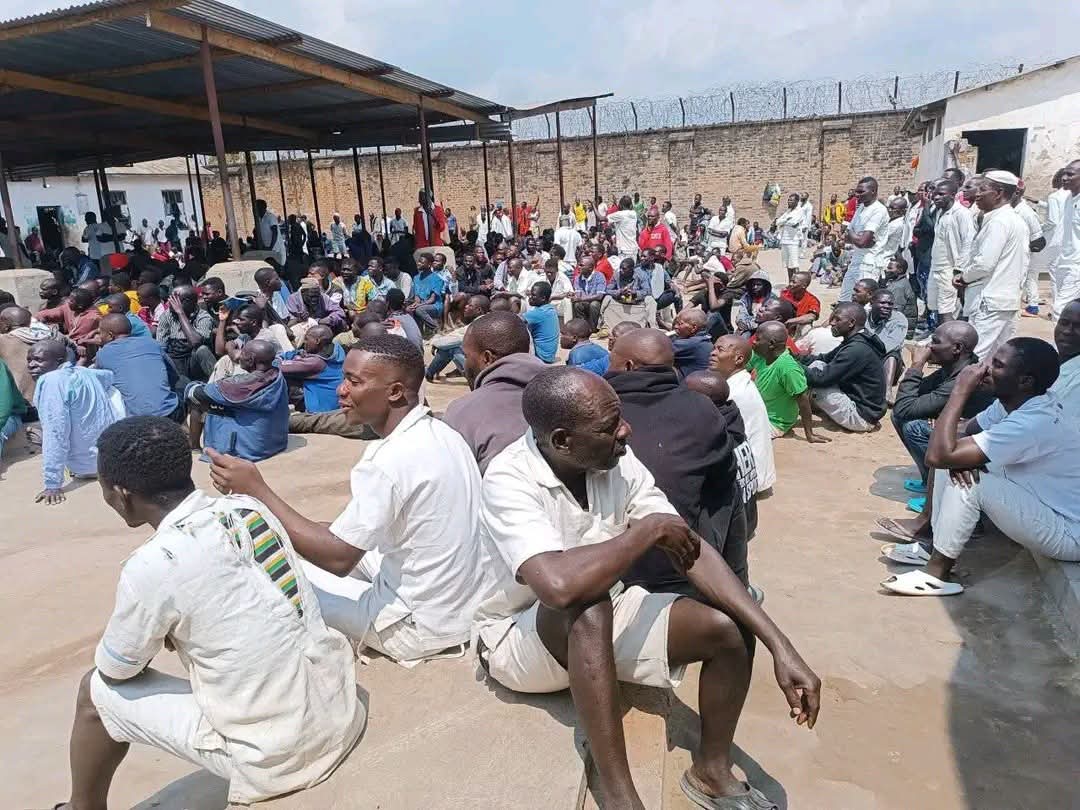
Malawi's criminal justice system is undergoing a significant transformation with the ongoing launch of a Malawi community corrections pilot program. The nation's Prisons Service has officially declared its intention to initiate these innovative programs across four distinct districts: Mchinji, Phalombe, Machinga, and Salima. This strategic move represents a crucial component of a wider national initiative designed to alleviate the severe and persistent issue of criminal justice Malawi overcrowding that has long plagued the country's correctional facilities.
This new approach signals a shift in how the country manages its offender population, moving towards solutions that integrate rehabilitation and community involvement. The pilot phase will be critical in assessing the efficacy and scalability of these programs before a potential nationwide rollout. The focus is on developing sustainable alternatives to traditional incarceration, particularly for individuals who have committed less severe offenses.
Legal Framework for Reform
Underpinning this initiative is the Prisons Act, 2025, a recently enacted Malawi alternative sentencing law, specifically crafted to redefine the parameters of judicial punishment. This legislation is designed with a dual objective: first, to ensure that custodial sentences are primarily reserved for individuals convicted of serious crimes, thereby prioritizing the most dangerous offenders for incarceration. Second, it explicitly permits individuals found guilty of minor infractions to fulfill their sentences within their local communities, rather than being confined to overcrowded prisons.
This legal framework paves the way for the implementation of Malawi non-custodial sentences, offering judges and magistrates new avenues for dispensing justice that are both punitive and rehabilitative. The law's provisions are expected to facilitate a more nuanced application of justice, moving away from a one-size-fits-all approach to sentencing. This legislative change is a cornerstone of the broader Malawi prison reform efforts, aiming to create a more humane and effective correctional system.
Implications for Justice and Legal Practice
The introduction of the Malawi community corrections pilot program carries substantial implications for the nation's justice system and legal professionals. The chronic criminal justice Malawi overcrowding has long been a pressing concern, leading to strained resources and challenging conditions within correctional facilities. By diverting individuals convicted of community service Malawi minor crimes away from prisons, the pilot program aims to directly address this critical issue, potentially freeing up space and resources for more serious offenders.
For lawyers representing clients in Malawi, particularly those facing charges for minor offenses, these developments are highly significant. The availability of community-based sentencing options could fundamentally alter defense strategies and client outcomes. Legal practitioners should closely monitor the progress and implementation of these programs, as they present a valuable opportunity to advocate for non-custodial sentences that could spare clients from the hardships of incarceration. This shift represents a progressive step in Malawi prison reform efforts, emphasizing rehabilitation and community integration over punitive detention for less severe transgressions.
Practical Implications
Lawyers defending clients in Malawi for minor offenses should monitor the implementation of these community corrections programs, as they present a new sentencing option that could significantly impact case strategy and client outcomes, potentially avoiding custodial sentences.
Source
How does this affect you?
Get an AI analysis of this article grounded in your jurisdictions, practice areas, and any policy documents you've uploaded to Wansom.
Finish Reading the Full Story and the Expert Analysis.
Get the latest legal & regulatory intelligence in Malawi
Wansom is AI and can make mistakes.