
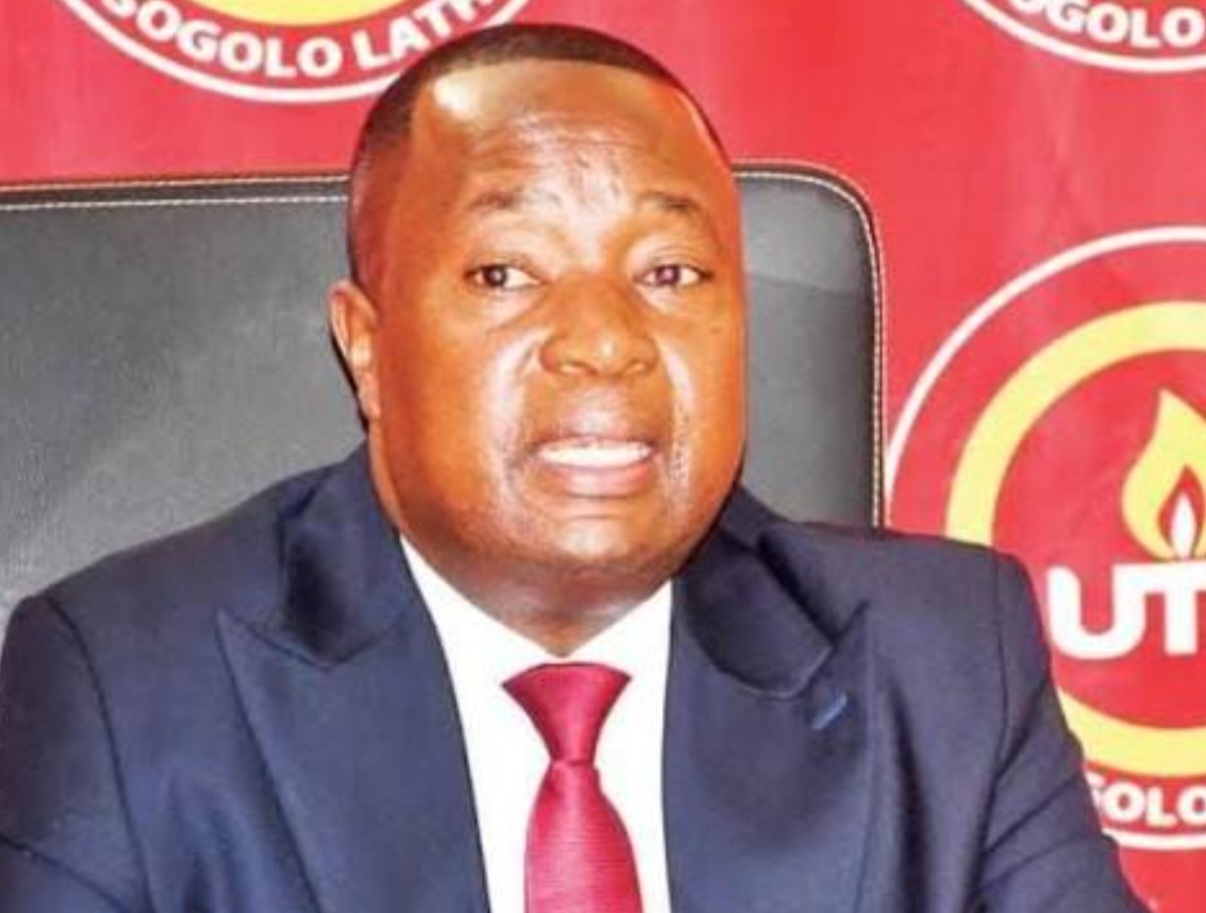
Dalitso Kabambe: Malawi Presidential Absence Sparks Governance Debate
Summary
- UTM president Dalitso Kabambe questioned who governs Malawi during the Head of State's absence on a private trip.
- Kabambe's statement emphasized presidential accountability and the continuity of government.
- The discussion highlights the importance of transparency and Malawi constitutional governance.
- The debate prompts a review of constitutional provisions regarding presidential authority and delegation during absence.
- Clarity on leadership during a Malawi presidential absence is crucial to avoid potential legal challenges to government actions.
The Controversy Unfolds
Legal experts and compliance officers in Malawi are prompted by such discussions to review the specific constitutional articles that dictate presidential authority and the procedures for delegating responsibilities during an absence.
UTM president Dalitso Kabambe has initiated a significant public discussion regarding the operational leadership of Malawi during periods when the nation's Head of State is not physically present. His recent statement specifically questioned who assumes the critical responsibilities of governing the country when the President is away, particularly on a private trip. This inquiry by Dalitso Kabambe about the Malawi presidential absence has brought to the forefront concerns about the mechanisms of state management.
Kabambe's intervention serves to highlight the need for clarity on governmental authority and decision-making processes in the absence of the sitting president. His remarks are designed to stimulate a broader conversation among the populace and political stakeholders concerning the accountability of the highest office and the seamless functioning of state affairs, even when the Head of State is temporarily out of the country.
Constitutional Questions Raised
At the core of Kabambe's statement are fundamental questions pertaining to presidential accountability Malawi and the overarching framework of Malawi constitutional governance. He underscored the importance of transparency in how the country is run, particularly when the Head of State is not on Malawian soil. The debate he has sparked centers on whether existing constitutional provisions adequately address the delegation of presidential powers and the continuity of government Malawi during such periods.
Legal experts and compliance officers in Malawi are prompted by such discussions to review the specific constitutional articles that dictate presidential authority and the procedures for delegating responsibilities during an absence. A clear understanding of these provisions is crucial to prevent potential legal challenges to government decisions or actions that might be taken while the Head of State is not physically present in the country, ensuring the legitimacy and stability of governance.
Implications for Governance
The questions raised by UTM president Dalitso Kabambe about the Malawi Head of State absence are not merely academic; they carry substantial implications for the nation's political stability and public trust. By placing transparency and constitutional governance at the heart of public discourse, Kabambe has compelled a re-evaluation of how the country manages its leadership in critical moments. This discussion is vital for reinforcing the principles of presidential accountability Malawi and ensuring that the government operates with unquestionable legitimacy.
Ensuring the continuity of government Malawi is paramount for national security, economic stability, and the delivery of public services. Kabambe's call for clarity on who governs during the President's absence highlights a potential vulnerability in the current system, urging a closer examination of constitutional safeguards. The ongoing dialogue is essential for strengthening democratic institutions and ensuring that the mechanisms for leadership transition or delegation are robust and unambiguous.
Practical Implications
Lawyers and compliance officers in Malawi should review constitutional provisions regarding presidential authority and delegation during absence to understand potential legal challenges to government decisions or actions taken when the Head of State is not physically present in the country.
Source
How does this affect you?
Get an AI analysis of this article grounded in your jurisdictions, practice areas, and any policy documents you've uploaded to Wansom.
Finish Reading the Full Story and the Expert Analysis.
Get the latest legal & regulatory intelligence in Malawi
Wansom is AI and can make mistakes.