
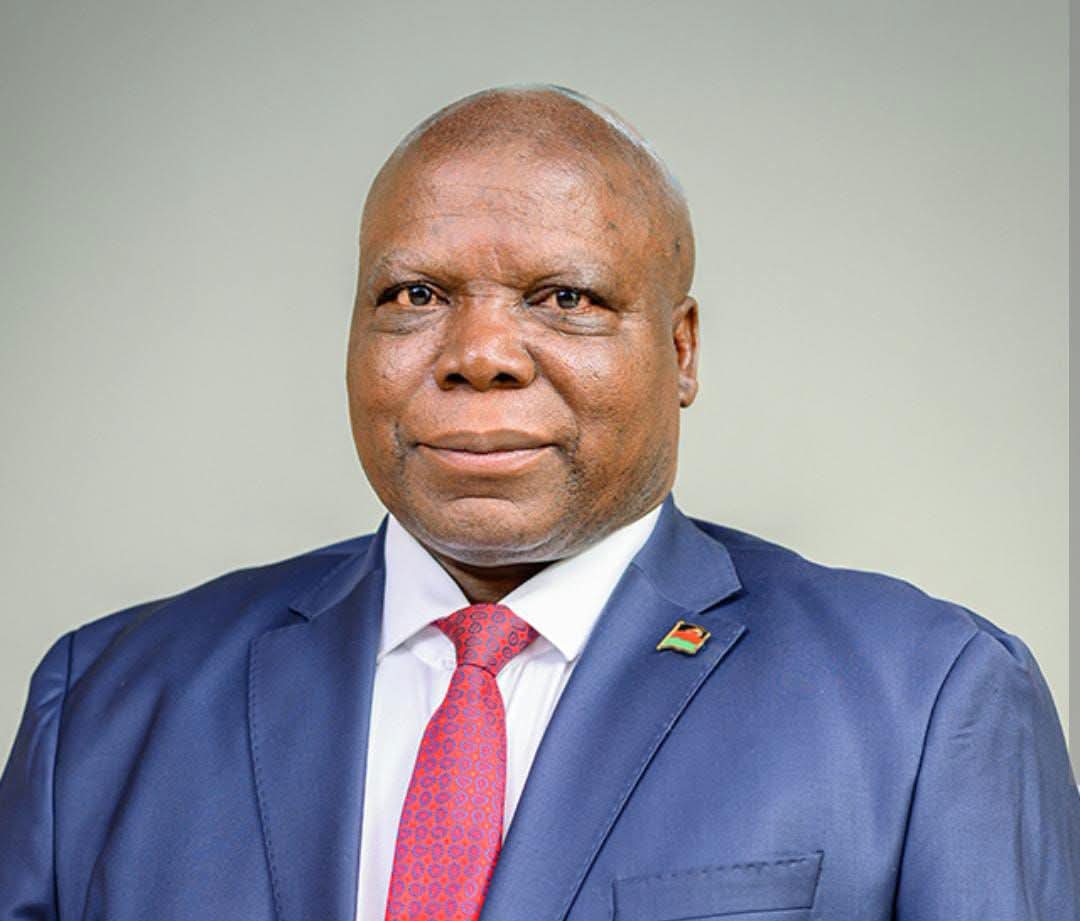
Malawi OPC: Civil Servants Travel Ban on Off-Site Workshops
Summary
- The Office of the President and Cabinet has issued an immediate ban on specific off-site activities for Malawi civil servants.
- This directive prohibits taxpayer-funded workshops, seminars, and lavish away-days from taking place outside official workstations.
- The new policy aims to save taxpayers' cash by cracking down on what are termed "cozy government junkets."
- Existing hotel bookings and travel plans for these activities are explicitly cancelled under the new regulations.
Malawi Implements Civil Servants Travel Ban
The primary motivation behind this Malawi civil servants travel ban is a concerted effort to save taxpayers' cash, addressing concerns over what has been termed 'bonkers junkets.'
The Malawian government has initiated a significant policy shift impacting its civil service, effectively implementing a Malawi civil servants travel ban for specific activities. A directive from the highest echelons of the administration now prohibits government employees from participating in a range of taxpayer-funded engagements held away from their designated official workplaces. This immediate cessation targets workshops, seminars, and what are described as "lavish away-days," which frequently involved off-site accommodation and travel. The new regulations aim to curtail expenditures associated with these events, fundamentally altering how public sector training and collaborative sessions are conducted.
This sweeping measure means that civil servants are now expected to conduct all such professional development and strategic meetings within their standard operational bases. The directive explicitly cancels any existing arrangements for these off-site activities, including previously booked hotel stays and travel plans. This marks a decisive move to restrict external engagements that have historically contributed to significant public spending. The Office of the President and Cabinet has made it clear that this is an immediate and comprehensive change to previous practices.
Office of President and Cabinet Issues Directive
The stringent new policy originates directly from the Office of the President and Cabinet (OPC), signaling a top-down approach to fiscal discipline within the Malawian public sector. This Office of President and Cabinet travel policy represents a direct intervention to curb what has been characterized as "cozy government junkets" and other non-essential travel. The directive underscores a broader effort to implement Malawi government travel regulations that prioritize cost-efficiency and responsible use of public funds. By issuing an immediate stop to these activities, the OPC is asserting tighter control over departmental budgets and operational spending.
This move can be understood within the context of wider Malawi public sector expenditure cuts, where the government is seeking avenues to optimize resource allocation. The civil service workshop ban Malawi is a prominent example of this strategy, directly addressing a category of spending that has often been scrutinized for its perceived extravagance. The OPC's authority in issuing such a comprehensive and immediate ban highlights its central role in shaping administrative policy and enforcing financial prudence across government ministries and departments.
Why the Crackdown on Government Junkets Matters
The primary motivation behind this Malawi civil servants travel ban is a concerted effort to save taxpayers' cash, addressing concerns over what has been termed "bonkers junkets." This crackdown on government junkets is designed to redirect public funds towards more critical areas by eliminating what are deemed non-essential, lavish expenditures on travel and accommodation for civil servants. The immediate impact will be a significant reduction in the costs associated with workshops, seminars, and away-days that previously required public funding for off-site venues and related logistics.
Beyond the immediate financial savings, this directive sends a clear message about accountability and fiscal responsibility within the Malawian government. It signifies a shift towards a more austere approach to public administration, where resources are to be managed with greater scrutiny. The policy aims to ensure that public money is utilized efficiently, directly benefiting the citizenry rather than being spent on what some perceive as unnecessary perks for government employees. This measure is a direct response to public and governmental calls for greater transparency and prudence in public spending.
Practical Implications
Lawyers advising government agencies or parastatals in Malawi must review internal policies and planned expenditures to ensure compliance with the new OPC directive on civil servant travel and workshops. Compliance officers should note the stricter public spending controls, which may impact procurement and contractual arrangements with government bodies.
Source
How does this affect you?
Get an AI analysis of this article grounded in your jurisdictions, practice areas, and any policy documents you've uploaded to Wansom.
Finish Reading the Full Story and the Expert Analysis.
Get the latest legal & regulatory intelligence in Malawi
Wansom is AI and can make mistakes.