
Malawi Citizen Challenges Parliament's Investigative Powers
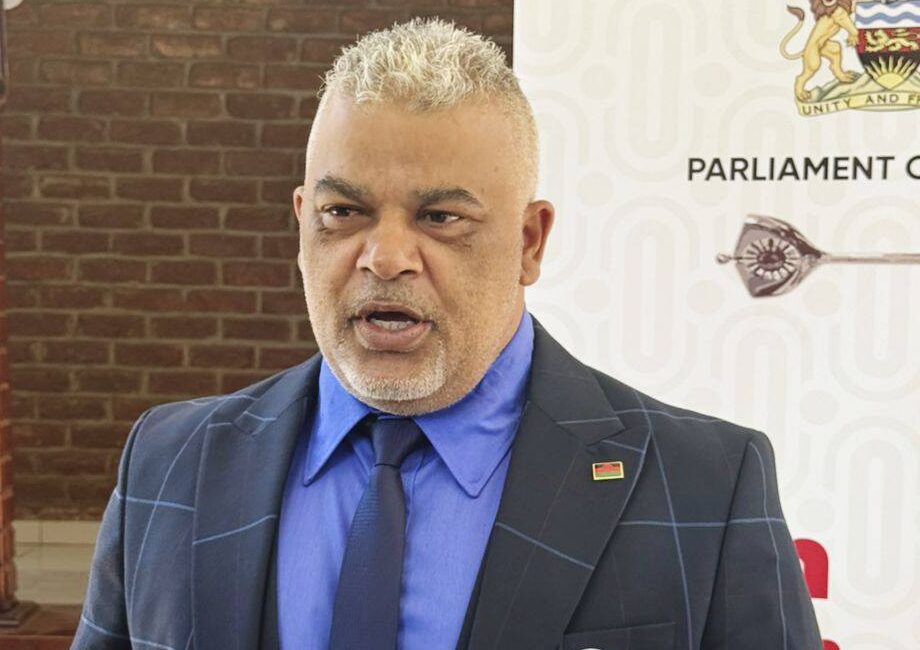
A Malawian citizen has launched an urgent judicial review against Parliament's authority to investigate government entities, specifically naming Speaker Sameer Suleman as a respondent and seeking to block ad-hoc committees probing NOCMA, ESCOM, and other public institutions.
This legal challenge carries significant implications for the separation of powers and the scope of legislative oversight within Malawi's governance framework. Should the court rule in favour of the citizen, it could potentially curtail Parliament's ability to hold public institutions accountable through its ad-hoc investigative committees, thereby redefining the boundaries of legislative scrutiny. Conversely, a ruling upholding Parliament's powers would reinforce its constitutional mandate for oversight, affirming its role as a check on the executive and state-owned enterprises. The outcome will provide crucial clarity on the extent to which the judiciary can intervene in parliamentary proceedings, particularly concerning investigative functions.
The legal context for this challenge primarily revolves around the Malawian Constitution, which delineates the powers and functions of Parliament, including its oversight responsibilities, and the judiciary's role in judicial review. The application for urgent judicial review suggests that the citizen is challenging the legality or procedural fairness of Parliament's actions rather than the substantive findings of any investigation. Relevant provisions concerning parliamentary committees, their establishment, and their investigative mandates, as well as the statutes governing public bodies like NOCMA (National Oil Company of Malawi) and ESCOM (Electricity Supply Corporation of Malawi), will likely be central to the court's deliberations. The High Court would typically be the forum for such judicial review applications.
The key parties involved include the unnamed Malawian citizen as the applicant, Speaker Sameer Suleman as the named respondent, and by extension, the Parliament of Malawi, whose investigative powers are under scrutiny. The public institutions NOCMA and ESCOM are the specific entities that Parliament's ad-hoc committees are reportedly probing. While the specific court is not named, judicial review applications of this nature are generally heard by the High Court.
Practitioners, particularly those advising public institutions, state-owned enterprises, or individuals subject to parliamentary scrutiny, must closely monitor the progression and eventual ruling in this matter. The decision will establish a critical precedent regarding the limits and procedures of parliamentary investigations in Malawi, influencing how public bodies engage with legislative inquiries and how Parliament exercises its oversight functions. Attorneys should be prepared to advise clients on the potential for judicial intervention in legislative processes and the legal avenues available to challenge perceived overreaches of parliamentary power. The outcome of this matter is not yet reported.
How does this affect you?
Get an AI analysis of this article grounded in your jurisdictions, practice areas, and any policy documents you've uploaded to Wansom.
Finish Reading the Full Story and the Expert Analysis.
Wansom is AI and can make mistakes.