
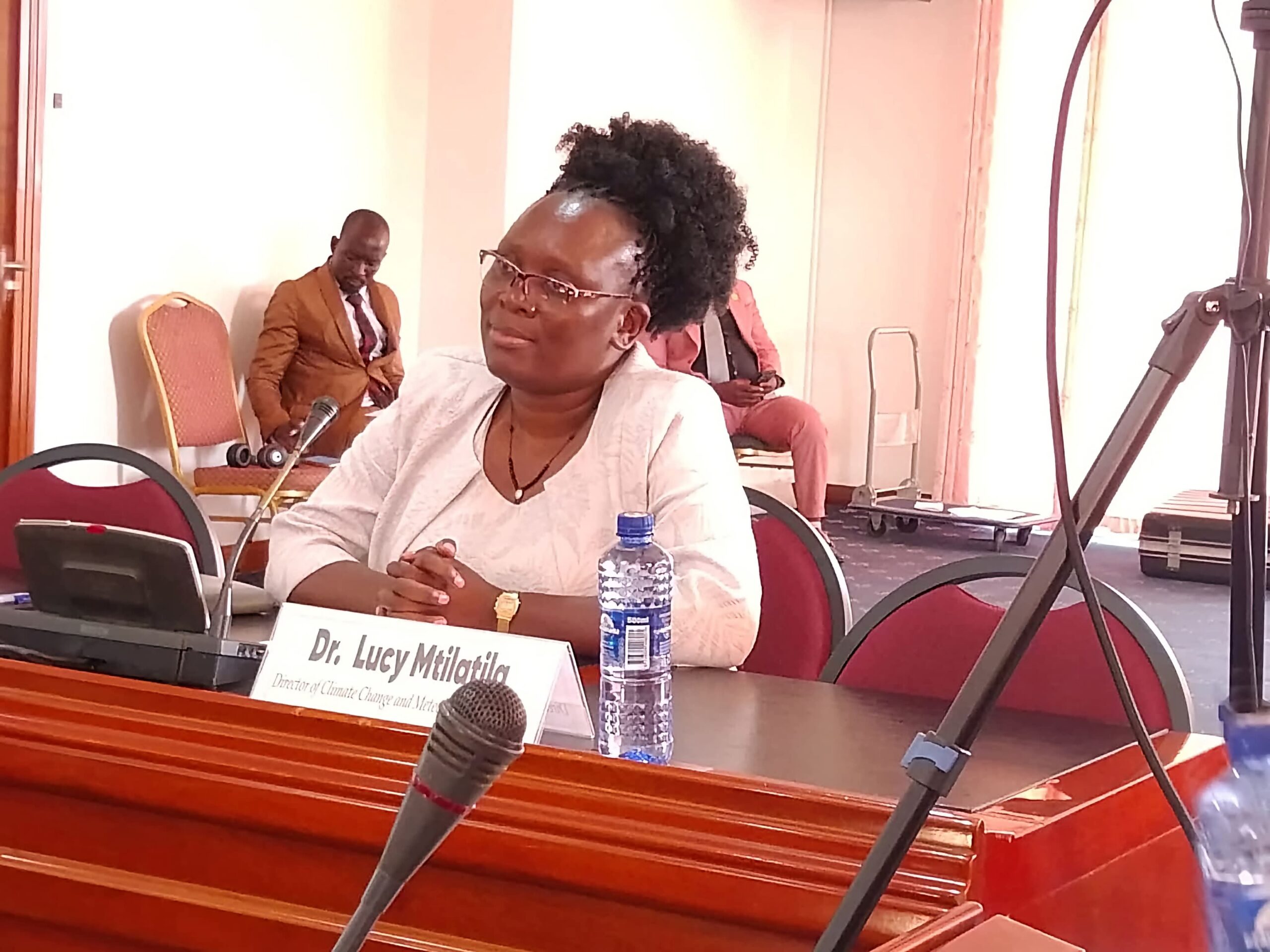
Malawi Chikangawa VVIP Flight Weather Forecaster Absent
Summary
- Lucy Mtilatila, Director of Climate Change and Meteorological Services, testified before the Parliamentary Ad-hoc Committee investigating the Chikangawa plane crash.
- Her department had no advance knowledge of the VVIP flight to Mzuzu on June 10, 2024.
- Consequently, no weather forecaster was deployed to provide ground support for the fateful VVIP flight.
- This revelation highlights potential regulatory gaps and accountability issues in aviation safety protocols for VVIP flights in Malawi.
Unveiling a Critical Lapse
The fact that this essential support was missing due to an information vacuum points to potential systemic vulnerabilities that the Parliamentary Ad-hoc Committee Chikangawa is now scrutinizing.
The Parliamentary Ad-hoc Committee investigating the tragic Chikangawa plane crash has heard crucial testimony revealing a significant lapse in operational protocols for the ill-fated June 10, 2024 VVIP flight. During her appearance before the committee, Lucy Mtilatila, who serves as the Director of the Department of Climate Change and Meteorological Services Malawi, confirmed that her department was not informed in advance about the high-profile journey to Mzuzu. This lack of prior notification had direct and serious consequences for the provision of essential safety services.
Ms. Mtilatila's testimony underscored that because her department had no forewarning of the VVIP flight, no dedicated weather forecaster was dispatched to provide critical ground support operations in Mzuzu. This absence of specialized meteorological assistance raises serious questions about the coordination and communication mechanisms in place for sensitive government air travel. The revelation forms a key part of the ongoing Malawi plane crash investigation weather, which seeks to understand all contributing factors to the incident.
The Director's statement highlights a fundamental breakdown in the system designed to ensure the safety of such flights. The deployment of a weather forecaster is standard procedure for VVIP movements, offering real-time, localized meteorological data crucial for flight planning and in-flight decision-making. The fact that this essential support was missing due to an information vacuum points to potential systemic vulnerabilities that the Parliamentary Ad-hoc Committee Chikangawa is now scrutinizing.
Regulatory Oversight and Inter-Agency Coordination
This development brings into sharp focus the existing regulatory framework and inter-agency coordination mechanisms governing VVIP flights within Malawi. The absence of advance knowledge by a critical safety-related department, such as the Department of Climate Change and Meteorological Services Malawi, suggests potential gaps in the established protocols for aviation safety. Such lapses can have profound implications, particularly when dealing with high-stakes VVIP flights where precision and comprehensive support is paramount.
The testimony by Lucy Mtilatila before the Parliamentary Ad-hoc Committee Chikangawa implicitly raises questions about accountability within government departments. It prompts an examination of whether clear, mandatory procedures are in place to ensure that all relevant agencies are notified of VVIP flight schedules, especially those providing direct safety support like meteorological services. The integrity of the VVIP flight Mzuzu weather support system hinges on effective communication and adherence to established safety standards.
Lawyers and legal experts will be closely monitoring the findings of the Parliamentary Ad-hoc Committee. The committee's conclusions could shed light on potential state liability or negligence claims arising from any identified failures in inter-agency communication or regulatory oversight. This incident underscores the necessity for robust legislative reforms or, at minimum, a significant overhaul of existing operational guidelines to prevent similar occurrences in the future and bolster overall aviation safety in Malawi.
Broader Implications for Aviation Safety
The implications of this revelation extend far beyond the immediate circumstances of the Chikangawa plane crash investigation. It highlights a critical vulnerability in the operational safety net for VVIP air travel, suggesting that essential meteorological support for the Malawi Chikangawa VVIP flight weather forecaster was not in place due to a fundamental communication breakdown. This situation could have broader ramifications for public trust in government aviation safety protocols and the overall reliability of air travel support systems.
The ongoing inquiry by the Parliamentary Ad-hoc Committee Chikangawa is therefore not just about the specific incident but about identifying systemic weaknesses that could impact future flights. The committee's recommendations will be crucial in shaping future policy regarding inter-agency coordination for critical services like meteorological support in aviation. Ensuring that departments like the Department of Climate Change and Meteorological Services Malawi receive timely information is fundamental to preventing future tragedies and upholding the highest standards of aviation safety.
Ultimately, the testimony from Lucy Mtilatila underscores the urgent need for a comprehensive review of how VVIP flights are managed from a logistical and safety perspective. The absence of a weather forecaster for the VVIP flight to Mzuzu, stemming from a lack of advance notification, serves as a stark reminder that even seemingly minor communication failures can have catastrophic consequences. The findings of this investigation are expected to drive significant changes in how such critical operations are planned and executed across Malawi.
Practical Implications
This development highlights potential regulatory gaps and accountability issues within government departments concerning aviation safety protocols for VVIP flights in Malawi. Lawyers should monitor the Parliamentary Ad-hoc Committee's findings for implications on state liability, potential negligence claims, or future legislative reforms regarding inter-agency coordination for critical services like meteorological support in aviation.
Source
How does this affect you?
Get an AI analysis of this article grounded in your jurisdictions, practice areas, and any policy documents you've uploaded to Wansom.
Finish Reading the Full Story and the Expert Analysis.
Wansom is AI and can make mistakes.