
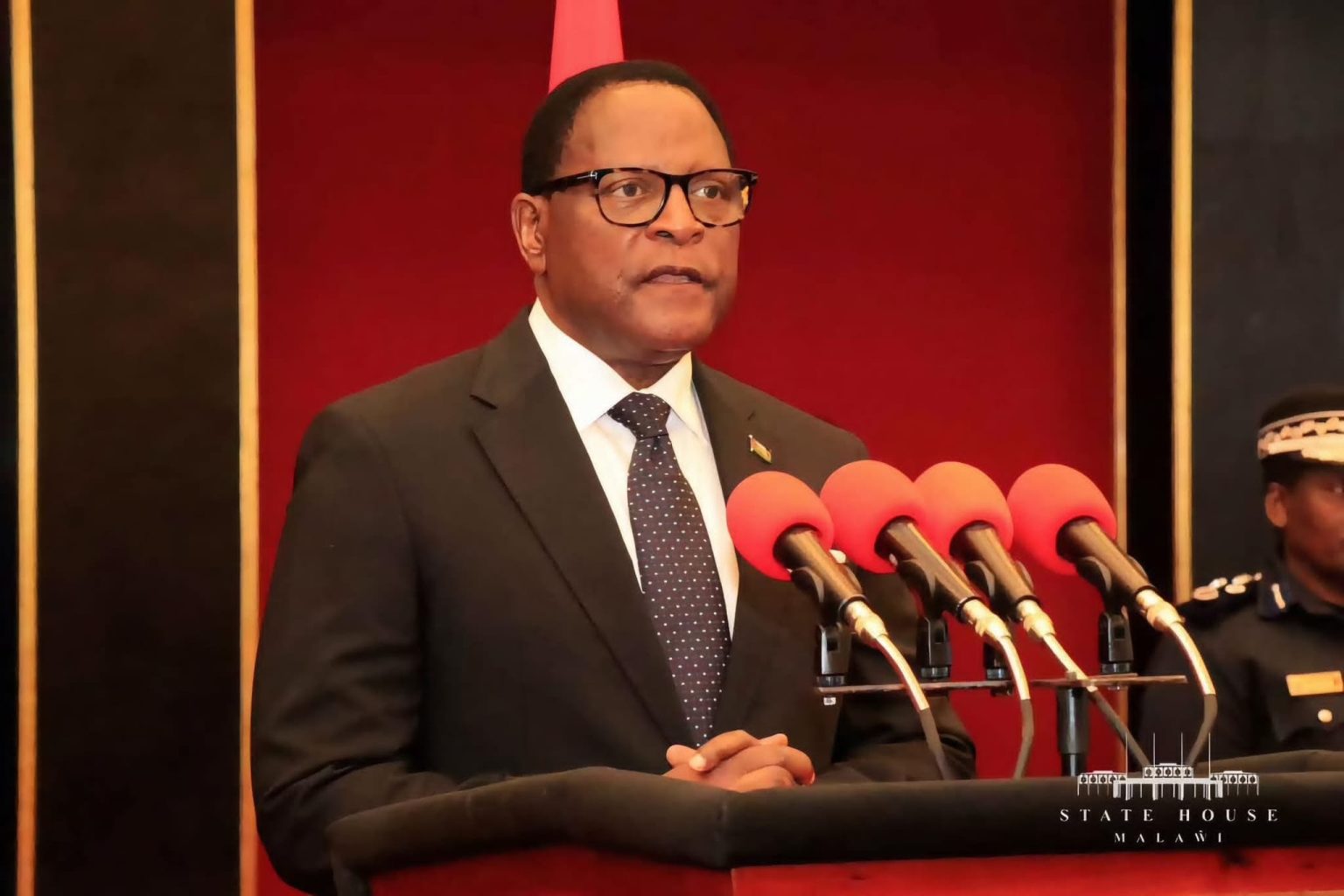
Malawi Chakwera Chikangawa Crash Inquiry: Opposition, Ex-President Warn of Politicization
Summary
- Malawi's parliamentary inquiry into the fatal Chikangawa plane crash is facing opposition criticism.
- The criticism stems from reports that former President Lazarus Chakwera and former Minister Moses Kunkuyu may be summoned to testify.
- The opposition accused inquiry organizers of politicizing the process in a memorandum dated August 31, 2026.
- Former President Chakwera has reportedly expressed reluctance to testify and warned the probe risks becoming "political theatre."
- This development raises questions about executive accountability and parliamentary oversight in Malawi.
What Happened
The warning from former President Chakwera about the probe risking becoming "political theatre" underscores the inherent sensitivities when investigations touch upon the highest echelons of power.
A parliamentary inquiry in Malawi, established to investigate the fatal Chikangawa plane crash, has recently faced sharp criticism from the nation's opposition. This legislative body's probe has become a focal point of political contention following reports suggesting that former President Lazarus Chakwera and former Minister of Information and Digitalisation Moses Kunkuyu might be called upon to provide testimony. The prospect of these high-ranking former officials appearing before the inquiry has ignited a debate over the process's impartiality and objectives.
The opposition's strong disapproval was formally articulated in a memorandum dated August 31, 2026. In this document, the organizers of the parliamentary investigation were explicitly accused of politicizing the entire undertaking. The core of this accusation stems directly from the emerging possibility of summoning the former head of state and a key former cabinet member. This move is perceived by the opposition as an attempt to steer the inquiry away from its primary fact-finding mission and into the realm of political maneuvering.
Adding to the controversy, former President Chakwera himself has reportedly expressed a disinclination to testify before the parliamentary body. He has also issued a stark warning, suggesting that the ongoing crash probe risks devolving into what he termed "political theatre." This statement underscores the deep divisions and sensitivities surrounding the investigation, particularly concerning the involvement of past executive leadership. The inquiry into the Chikangawa plane crash investigation Malawi is now navigating not only the complexities of its core mission but also significant political headwinds.
Legal and Political Context
The potential summoning of a former President and a former Minister to a parliamentary inquiry introduces significant legal and political complexities within Malawi's governance framework. Such a development raises crucial questions about the scope of parliamentary oversight and the boundaries of executive accountability. While legislative bodies are empowered to conduct investigations to ensure transparency and justice, the involvement of individuals who once held the highest offices of the state often brings unique challenges related to executive privilege and the separation of powers.
The accusation from the opposition that the inquiry is being politicized highlights a critical concern for the integrity of such investigations. When high-profile figures like former President Lazarus Chakwera are considered for testimony, the perception of the inquiry's motives can shift from a pursuit of truth to a politically motivated exercise. This perception can undermine public trust in the investigative process and potentially detract from the primary objective of understanding the circumstances surrounding the Chikangawa plane crash. The debate around the Malawi crash probe politicization is intensifying as these reports surface.
Establishing a precedent for executive testimony in parliamentary inquiries is a delicate matter. How the current situation unfolds regarding the potential summons for former President Chakwera and former Minister Moses Kunkuyu could significantly influence future accountability processes in Malawi. It will test the extent of parliamentary subpoena powers against potential claims of executive resistance, shaping the expectations for how past and present leaders engage with legislative scrutiny. The outcome could either strengthen the mechanisms of accountability or inadvertently create barriers to future investigations involving high-ranking officials.
Why It Matters
The unfolding situation surrounding the Malawi Chakwera Chikangawa crash inquiry carries substantial implications for the nation's democratic institutions and the future conduct of high-level investigations. The manner in which the parliamentary committee proceeds with its reported intention to summon former President Chakwera and former Minister Kunkuyu will serve as a critical test of the balance between legislative oversight and executive authority. This particular inquiry could establish a pivotal Malawi executive testimony precedent, influencing how future governments and former officials interact with parliamentary demands for accountability.
The warning from former President Chakwera about the probe risking becoming "political theatre" underscores the inherent sensitivities when investigations touch upon the highest echelons of power. Such statements reflect a broader concern that the pursuit of justice and truth can sometimes be overshadowed by political agendas, potentially eroding public confidence in the impartiality of state institutions. The handling of this inquiry, therefore, is not merely about the Chikangawa plane crash itself, but also about safeguarding the perceived fairness and objectivity of governmental processes.
Ultimately, the resolution of this contentious issue will have lasting effects on Malawi's political landscape. It will define the practical limits of parliamentary power in holding former executives accountable and shape the public's understanding of due process in politically charged investigations. The outcome will be closely watched, not only for its immediate impact on the crash inquiry but also for the long-term precedents it sets for transparency, accountability, and the navigation of political sensitivities in Malawi's governance.
Practical Implications
This development highlights the political sensitivities and potential for executive resistance in high-profile parliamentary inquiries in Malawi. Lawyers advising clients involved in or affected by such investigations should closely monitor how issues of executive privilege and parliamentary subpoena powers are navigated, as this could establish important precedents for future accountability processes and due process.
Source
How does this affect you?
Get an AI analysis of this article grounded in your jurisdictions, practice areas, and any policy documents you've uploaded to Wansom.
Finish Reading the Full Story and the Expert Analysis.
Wansom is AI and can make mistakes.