
CAMA Condemns Malawi Illegal Fuel Trading, Exploitative Pricing
Summary
- Fuel smugglers are exploiting supply shortages in Malawi by selling fuel at inflated prices.
- Malawian consumers, already facing rising costs, are experiencing increased financial pressure due to these illicit activities.
- The Consumer Association of Malawi (CAMA) has condemned both illegal fuel trading and exploitative pricing.
- CAMA warns that these practices are significantly adding to the financial burden on consumers.
What Happened
The Consumer Association of Malawi (CAMA) has issued a strong condemnation of the practices observed, specifically highlighting the dual problem of illegal fuel trading and the associated exploitative pricing.
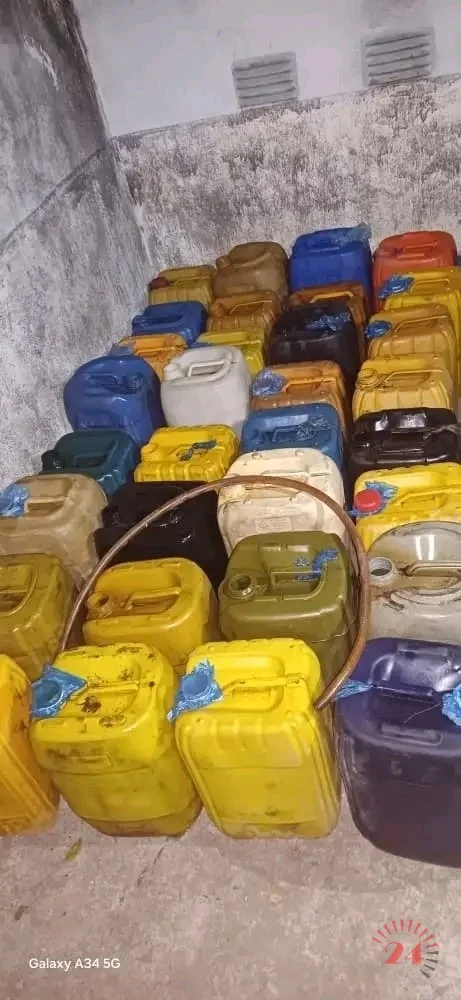
The nation of Malawi is currently grappling with a significant challenge in its fuel market, where illicit activities are exacerbating existing economic hardships for its citizens. Fuel smugglers are actively exploiting prevailing supply shortages across the country, creating an environment ripe for illicit trade. These actors are capitalizing on the scarcity by selling the essential commodity at significantly inflated prices, far exceeding standard market rates.
This exploitative practice directly impacts Malawian consumers, who are already contending with a general increase in the cost of living. The additional burden of exorbitant fuel prices forces households and businesses to allocate even larger portions of their budgets towards transportation and operational costs, further straining their financial resources. The situation highlights a critical vulnerability within the national fuel distribution network.
In response to these concerning developments, the Consumer Association of Malawi (CAMA) has issued a strong condemnation of the practices observed. CAMA specifically highlighted the dual problem of illegal fuel trading and the associated exploitative pricing. The organization emphasized that these activities are directly contributing to the escalating financial pressure experienced by consumers throughout Malawi, calling for urgent attention to the matter.
Regulatory Context and CAMA's Stance
The intervention by the Consumer Association of Malawi underscores the critical role of consumer protection bodies in safeguarding the economic well-being of the populace. CAMA's warning serves as a significant signal regarding the regulatory environment surrounding fuel distribution and pricing in the country. The association's condemnation of "Malawi CAMA illegal fuel trading" practices suggests a heightened focus on ensuring adherence to fair market principles and established "Malawi fuel smuggling regulations."
The issue of "Malawi exploitative pricing laws" comes to the forefront as smugglers leverage supply constraints to dictate terms. While specific statutes were not detailed, CAMA's strong stance implies that such price gouging is considered an unacceptable breach of consumer trust and potentially existing frameworks designed to prevent undue financial burden on citizens. This regulatory scrutiny from CAMA aims to protect consumers from predatory market behaviors that undermine economic stability.
CAMA's public statement reinforces the importance of robust "Malawi consumer protection fuel" policies. It highlights the necessity for vigilance against those who seek to profit unfairly from national shortages. The association's clear message indicates that entities involved in the fuel supply chain, from distributors to retailers, must ensure their operations are fully compliant with ethical standards and any applicable "Malawi fuel smuggling regulations" to avoid contributing to or benefiting from illicit trade.
Why It Matters for Consumers and the Market
The proliferation of illegal fuel trading and the resulting exploitative pricing schemes have profound implications for Malawi's economic landscape and the daily lives of its citizens. The financial strain imposed by these practices is not merely an inconvenience; it represents a significant erosion of purchasing power for Malawians already struggling with a challenging economic climate. This situation can lead to reduced spending on other essential goods and services, potentially dampening overall economic activity.
Furthermore, the unchecked presence of "Malawi CAMA illegal fuel trading" undermines legitimate businesses that adhere to regulated pricing and operational standards. It creates an unfair competitive environment, potentially discouraging investment in compliant "fuel supply chain compliance Malawi" initiatives. The integrity of the national fuel market is compromised when illicit actors can operate with impunity, leading to instability and unpredictability in a vital sector.
CAMA's warning is therefore a critical call to action, emphasizing that the current situation demands a concerted effort to enforce "Malawi fuel smuggling regulations" and uphold "Malawi exploitative pricing laws." Protecting consumers from these predatory practices is essential not only for immediate financial relief but also for fostering a stable and equitable market for fuel, which is a cornerstone of economic activity across the nation.
Practical Implications
Lawyers advising fuel distributors and retailers in Malawi should review their clients' pricing strategies and supply chain compliance to mitigate risks associated with illegal fuel trading and exploitative pricing, as regulatory scrutiny from CAMA is increasing and could lead to enforcement actions.
Source
Source: Original reporting via Malawi24.
How does this affect you?
Get an AI analysis of this article grounded in your jurisdictions, practice areas, and any policy documents you've uploaded to Wansom.
Finish Reading the Full Story and the Expert Analysis.
Get the latest legal & regulatory intelligence in Malawi
Wansom is AI and can make mistakes.