
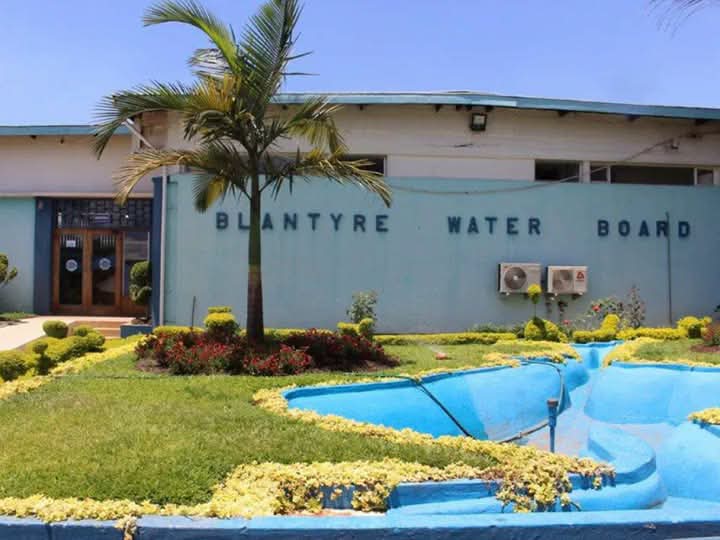
Malawi Government: Blantyre Water Board K24bn Bailout Clears ESCOM Debt
Summary
- The Blantyre Water Board received a K24 billion bailout last year, significantly improving its financial standing.
- This rescue package largely cleared the water board's debt to the Electricity Supply Corporation of Malawi and cut its annual losses by over 70%.
- Key components of the bailout included a K19.2 billion government debt-to-equity conversion and a K5.8 billion saving from a new special energy tariff.
- The intervention was conducted quietly, raising questions about transparency in Malawi's public finance and state-owned enterprise governance.
What Happened
The quiet nature of this K24 billion bailout raises questions regarding transparency in Malawi's public finance management and the governance of its state-owned enterprises.
The Blantyre Water Board, a key public utility in Malawi, received a substantial financial intervention totaling K24 billion last year. This significant rescue package was implemented without public fanfare, aiming to stabilize the struggling state-owned enterprise. The primary objective of this Malawi Blantyre Water Board K24bn bailout was to address the utility's precarious financial position and ensure its operational continuity.
This discreet government action had immediate and profound effects on the water board's financial health. A major outcome was the substantial reduction of its outstanding obligations to the Electricity Supply Corporation of Malawi (ESCOM), effectively clearing the majority of its debt to the power utility. Furthermore, the intervention dramatically improved the Blantyre Water Board's profitability, leading to a reduction in its annual losses by over 70%.
Financial Mechanisms and Impact
The K24 billion rescue package for the Blantyre Water Board was structured around two principal financial mechanisms. A significant portion of the government's existing debt to the water board, amounting to K19.2 billion, was converted into equity. This Malawi government debt-to-equity conversion effectively recapitalized the utility, strengthening its balance sheet and reducing its liabilities.
In addition to the debt restructuring, a special energy tariff was introduced specifically for the Blantyre Water Board. This new tariff regime was designed to alleviate the utility's operational costs, particularly its expenditure on electricity, a major input for water pumping and distribution. The implementation of this special tariff resulted in a substantial saving of K5.8 billion in power costs, directly contributing to the improved financial performance and reduced annual losses experienced by the board. These combined measures represent a comprehensive Malawi public utility finance intervention.
Broader Implications for Governance
The quiet nature of this K24 billion bailout raises questions regarding transparency in Malawi's public finance management and the governance of its state-owned enterprises. Such significant financial interventions, particularly those involving substantial public funds and debt restructuring, typically warrant public disclosure and scrutiny. The lack of open communication surrounding the Blantyre Water Board debt restructuring could set a concerning precedent for future Malawi state-owned enterprise rescue efforts.
This situation underscores the challenges inherent in managing public utilities and the potential for opaque financial dealings when these entities face distress. While the immediate goal was to stabilize the Blantyre Water Board, the method of its execution could impact public trust and accountability frameworks within Malawi's governmental and parastatal sectors. It highlights the delicate balance between urgent financial stabilization and adherence to principles of good governance.
Legal and Regulatory Considerations
From a legal and regulatory perspective, the Blantyre Water Board's K24 billion bailout, particularly its debt-to-equity conversion and the introduction of special tariffs, presents several points of interest for legal professionals. Lawyers advising creditors of other Malawian state-owned enterprises, such as the Electricity Supply Corporation of Malawi debt holders, will need to closely examine the implications of such government interventions. The precedent set by this "secret" rescue could influence future expectations regarding government support for struggling parastatals.
Furthermore, the implementation of a special energy tariff for a single entity might raise questions about regulatory fairness and potential impacts on market competition within the utility sector. Legal counsel involved in public finance compliance should monitor whether these types of bespoke arrangements adhere to existing regulatory frameworks and procurement laws. The overall transparency of such large-scale financial maneuvers is crucial for maintaining investor confidence and ensuring equitable treatment among various stakeholders in Malawi's economic landscape.
Practical Implications
This 'secret' K24 billion bailout of Blantyre Water Board, involving debt-to-equity conversion and special tariffs, highlights potential issues in Malawi's public finance transparency and state-owned enterprise governance. Lawyers advising creditors of other Malawian SOEs or those involved in public finance compliance should monitor similar government interventions for regulatory adherence, potential precedents, and impacts on creditor rights or market competition.
Source
How does this affect you?
Get an AI analysis of this article grounded in your jurisdictions, practice areas, and any policy documents you've uploaded to Wansom.
Finish Reading the Full Story and the Expert Analysis.
Wansom is AI and can make mistakes.