
Malawi: Advocates Urge Swift African Disability Protocol Domestication
Summary
- Disability advocates are urging Malawi to accelerate the domestication of the African Disability Protocol (ADP).
- The primary goal is to provide stronger protection against discrimination and exclusion for women with disabilities.
- Sightsavers Programme Officer Naomi Kalua made this call during a workshop in Blantyre, co-organized with FEDOMA.
- Domestication would integrate the ADP's provisions into national law, impacting disability rights and anti-discrimination compliance.
What Happened
Lawyers and compliance officers in Malawi should closely monitor the progress of the African Disability Protocol's domestication, as it signals upcoming legislative changes that will impact disability rights, employment practices, and anti-discrimination compliance for businesses and public sector entities.
Advocacy groups in Malawi are intensifying their calls for the swift domestication of the African Disability Protocol (ADP), an international instrument designed to bolster the rights of individuals with disabilities across the continent. This concerted push aims to integrate the protocol's provisions directly into Malawi's national legal framework, thereby strengthening protections for a vulnerable segment of the population. The primary focus of this advocacy is to ensure enhanced safeguards for women with disabilities, who often face compounded challenges related to discrimination and social exclusion.
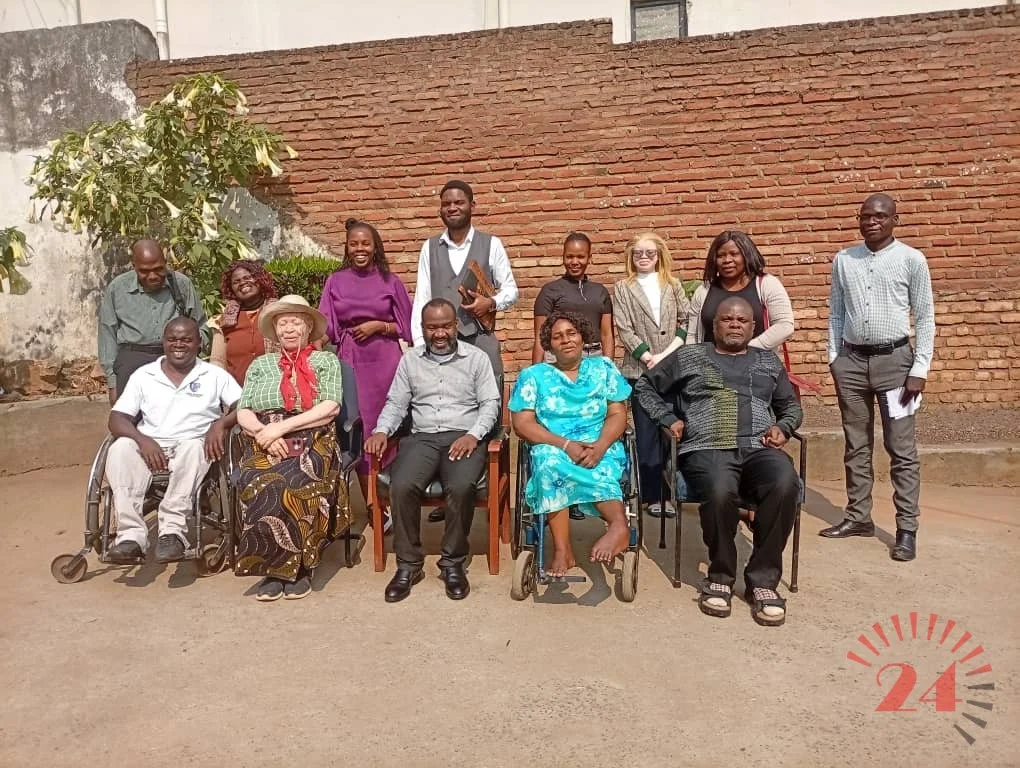
The urgency of this appeal was recently underscored by Naomi Kalua, a Programme Officer representing Sightsavers, during a pivotal strategy workshop. This event, held in Blantyre, served as a platform for stakeholders to coordinate efforts and articulate the critical need for legislative action. The workshop itself was a collaborative initiative, jointly organized by Sightsavers and the Federation of Disability Organisations in Malawi (FEDOMA), signaling a unified front among key disability rights organizations in the country. Their collective voice emphasizes the transformative potential of the ADP in addressing systemic inequalities.
Legal Context: The African Disability Protocol and Domestication
The African Disability Protocol (ADP) represents a significant regional commitment to disability rights, building upon broader international human rights instruments. For Malawi, the process of ADP Malawi implementation, or "domestication," involves a series of legislative and policy steps to translate the protocol's principles and obligations into enforceable national law. This integration is crucial because, while Malawi may be a signatory to international treaties, their provisions typically do not become legally binding within the country until they are formally incorporated into domestic statutes.
Accelerating this domestication process is seen by advocates as a vital step toward creating a more inclusive legal environment. Once domesticated, the ADP would likely influence and potentially amend existing Malawi disability rights legislation, strengthening anti-discrimination provisions and ensuring greater accountability. Lawyers and compliance officers in Malawi should closely monitor the progress of the African Disability Protocol's domestication, as it signals upcoming legislative changes that will impact disability rights, employment practices, and anti-discrimination compliance for businesses and public sector entities. This proactive engagement is essential to prepare for new legal obligations and ensure adherence to evolving standards of inclusivity.
Why Domestication Matters for Disability Rights
The central argument for expediting the domestication of the African Disability Protocol in Malawi revolves around its potential to provide stronger, more explicit protections against discrimination and exclusion, particularly for women with disabilities. This demographic often experiences unique barriers, including gender-based violence, limited access to education and healthcare, and significant economic marginalization, in addition to the challenges faced by people with disabilities generally. By embedding the ADP's specific provisions into national law, Malawi can establish a robust legal basis to address these intersecting forms of discrimination and enhance Malawi anti-discrimination law.
The advocacy efforts by groups such as Sightsavers Malawi advocacy and FEDOMA African Disability Protocol initiatives are crucial in highlighting these disparities and pushing for legislative remedies. Domestication would not only empower individuals with disabilities by providing clearer legal recourse but also compel institutions and society at large to adopt more inclusive practices. This includes fostering equitable employment opportunities, ensuring accessibility in public spaces, and challenging discriminatory attitudes. Ultimately, the successful domestication of the ADP would mark a significant advancement in Malawi's commitment to human rights, fostering a society where women with disabilities can participate fully and equally, free from prejudice and systemic barriers.
Practical Implications
Lawyers and compliance officers in Malawi should closely monitor the progress of the African Disability Protocol's domestication, as it signals upcoming legislative changes that will impact disability rights, employment practices, and anti-discrimination compliance for businesses and public sector entities.
Source
Source: Original reporting via Malawi24
How does this affect you?
Get an AI analysis of this article grounded in your jurisdictions, practice areas, and any policy documents you've uploaded to Wansom.
Finish Reading the Full Story and the Expert Analysis.
Get the latest legal & regulatory intelligence in Malawi
Wansom is AI and can make mistakes.