
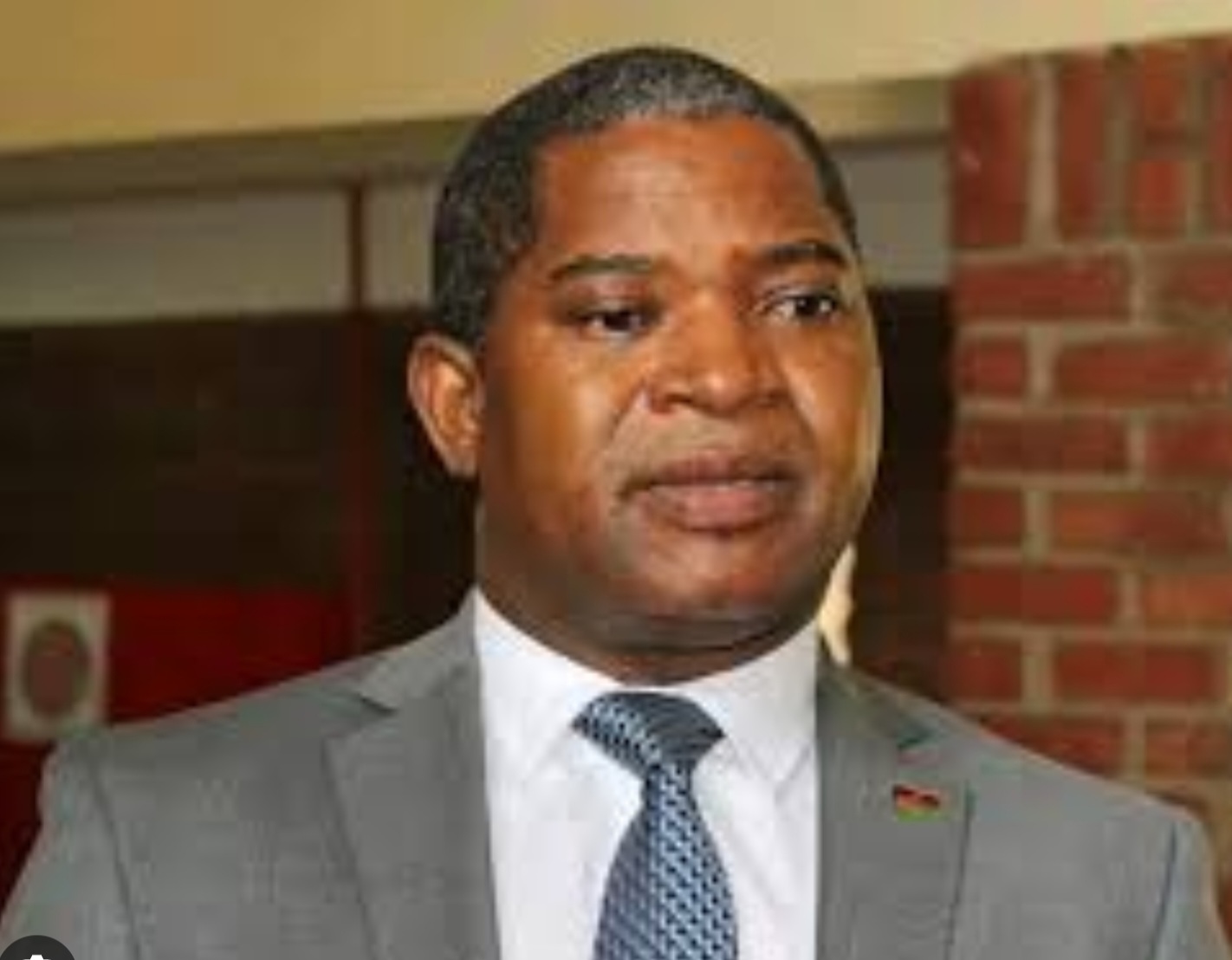
Malawi ACB: Collins Magalasi Arrested Over Amaryllis Hotel Deal
Summary
- Former MERA boss Collins Magalasi was arrested by the Anti-Corruption Bureau (ACB) early this morning.
- The arrest is linked to alleged cash withdrawals connected to the controversial Amaryllis Hotel deal.
- Magalasi was apprehended in Area 49, Lilongwe, and is currently held at Lumbadzi police station.
- National Police spokesperson Gladys Chiwawula confirmed the arrest, stating further details would be provided later.
Key Development
The Malawi Anti-Corruption Bureau's decisive action represents a significant step in the broader efforts to address alleged financial irregularities and corruption within the public sector.
Collins Magalasi, who previously served as the director general of the Malawi Energy Regulatory Authority (MERA), has been apprehended by the Anti-Corruption Bureau (ACB) in connection with an ongoing inquiry into the contentious Amaryllis Hotel deal. The arrest of the former MERA boss Magalasi took place in the early hours of the morning, specifically around 5:00 AM today, within Area 49 in Lilongwe. Following his apprehension, Magalasi was transported to and is currently being detained at Lumbadzi police station, where he awaits further processing as the investigation progresses.
The Malawi Anti-Corruption Bureau's decisive action represents a significant step in the broader efforts to address alleged financial irregularities and corruption within the public sector. The arrest was officially confirmed by National Police spokesperson Gladys Chiwawula, who indicated that additional details concerning the specifics of the case would be made public as the investigation unfolds. This development underscores the ACB's proactive stance in pursuing individuals implicated in high-profile corruption allegations, particularly those involving public funds or assets, reinforcing the agency's mandate to uphold integrity.
Allegations and Investigative Focus
The core of the allegations leading to Magalasi's arrest centers on purported cash withdrawals directly linked to the Amaryllis Hotel deal, an arrangement that has previously garnered significant public and media scrutiny for its controversial nature. As the former head of MERA, a vital regulatory body overseeing Malawi's energy sector, Magalasi's involvement in such transactions, if proven, would raise serious questions about governance and financial oversight during his tenure. The Malawi Anti-Corruption Bureau, as the nation's principal agency dedicated to combating graft, is meticulously examining these financial movements as part of its comprehensive Amaryllis Hotel deal investigation.
This inquiry is part of a wider governmental initiative to tackle Malawi public sector corruption, which has been a persistent challenge for national development and public trust. The specific focus on alleged cash withdrawals suggests that investigators are tracing the flow of funds and scrutinizing financial records associated with the contentious agreement with considerable detail. The ACB arrests Magalasi, a figure of considerable public profile, signaling a commitment to hold even former senior officials accountable for their actions, thereby reinforcing the rule of law and promoting transparency in public administration.
Broader Implications for Accountability
The apprehension of a former high-ranking official such as Collins Magalasi by the Anti-Corruption Bureau sends a powerful message about the intensified campaign against corruption across all tiers of government and state-owned enterprises in Malawi. Such robust enforcement actions by the Malawi Anti-Corruption Bureau are considered vital for bolstering institutional integrity, restoring public confidence, and deterring future acts of misconduct within the public service. The ongoing Amaryllis Hotel deal investigation, therefore, serves as a prominent example of these concerted efforts to clean up public administration and ensure accountability.
The case, which involves allegations of MERA boss Magalasi corruption, is anticipated to be closely monitored by legal professionals, civil society organizations, and the general public for its potential to establish important precedents in the handling of high-level public sector corruption cases within Malawi. The official confirmation of the arrest by the National Police spokesperson further highlights the collaborative approach adopted by various law enforcement agencies in addressing such serious allegations. As the investigation progresses, its outcomes will undoubtedly offer further insights into the efficacy of accountability mechanisms and the commitment to transparency being implemented across the nation's public administration landscape, potentially influencing future corporate governance standards.
Practical Implications
Lawyers advising clients involved in public sector contracts or facing corruption allegations in Malawi should monitor this case for precedents on ACB enforcement actions and potential implications for corporate governance and due diligence, particularly concerning transactions with public officials.
Source
How does this affect you?
Get an AI analysis of this article grounded in your jurisdictions, practice areas, and any policy documents you've uploaded to Wansom.
Finish Reading the Full Story and the Expert Analysis.
Wansom is AI and can make mistakes.