
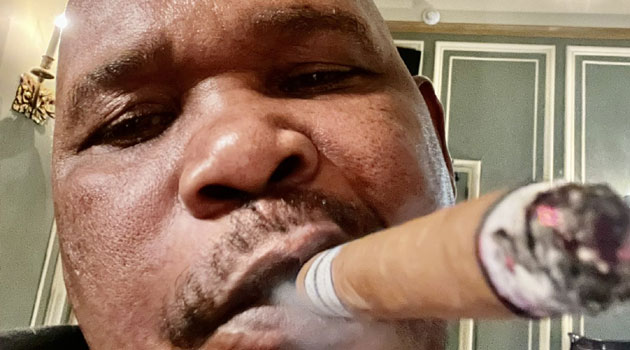
Makau Mutua: Kenya Enforces Foreign Trader Rules, Not Xenophobia
Summary
- Makau Mutua, President Ruto's advisor, stated on September 7 that enforcing rules for foreign nationals in Kenya is "responsible governance," not xenophobia.
- President Ruto warned on September 2 that certain small-scale businesses might be reserved for Kenyans, citing the Local Content Bill before Parliament.
- Foreign Affairs Principal Secretary Korir Sing'oei clarified that the government targets non-compliance, not nationality, and legally operating foreigners are protected.
- The Ministry of Investments, Trade and Industry (MITI) confirmed that visa-free entry does not grant work or trade rights, requiring proper work permits and regulatory adherence.
- The Local Content Bill aims to prevent foreigners from engaging in activities like hawking and small-scale retail, emphasizing strict Kenya foreign work permit compliance.
Intensified Scrutiny on Foreign Traders in Kenya
Makau Mutua, Senior Advisor on Constitutional Affairs to President William Ruto, articulated this position on September 7, emphasizing that requiring foreign nationals to regularize their status, adhere to Kenyan laws, and participate in economic activities that benefit the nation constitutes "responsible governance."
Kenya is intensifying its enforcement of regulations governing foreign nationals engaged in business and employment within its borders, a move senior government officials assert is a legitimate exercise of state authority rather than xenophobia. Makau Mutua, Senior Advisor on Constitutional Affairs to President William Ruto, articulated this position on September 7, emphasizing that requiring foreign nationals to regularize their status, adhere to Kenyan laws, and participate in economic activities that benefit the nation constitutes "responsible governance." He underscored the fundamental role of a state in controlling its borders, framing the Makau Mutua Kenya foreign trader rules as essential for national sovereignty.
This stance follows President Ruto's earlier remarks on September 2, delivered at State House to small traders, where he indicated that certain business categories, particularly small-scale retail and informal trade, might be reserved exclusively for Kenyan citizens. These comments arose amidst complaints from local traders regarding unfair competition from foreign counterparts. While President Ruto's statements initially sparked concern among some foreign nationals, particularly those from neighboring countries, the government has since clarified its focus. Foreign Affairs Principal Secretary Korir Sing'oei explained that the President's remarks were "taken out of context," asserting that the administration's efforts target non-compliance with existing regulations, not individuals based on their nationality.
Navigating Kenya's Regulatory Landscape
Principal Secretary Korir Sing'oei provided assurances that foreign nationals operating legally in Kenya, possessing the requisite documentation such as work permits and licenses, remain protected under Kenyan law. He specifically extended this reassurance to citizens of Burundi and other African nations, affirming their freedom to reside and conduct business in Kenya provided they comply with the country's legal requirements. This clarification underscores the government's commitment to upholding the rights of compliant foreign nationals while simultaneously addressing unauthorized economic activities, reinforcing the importance of Kenya foreign work permit compliance.
Further reinforcing this regulatory framework, the Ministry of Investments, Trade and Industry (MITI) has clarified that neither visa-free entry nor exemption from eTA requirements automatically confers the right to engage in employment, trade, or business activities in Kenya. MITI emphasized that all such activities remain subject to the applicable immigration, work permit, and other regulatory requirements. The Ministry noted that some visitors have reportedly misused their immigration status by entering Kenya under tourist or investor visas and subsequently engaging in unauthorized work or trade, highlighting the strict nature of MITI foreign investment rules Kenya.
The Local Content Bill and Future Restrictions
The ongoing debate surrounding the Local Content Bill, currently before Parliament, provides the legislative backdrop for President Ruto's pronouncements. Principal Secretary Sing'oei explicitly linked the President's September 2 statements to discussions surrounding this proposed legislation. President Ruto urged Members of Parliament to thoroughly scrutinize the Bill and "seal all the loopholes" to prevent foreign nationals from engaging in specific types of small-scale commerce.
The President specifically cited concerns about individuals from countries like China or elsewhere entering Kenya to work as hawkers or operate small retail shops. He stressed the importance of preventing a situation where foreign nationals undertake such small-scale retail businesses. The proposed legislation aims to reserve certain business sectors for Kenyan citizens, reflecting a broader policy objective to protect local enterprises from foreign competition in specific areas, thereby shaping future Kenya Local Content Bill foreigners regulations.
Implications for Foreign Nationals and Businesses
The renewed focus on enforcing existing regulations and the potential for new legislation through the Kenya Local Content Bill foreigners will significantly impact foreign individuals and businesses operating or planning to operate in the country. The government's consistent message, articulated by Makau Mutua, is that requiring foreign nationals to adhere to legal frameworks is a matter of "responsible governance" and border control, not an act of xenophobia. This signals a clear intent for President Ruto foreign business enforcement to be robust and consistent.
For foreign nationals, the emphasis is squarely on strict adherence to immigration, work permit, and business registration requirements. Those with proper documentation are assured protection, while those without face increased scrutiny and potential enforcement actions. The ongoing parliamentary consideration of the Local Content Bill suggests that the landscape for foreign participation in certain sectors may evolve, making it crucial for foreign investors and traders to stay informed about legislative developments and ensure full compliance with all Kenyan laws.
Practical Implications
Lawyers advising foreign clients operating or seeking to operate in Kenya must ensure strict compliance with existing immigration, work permit, and business registration requirements, as enforcement is intensifying. They should also closely monitor the progression of the Local Content Bill, which could introduce new restrictions on foreign participation in specific business sectors.
Source
How does this affect you?
Get an AI analysis of this article grounded in your jurisdictions, practice areas, and any policy documents you've uploaded to Wansom.
Finish Reading the Full Story and the Expert Analysis.
Wansom is AI and can make mistakes.