
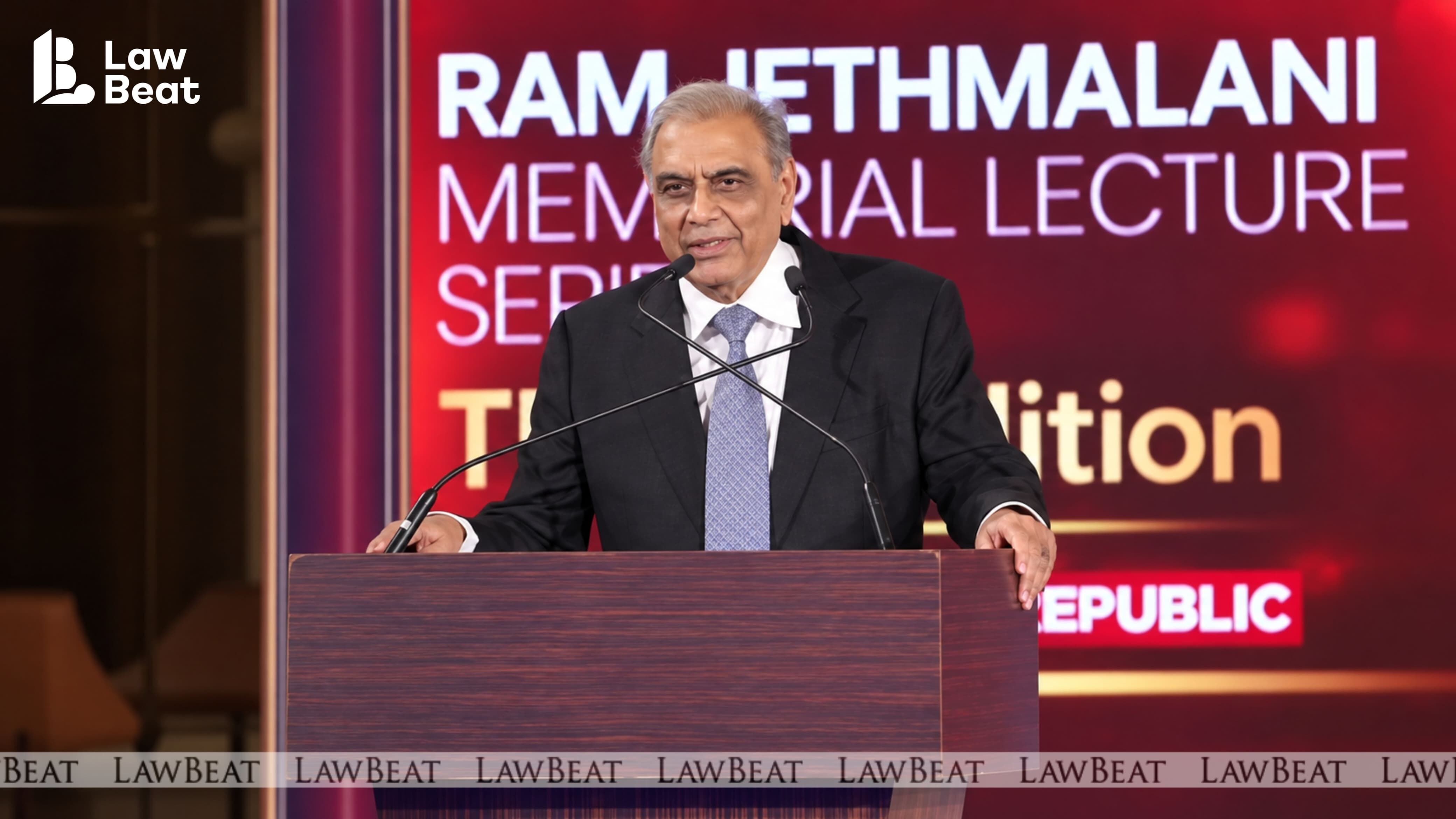
Mahesh Jethmalani: Calls For India Judicial Transparency Reforms
Summary
- Senior Advocate Mahesh Jethmalani advocated for enhanced institutional transparency across India's judiciary, tribunals, and Bar at the Ram Jethmalani Memorial Lecture Series 2026.
- He criticized the lack of public findings and an FIR in a high-profile case involving a High Court judge, citing "staggering damage" to the legal system.
- Jethmalani called for greater openness in the collegium's appointment and transfer processes and proposed a pan-India database for complaints against subordinate judges.
- He also raised concerns about corruption and delays in tribunals, particularly those under the IBC, suggesting a national data grid or restoration of jurisdiction to High Courts.
Calls for Enhanced Judicial Transparency
This pivotal call from Mahesh Jethmalani for India judicial transparency highlights a growing concern regarding the integrity and public perception of legal processes.
Senior Advocate Mahesh Jethmalani recently delivered a compelling address at the sixth edition of the Ram Jethmalani Memorial Lecture Series 2026, advocating for significant enhancements in institutional transparency across India's legal landscape. His remarks underscored the critical importance of openness within the judiciary, various tribunals, and the Bar itself, asserting that such measures are fundamental to rebuilding and fortifying public confidence in the justice system. Jethmalani emphasized that any meaningful effort towards greater transparency in the legal system must originate from the very institutions and individuals entrusted with the administration of justice. This pivotal call from Mahesh Jethmalani for India judicial transparency highlights a growing concern regarding the integrity and public perception of legal processes.
The central theme of this year's lecture revolved around the intricate relationship between institutional transparency and public trust. Jethmalani's address served as a powerful reminder that without clear and accountable processes, the foundational trust citizens place in their legal institutions can erode. His comprehensive appeal for Indian judiciary transparency reforms spanned various levels of the justice system, from the highest courts to specialized tribunals, signaling a broad need for systemic improvements.
Addressing High-Profile Judicial Misconduct
During his lecture, Jethmalani specifically referenced a deeply troubling incident involving a sitting High Court judge, Justice Yashwant Varma, where cash was reportedly discovered in an outhouse following a fire on March 14, 2025. This episode, he stated, inflicted “staggering damage” upon the entire legal system's credibility. While the judge in question resigned on April 9, 2026, and a three-judge committee was convened to investigate the matter, Jethmalani pointed out a critical lapse: the findings of this inquiry committee were tabled in Rajya Sabha on August 12, 2026, making them public.
Furthermore, he highlighted the alarming fact that nearly a year and a half after the incident, no First Information Report (FIR) had been registered. This absence of formal legal action raised significant questions about accountability, particularly concerning who possessed the authority to initiate proceedings after the judge's resignation. Jethmalani pondered whether the police or the Central Bureau of Investigation (CBI) could now register an FIR, or if, in light of the Supreme Court's Viraswami decision, the Chief Justice of India would need to advise the President that an investigation was warranted. He stressed that given the profound harm caused by this event, swift and transparent action was an absolute necessity.
Reforming Appointments and Subordinate Judiciary Oversight
Mahesh Jethmalani also directed his appeal for greater transparency towards the functioning of the collegium, specifically regarding the appointment and transfer processes for judges in the higher judiciary. He cautioned that a lack of openness in these critical procedures could foster “suspicion of favoritism and victimization,” thereby undermining the impartiality and meritocracy essential for judicial appointments. This particular aspect of his address underscores the ongoing debate surrounding collegium transparency India.
Shifting focus to the subordinate judiciary, Jethmalani observed that public perception of judicial corruption reaches its peak at this level. He identified a significant systemic gap: the absence of a publicly accessible database detailing the number of complaints lodged against subordinate judges with state vigilance mechanisms, along with the subsequent investigation or disciplinary outcomes. To address this, he proposed the establishment of a pan-India database that would meticulously record complaints against judges and the actions taken. Jethmalani cited Uttarakhand as a notable exception, where its High Court vigilance mechanism documented 258 complaints of judicial corruption between January 2020 and April 2025, yet only four of these led to disciplinary or criminal action. Such a database, he argued, would be instrumental in discerning whether the low number of disciplinary outcomes stemmed from frivolous complaints or inadequate investigations, while also enabling real-time detection of delays in processing complaints.
Tackling Tribunal Corruption and Delays
Concerns about corruption and protracted delays within India's tribunal system, particularly those operating under the Insolvency and Bankruptcy Code (IBC), were another key area addressed by Jethmalani. He put forth two potential solutions to mitigate these issues. One suggestion involved implementing closer oversight of tribunals through the creation of a national tribunal data grid. This grid, he specified, should extend beyond merely logging case numbers, pendency rates, and disposal statistics.
Alternatively, Jethmalani proposed the complete abolition of the tribunalisation of bankruptcy jurisdiction, advocating for the restoration of such powers to the High Courts. His emphasis on addressing IBC tribunal corruption India highlights the urgent need for structural or procedural reforms to ensure efficiency and integrity in these specialized judicial bodies. The proposed national tribunal data grid aims to bring a new level of accountability and insight into the operational dynamics of these crucial legal forums.
Practical Implications
Lawyers and compliance officers in India should note the high-level calls for increased transparency in the judiciary, collegium, and tribunals (especially IBC), as these discussions signal potential future reforms that could impact judicial processes, appointments, and the overall integrity framework of the legal system. Awareness of these ongoing debates is crucial for anticipating changes and advising clients on evolving compliance landscapes.
Source
How does this affect you?
Get an AI analysis of this article grounded in your jurisdictions, practice areas, and any policy documents you've uploaded to Wansom.
Finish Reading the Full Story and the Expert Analysis.
Get the latest legal & regulatory intelligence in India
Wansom is AI and can make mistakes.