
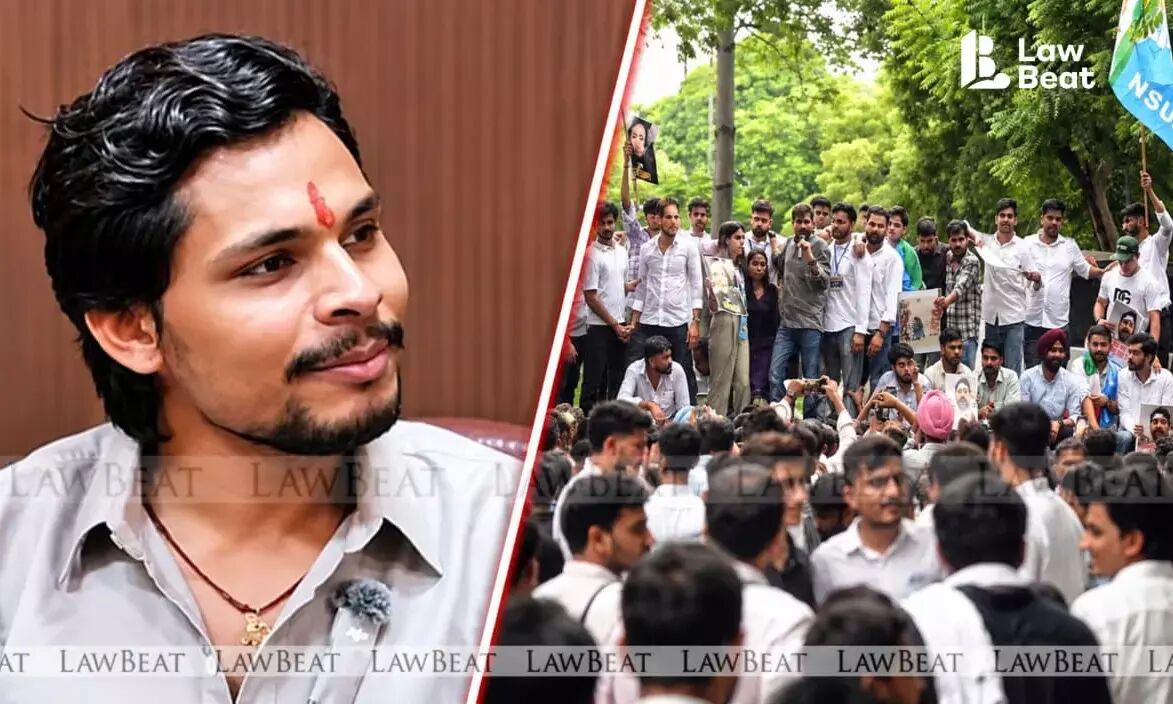
Patiala House Court: Swatantra Bhardwaj Gets Interim Bail in Delhi SC/ST Act Case
Summary
- Delhi's Patiala House Court granted Swatantra Bhardwaj three weeks of interim bail.
- The bail was issued in a case stemming from an alleged assault at Jantar Mantar, involving the SC/ST Act.
- The court cited "probe gaps" and "belated allegations" as factors in its decision to grant interim bail.
- Police were directed to thoroughly examine CCTV, electronic evidence, call records, videos, and podcasts.
- Bhardwaj was strictly barred from all public communication, including social media, regarding the case as a bail condition.
Interim Bail Granted Amidst Strict Conditions
The court's willingness to grant interim bail based on identified "probe gaps" and "belated allegations" provides a precedent for arguing that even serious charges warrant a meticulous and timely investigation before pre-trial detention is deemed necessary.
Delhi's Patiala House Court recently granted Swatantra Bhardwaj three weeks of interim bail in connection with an alleged assault that occurred at Jantar Mantar. This decision comes as authorities continue to investigate the incident, which has drawn significant attention. The court's order reflects a careful consideration of the circumstances surrounding the case.
A crucial aspect of the interim bail for Swatantra Bhardwaj involves stringent conditions placed on his public conduct. The court explicitly prohibited him from issuing any public statements, engaging in social media posts, participating in podcasts, giving interviews, or making any other form of public communication related to the ongoing legal matter. This broad restriction aims to prevent any potential interference with the investigation or public perception of the case.
Court's Scrutiny of Evidence and Allegations
The Patiala House Court's decision to grant interim bail to Swatantra Bhardwaj was significantly influenced by its observations regarding the investigative process and the nature of the allegations. The court underscored the presence of what it termed "probe gaps" in the initial investigation, suggesting that further scrutiny was required to establish the full facts of the case. This critical assessment of the police's preliminary work played a pivotal role in the interim relief provided.
Furthermore, the court took into account the "belated allegations" made under the Scheduled Castes and Scheduled Tribes (Prevention of Atrocities) Act, commonly known as the SC/ST Act. The timing of these serious accusations appears to have raised questions for the court, prompting a need for a more thorough examination before a definitive conclusion could be reached. This aspect highlights the court's cautious approach when confronted with delayed reporting of serious offenses.
In its directive, the Delhi Court mandated that law enforcement agencies undertake a comprehensive review of all available evidence. This includes meticulously examining CCTV footage, electronic records, and call data. Additionally, police were instructed to verify the authenticity of any videos and podcasts pertinent to the alleged incident. This emphasis on digital and electronic evidence underscores the modern judiciary's recognition of its importance in contemporary legal proceedings.
Social Media as a Tool for Intimidation
A notable observation from the Delhi Court during the proceedings was its recognition of social media's evolving role, specifically noting that it "can become a new medium of intimidation." This statement reflects a growing judicial awareness of the potential for online platforms to be misused, not just for communication but also for exerting undue pressure or influencing public opinion in ongoing legal matters.
This concern directly informed the strict conditions imposed on Swatantra Bhardwaj's interim bail. By barring him from all forms of public communication, including social media posts and podcasts, the court sought to mitigate any risk of intimidation or prejudice stemming from his online or public presence. The court's stance highlights a proactive approach to managing the impact of digital interactions on justice.
Implications for Legal Practice and SC/ST Act Cases
This ruling from the Patiala House Court offers significant insights for legal practitioners, particularly concerning bail applications in cases involving the SC/ST Act. The court's willingness to grant interim bail based on identified "probe gaps" and "belated allegations" provides a precedent for arguing that even serious charges warrant a meticulous and timely investigation before pre-trial detention is deemed necessary. Lawyers should note this emphasis on the quality and timing of evidence.
The directive for police to thoroughly examine electronic evidence, including CCTV, call records, videos, and podcasts, underscores the judiciary's expectation for comprehensive digital forensics in modern cases. This reinforces the importance of advising clients on the preservation and potential scrutiny of their digital footprint.
Finally, the strict social media restrictions imposed on Swatantra Bhardwaj serve as a critical reminder for legal counsel. Such conditions are increasingly becoming a standard component of bail orders, especially when public communication could impact the case. Advising clients on the absolute necessity of adhering to these prohibitions is paramount, as any violation could lead to the revocation of bail. This case exemplifies how courts are adapting to the challenges posed by digital communication in legal proceedings.
Practical Implications
Lawyers should note the Delhi Court's reasoning for granting interim bail, emphasizing probe gaps, belated allegations, and the need for thorough electronic evidence examination, even in cases involving the SC/ST Act. This provides a precedent for arguing bail applications and highlights the importance of advising clients on strict social media restrictions as a bail condition.
Source
How does this affect you?
Get an AI analysis of this article grounded in your jurisdictions, practice areas, and any policy documents you've uploaded to Wansom.
Finish Reading the Full Story and the Expert Analysis.
Get the latest legal & regulatory intelligence in India
Wansom is AI and can make mistakes.