
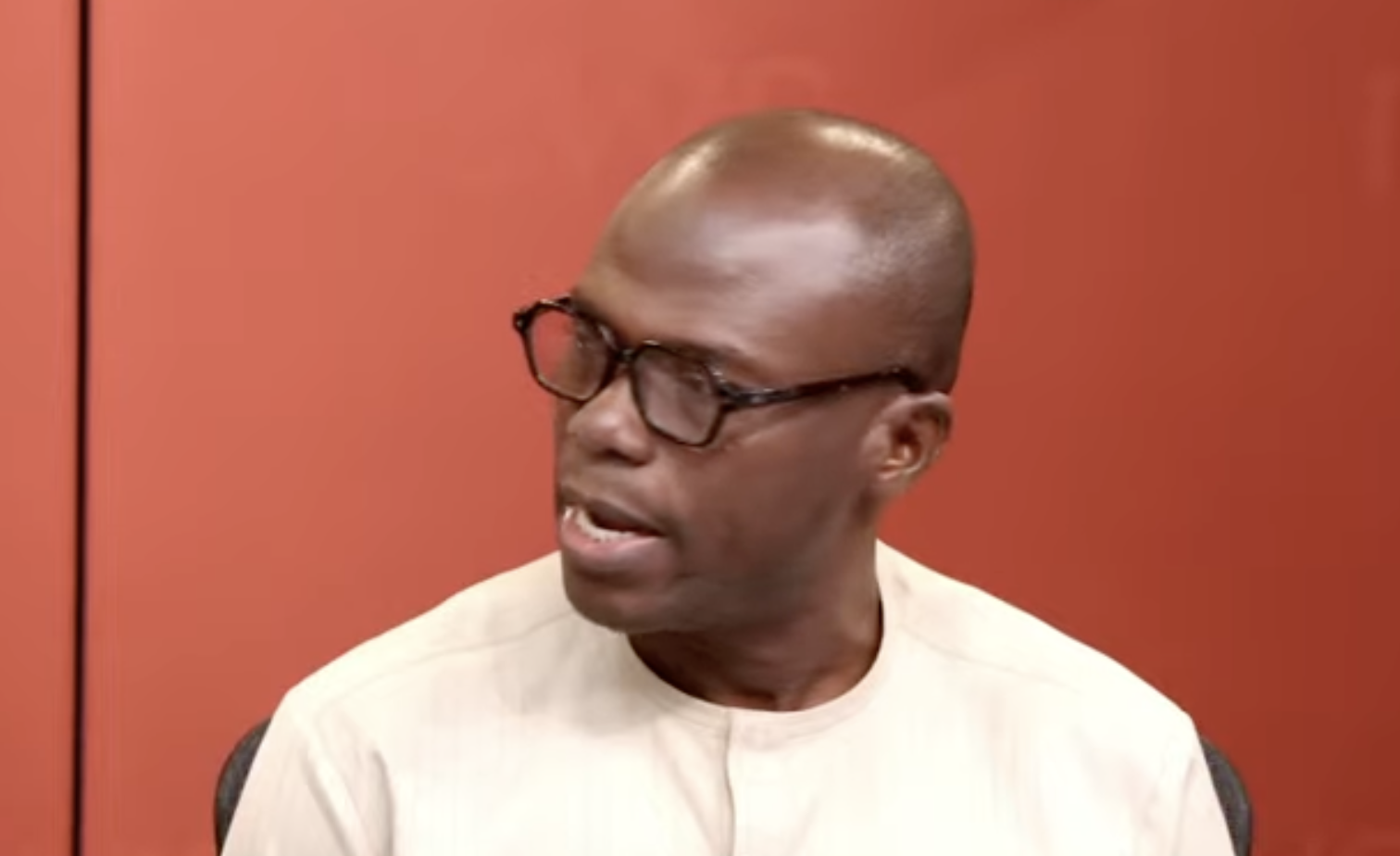
MFWA: Mahama Ghana Constitutional Reform Action Imperative
Summary
- Sulemana Braimah, Executive Director of the Media Foundation for West Africa (MFWA), expressed cautious optimism regarding Ghana's constitutional reform efforts.
- He urged leaders like Mahama to translate constitutional reform promises into concrete action.
- Braimah believes the government's renewed initiative offers an opportunity to address longstanding governance challenges.
A Call for Action on Constitutional Reform
His remarks underscore a critical juncture for the nation's governance framework, as he specifically urged key figures, including President John Dramani Mahama, to ensure that commitments made towards constitutional reform are translated into tangible action.
Sulemana Braimah, who serves as the Executive Director for the Media Foundation for West Africa (MFWA), has recently articulated a measured sense of hope regarding the ongoing push for significant changes to Ghana's foundational legal document. His remarks underscore a critical juncture for the nation's governance framework, as he specifically urged key figures, including President John Dramani Mahama, to ensure that commitments made towards constitutional reform are translated into tangible action. This call highlights the imperative for leadership to drive the process forward, moving beyond mere declarations to concrete implementation, thereby addressing the critical need for Mahama Ghana constitutional reform action.
Braimah's perspective is rooted in the belief that the current momentum, characterized by the government's renewed focus on this vital area, presents a unique and timely opportunity. He views these efforts not merely as procedural steps but as a chance to confront and resolve deep-seated issues that have historically impacted the country's administrative and political structures. The emphasis is on leveraging this period of renewed attention to enact meaningful and lasting improvements to Ghana's constitutional architecture, thereby addressing the core of its longstanding governance challenges.
The Broader Context of Ghana's Governance Reform
The discourse surrounding Ghana's constitutional review agenda is not new, reflecting a continuous national conversation about refining the legal framework that underpins the country's democratic institutions. Organizations like the Media Foundation for West Africa, under the leadership of individuals such as Sulemana Braimah, frequently play a pivotal role in advocating for such systemic improvements. Their engagement often centers on ensuring that any proposed Ghana governance reform proposals genuinely serve the public interest and strengthen democratic accountability. The current renewed efforts by the government signal a potential acceleration of these discussions, bringing the prospect of significant Ghana legal framework changes closer to realization.
These reforms are typically aimed at enhancing institutional effectiveness, protecting fundamental rights, and ensuring a more equitable distribution of power. Addressing "longstanding governance challenges" often involves scrutinizing areas such as presidential powers, parliamentary oversight, judicial independence, decentralization, and electoral processes. The cautious optimism expressed by the MFWA's executive director suggests an acknowledgment of the complexities involved in such an undertaking, while simultaneously recognizing the potential for positive transformation if these efforts are pursued with genuine commitment and broad consensus. The historical context of constitutional reviews in West Africa further emphasizes the importance of sustained political will to overcome potential obstacles.
Implications for Ghana's Legal Landscape
The push for constitutional reform carries profound implications for Ghana's legal and political landscape. Should the government's renewed efforts, championed by figures like President Mahama, culminate in substantive changes, the very fabric of the nation's legal framework could be significantly re-shaped. Such reforms could redefine the powers and responsibilities of various state institutions, alter the rights and duties of citizens, and introduce new mechanisms for accountability and transparency. This potential for widespread impact underscores why civil society groups, including the West Africa Media Foundation Ghana, closely monitor and engage with these processes.
The significance of turning promises into action, as highlighted by MFWA Sulemana Braimah Mahama, cannot be overstated. A robust and adaptable constitution is crucial for national stability and progress, especially in a dynamic democratic environment. Failure to capitalize on the current opportunity could perpetuate existing governance challenges, while successful implementation could usher in an era of enhanced legal certainty and improved public administration. The ongoing dialogue surrounding these reforms therefore represents a critical moment for Ghana, with the potential to solidify its democratic gains and address systemic issues through a strengthened constitutional order.
Practical Implications
Legal professionals in Ghana should monitor the progress of these constitutional reform discussions, as any enacted changes could significantly alter the legal and regulatory landscape, impacting client advice and compliance strategies.
Source
How does this affect you?
Get an AI analysis of this article grounded in your jurisdictions, practice areas, and any policy documents you've uploaded to Wansom.
Finish Reading the Full Story and the Expert Analysis.
Wansom is AI and can make mistakes.