
MP High Court: Upholds IT Rules Intermediary Content Removal
Summary
- The Madhya Pradesh High Court dismissed a challenge to Rule 3(1)(b)(iv) of the IT Intermediary Rules, 2021, on September 17, 2026.
- The ruling affirms that social media platforms like Instagram, as intermediaries, have the right and obligation to remove content infringing proprietary rights.
- Content creator Anmol Jain challenged the rule after Instagram removed his posts due to copyright complaints, alleging constitutional violations and lack of natural justice.
- The court found the rule constitutional, citing robust grievance mechanisms, including a Grievance Officer and a Grievance Appellate Committee, as sufficient safeguards.
- The decision reinforces that user recourse for content removal disputes lies within these established grievance procedures, rather than through constitutional challenges to the rules.
What Happened
The court concluded that these provisions offer "enough safeguard" for both complainants and users to address their grievances, thereby negating any claim that the rule is unconstitutional.
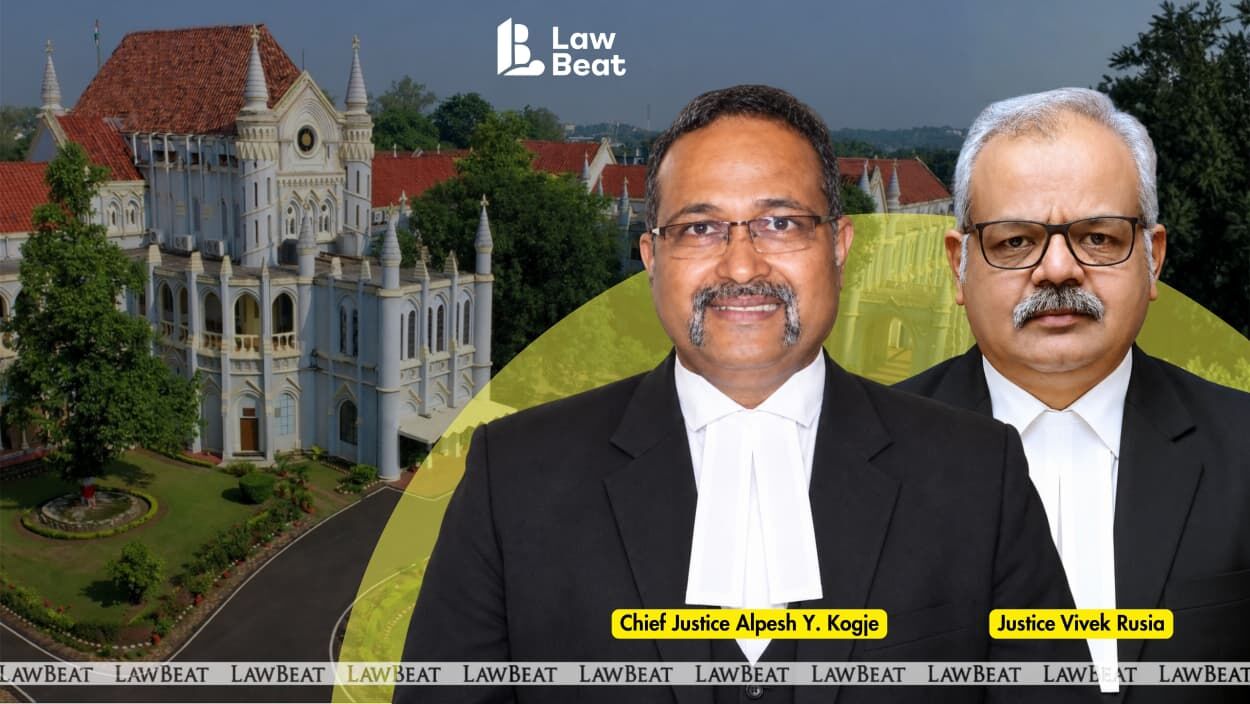
The Madhya Pradesh High Court recently upheld the right of social media platforms, specifically Instagram, to remove content deemed to infringe upon proprietary rights. This decision came on September 17, 2026, as a Division Bench comprising Chief Justice Alpesh Y. Kogje and Justice Vivek Rusia dismissed a writ petition filed by content creator Anmol Jain. Jain, who operates the Instagram account "memexnasha" and has cultivated approximately 39,000 followers since 2019, asserted that this account is a significant source of his income.
The dispute arose after Instagram notified Jain via email that some of his posts had been removed due to copyright infringement complaints. Content originally posted in April 2025 was taken down on July 6, 2025, without what Jain claimed was prior notice or a hearing. He subsequently complained on July 25, 2025, alleging that Instagram's copyright policy was being misused through false reports. He was advised to utilize the platform's internal grievance mechanism. Following another removal of a post from August 16, 2025, on August 25, 2025, due to a third-party complaint, Jain appealed the decision and sought reinstatement of his account on August 31, 2025. His petition challenged the constitutional validity of Rule 3(1)(b)(iv) of the Information Technology (Intermediary Guidelines and Digital Media Ethics Code) Rules, 2021.
Legal Context and Intermediary Obligations
Anmol Jain argued before the High Court that Rule 3(1)(b)(iv) of the IT Intermediary Rules 2021 was ultra vires, contending it violated Articles 14, 19(1)(a), 19(1)(g), and 21 of the Indian Constitution. His primary assertion was that the rule improperly delegates the authority to determine intellectual property infringement to a private entity, a role he believed should exclusively belong to a court of law. He also claimed a breach of natural justice in the content removal process.
The Madhya Pradesh High Court, however, found no merit in these arguments. The bench affirmed that Instagram functions as an "intermediary" as defined under Section 2(w) of the Information Technology Act, 2000. It further clarified that Rule 3 mandates social media intermediaries to exercise due diligence, and specifically, Rule 3(1)(b) obliges them to make reasonable efforts to ensure that content infringing proprietary rights is neither displayed nor shared on their platforms. The court explicitly stated that while a platform like Instagram is a private entity, its classification as an intermediary grants it the "right to remove" posts that infringe intellectual property rights.
Safeguards and User Recourse
Central to the court's decision was its emphasis on the robust grievance redressal mechanisms already embedded within the IT Rules, 2021. The bench highlighted that Rule 3(2) requires every intermediary to appoint a Grievance Officer, who is responsible for acknowledging complaints within 24 hours and resolving them within 15 days. Furthermore, Rule 3A provides an avenue for individuals dissatisfied with the Grievance Officer's decision, or whose grievances remain unresolved within the stipulated timeframe, to appeal to the Grievance Appellate Committee within 30 days.
The court concluded that these provisions offer "enough safeguard" for both complainants and users to address their grievances, thereby negating any claim that the rule is unconstitutional. The bench underscored that once the law permits a private entity to operate an online platform as an intermediary, it is also "rightly given the right to manage and control the platform." Regarding Anmol Jain's specific complaints about his posts being removed, the court indicated that his appropriate remedy lay within the established grievance procedures outlined in Chapter IX of the relevant legal framework, rather than through a direct constitutional challenge to the rule itself.
Why It Matters
This Madhya Pradesh High Court ruling significantly reinforces the legal framework governing social media intermediary liability in India, particularly concerning content removal. The decision solidifies the obligation and the right of platforms like Instagram to actively manage and remove content that infringes upon copyright, trademark, patent, or other proprietary rights, as mandated by Rule 3(1)(b)(iv) of the IT Intermediary Rules 2021. It clarifies that the power to make such determinations, within the scope of their intermediary duties, is not an unconstitutional delegation of judicial authority.
For content creators and users, the ruling underscores the importance of utilizing the prescribed grievance mechanisms. The court's emphasis on the Grievance Officer and Grievance Appellate Committee IT Rules as adequate safeguards means that these channels are the primary and appropriate recourse for disputes over content removal. This judgment provides a clear directive to social media platforms to maintain and effectively operate these internal grievance systems, ensuring transparency and timely resolution for users, while also affirming their role in upholding intellectual property rights online.
Practical Implications
Lawyers advising social media platforms in India should note this ruling reinforces their right and obligation to remove content infringing proprietary rights under the IT Rules, 2021. Compliance officers must ensure their grievance mechanisms (Grievance Officer, Grievance Appellate Committee) are robust and followed, as this is the primary recourse for users, rather than constitutional challenges to the rules themselves.
Source
How does this affect you?
Get an AI analysis of this article grounded in your jurisdictions, practice areas, and any policy documents you've uploaded to Wansom.
Finish Reading the Full Story and the Expert Analysis.
Wansom is AI and can make mistakes.