
MP High Court: Amit Kumar Gajbhiye Contempt for Virtual Court Decorum
Summary
- The Madhya Pradesh High Court found Joint Director Amit Kumar Gajbhiye guilty of contempt for appearing virtually from his bed in underpants.
- The court ordered disciplinary action against Gajbhiye and initiated criminal contempt proceedings for his misconduct.
- The incident occurred during a hearing for a compliance report related to a land use dispute involving M/s G.S.B. Construction.
- The court emphasized that virtual appearances demand the same decorum and respect as physical court attendance.
Official Held in Contempt for Improper Virtual Appearance
This ruling from the Madhya Pradesh High Court underscores that virtual court appearances are not a lesser obligation and demand the same respect and decorum as physical attendance.
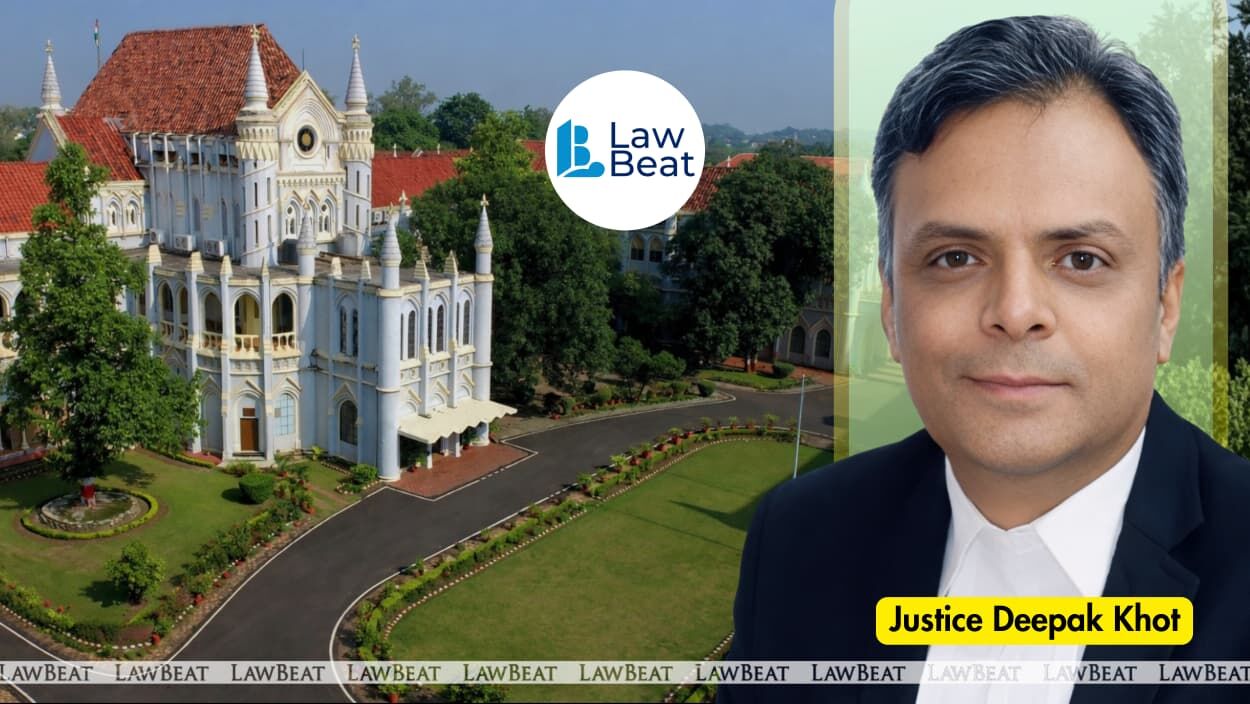
The Madhya Pradesh High Court, sitting at Jabalpur, recently found a senior town planning official guilty of contempt following his inappropriate conduct during a virtual court appearance. Shri Amit Kumar Gajbhiye, identified as the Joint Director for Town and Country Planning in Bhopal, appeared before Justice Deepak Khot via video conferencing from his bed, clad in underpants, and was observed buttoning his shirt. This incident occurred during the morning session of a hearing on October 27, in the case of M/s G.S.B. Construction vs Shri Amit Kumar Gajbhiye.
The court had previously issued an order on October 9, 2026, mandating Gajbhiye's personal presence if a compliance report was not submitted. His virtual presence was in response to this directive. The court explicitly recorded that his appearance was made "from his bed closing his buttons of the shirt and in underpant," leading to an immediate finding of misconduct and contempt of court.
Court Emphasizes Decorum in Video Conferencing Conduct
In its ruling, the Madhya Pradesh High Court underscored the critical importance of maintaining proper decorum during all court proceedings, including those conducted virtually. The court deemed Shri Amit Kumar Gajbhiye's actions as not conforming to expected court standards and therefore contemptuous. This decision highlights that the sanctity and formality of the courtroom extend to virtual settings, requiring participants to uphold the same level of respect and professionalism as if they were physically present.
This ruling from the Madhya Pradesh High Court underscores that virtual court appearances are not a lesser obligation and demand the same respect and decorum as physical attendance. The court's observation that Gajbhiye's conduct constituted both misconduct and contempt sends a clear message regarding India court video conferencing conduct, emphasizing that a private setting does not diminish the gravity of judicial proceedings.
Severe Consequences for Disrespectful Conduct
The High Court did not merely issue a finding of contempt; it mandated significant repercussions for the Joint Director Town Planning contempt. The court directed that appropriate disciplinary action be initiated against Shri Amit Kumar Gajbhiye, requiring a report on these actions to be filed within four weeks. Furthermore, a show-cause notice was issued to Gajbhiye, demanding an explanation within four weeks as to why criminal contempt proceedings should not be launched against him for his "unbecoming conduct" during the virtual hearing. The matter is scheduled for its next hearing on November 30, 2026.
Deputy Advocate General Swapnil Ganguly, assisted by Advocate Akash Malpani, represented the State and assured the court that the matter would be escalated to higher officials to ensure suitable disciplinary action virtual court misconduct. This commitment was noted by the court, reinforcing the seriousness with which such breaches of decorum are being treated by both the judiciary and government authorities.
Underlying Land Dispute Led to Appearance
The contempt petition itself originated from a land use dispute involving the petitioner, M/s G.S.B. Construction. Initially, the authority had addressed the petitioner's representation on the premise that it sought a change in land use. However, counsel for the petitioner, Advocates Saket Upadhyay and Dinesh Kumar Upadhyay, brought to the court's attention a letter dated October 3, 2025, which had been filed alongside the petition.
This letter, according to the court, contained a recommendation for correcting the map and the nature of the land. It revealed that the land in question had been erroneously recorded as industrial by the respondent authority, despite being designated as a residential area under the Master Plan. The recommendation had been forwarded by the Joint Director, Town and Country Planning, Jabalpur, to the Joint Director (IT), Directorate of Town and Country Planning, Bhopal. In light of this, the court critically assessed the authority's handling of the representation, concluding that the order passed was "merely an eyewash." The court subsequently directed the petitioner to submit a new application for land use rectification through the ALPASS Portal, with the respondent counsel assuring a prompt decision.
Practical Implications
Lawyers must advise clients and government officials on the critical importance of maintaining strict court decorum during virtual appearances, as the Madhya Pradesh High Court's ruling demonstrates that improper conduct can lead to severe consequences, including contempt of court charges and disciplinary action, even if appearing from a private setting. Compliance officers should update internal guidelines to reflect the gravity of virtual court proceedings.
Source
How does this affect you?
Get an AI analysis of this article grounded in your jurisdictions, practice areas, and any policy documents you've uploaded to Wansom.
Finish Reading the Full Story and the Expert Analysis.
Wansom is AI and can make mistakes.