
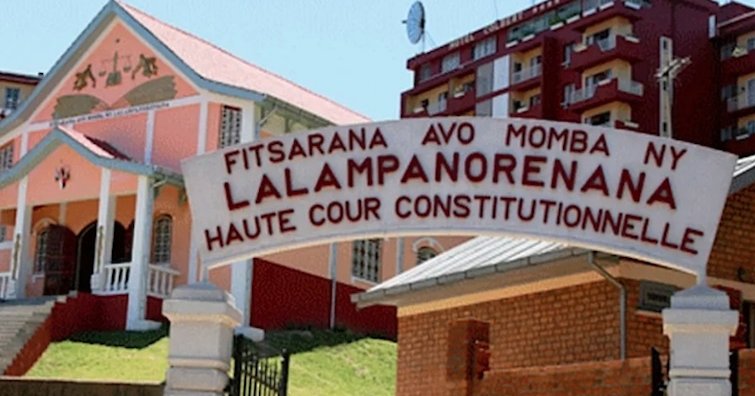
Madagascar HCC: Rejects KINTANA National Assembly Dissolution Bid
Summary
- Madagascar's Haute Cour constitutionnelle (HCC) rejected a request from the KINTANA political party to dissolve the National Assembly.
- The decision was deliberated and issued on August 26, 2026, in Antananarivo.
- KINTANA had argued for the dissolution based on an alleged "institutional deadlock" between the Executive and the National Assembly.
- The HCC declared the request inadmissible, dismissing the petition filed eight days prior.
- This ruling reinforces the stability of Madagascar's legislative body and sets a high bar for future dissolution attempts.
What Happened
The decision by the Haute Cour constitutionnelle (HCC) to declare KINTANA's request inadmissible (irrecevable) underscores the stringent legal requirements for dissolving a national legislative body in Madagascar.
Madagascar's highest constitutional authority, the Haute Cour constitutionnelle (HCC), has formally dismissed a petition from the KINTANA political party that sought the dissolution of the National Assembly. The court rendered its definitive decision on August 26, 2026, following deliberations held in Antananarivo. This ruling effectively rejects KINTANA's bid to force new legislative elections, upholding the current composition of the parliamentary body.
The political party KINTANA had lodged its request with the constitutional court just eight days prior to the ruling. Their primary argument for seeking the dissolution of the National Assembly centered on the assertion of an existing "institutional deadlock" between the Executive branch and the legislative body. This claim suggested a fundamental inability of the two branches to function cooperatively, thereby necessitating a reset of the legislative mandate.
Legal Context and the HCC's Role
The decision by the Haute Cour constitutionnelle (HCC) to declare KINTANA's request inadmissible (irrecevable) underscores the stringent legal requirements for dissolving a national legislative body in Madagascar. As the ultimate arbiter of constitutional matters, the HCC plays a critical role in safeguarding the stability of state institutions and interpreting the nation's fundamental laws. Its pronouncement in this instance, rejecting the KINTANA dissolution request, highlights the high threshold political entities must meet when challenging the operational continuity of the National Assembly.
The concept of an "institutional deadlock" is a significant constitutional claim, implying a paralysis in governance that could justify extraordinary measures like dissolving parliament. However, the HCC's ruling suggests that KINTANA's submission did not satisfy the court's criteria for demonstrating such a deadlock, or perhaps lacked the procedural or substantive grounds required for the court to even consider the merits of the dissolution. This particular Haute Cour constitutionnelle KINTANA décision sets a precedent regarding the interpretation and application of constitutional provisions related to governmental stability and the separation of powers within Madagascar's legal framework.
Why It Matters
The rejection of KINTANA's demand for the dissolution of the National Assembly by the Madagascar HCC reinforces the stability of the country's legislative branch. This outcome signals that the constitutional court views the current institutional arrangements as functional, or at least not in a state of irremediable deadlock as alleged by the political party. Such a ruling by the HCC irrecevable demande KINTANA is crucial for maintaining political predictability and preventing premature or politically motivated attempts to destabilize the legislative process.
This decision has significant implications for Madagascar's political landscape and its constitutional jurisprudence. It clarifies the high bar for what constitutes a legitimate "blocage institutionnel" warranting the dissolution of the Assemblée nationale, effectively limiting the avenues for political actors to force early elections through constitutional challenges. The ruling underscores the HCC's role as a bulwark against political instability, affirming its authority to interpret the parameters of constitutional crises and the appropriate remedies under Droit constitutionnel Madagascar.
Practical Implications
This decision by the HCC clarifies the high threshold required for the dissolution of the National Assembly in Madagascar, particularly concerning claims of 'institutional deadlock.' Lawyers advising political entities or engaged in constitutional law should note this precedent regarding the HCC's interpretation of such requests.
Source
How does this affect you?
Get an AI analysis of this article grounded in your jurisdictions, practice areas, and any policy documents you've uploaded to Wansom.
Finish this article free. Just your email for instant unlock.
Wansom is AI and can make mistakes.