
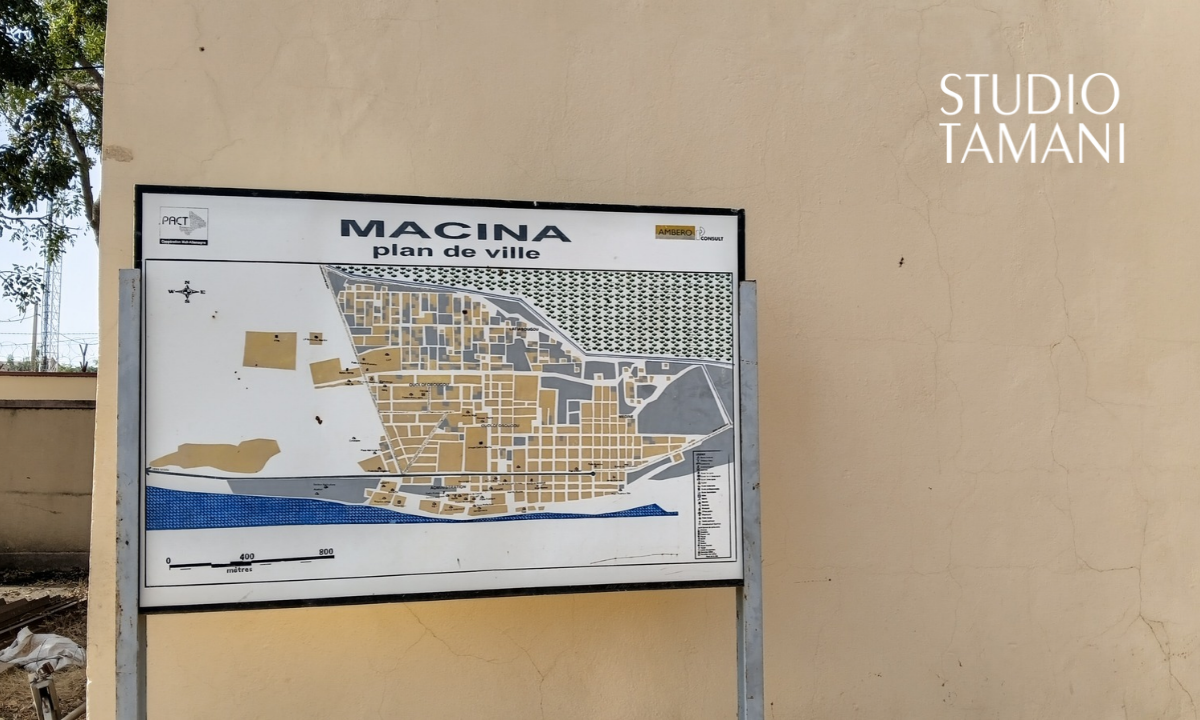
Macina Faces Challenges in Local Tax Collection, Low Recovery Rate
In Macina, Mali, communal authorities reported an alarmingly low collection rate for the Taxe de développement régional et local (TDRL) in 2026, with only 59,000 CFA francs recovered against an expected 23 million CFA francs, prompting a meeting with village chiefs this Wednesday, October 21.
This significant shortfall in local tax collection has profound legal and economic implications for the Macina commune and potentially for other local government entities across Mali. Legally, it points to challenges in tax compliance and enforcement under Malian tax law, particularly concerning local levies designed to fund regional and local development projects. The inability to collect anticipated revenues directly impacts the commune's capacity to deliver public services and execute development initiatives, potentially leading to a breach of its statutory obligations to its citizens. Economically, such low collection rates can stifle local growth, perpetuate reliance on central government transfers, and undermine fiscal decentralization efforts. The meeting with village chiefs suggests an attempt to address the issue through community engagement, which is a crucial step before resorting to more stringent legal enforcement measures.
The legal framework governing this situation includes the Malian General Tax Code (Code Général des Impôts) and specific legislation pertaining to local government finance and decentralization, which define the scope, assessment, and collection mechanisms for taxes like the TDRL. Communal authorities are empowered to levy and collect these taxes, and the law also outlines procedures for enforcement against non-compliant taxpayers, which can range from administrative penalties to legal action. The key parties involved are the communal authorities of Macina, the village chiefs representing the local populace and taxpayers, and indirectly, the taxpayers themselves who are subject to the TDRL. The Ministry of Finance and the Directorate General of Taxes may also have an oversight role in ensuring compliance with national tax policies.
For legal practitioners, this situation highlights the importance of understanding local tax regimes and the legal avenues available for both tax collection and taxpayer compliance. Attorneys advising local governments should be prepared to assist in developing and implementing effective tax collection strategies, including legal enforcement mechanisms, while also ensuring due process for taxpayers. They should also be aware of the legal implications of fiscal decentralization and the responsibilities of communal authorities. For businesses and individuals operating in Macina or similar regions, it is a reminder to be aware of local tax obligations and to monitor any increased enforcement efforts by communal authorities. The discrepancy in the reported year (2026 for collection figures versus a past date for the meeting) also underscores the need for practitioners to verify the precise fiscal periods and legal frameworks applicable to such tax matters.
How does this affect you?
Get an AI analysis of this article grounded in your jurisdictions, practice areas, and any policy documents you've uploaded to Wansom.
Finish Reading the Full Story and the Expert Analysis.
Get the latest legal & regulatory intelligence in Mali
Wansom is AI and can make mistakes.