
Machakos County: SBM Bank Mortgage Scheme Audit Under Senate Scrutiny
Summary
- The Senate questioned Machakos County over Sh96 million held by SBM Bank as security for an employee car and mortgage scheme.
- The funds have earned no interest since 2019, and employees also provide personal collateral for the loans.
- Auditor-General findings showed only Sh55.3 million of the Sh96 million deposited in 2019 had been disbursed to six beneficiaries.
- Governor Wavinya Ndeti stated the county is renegotiating the agreement with SBM Bank to address concerns.
- The Senate committee directed the county to submit a revised agreement, an updated loan book, complete municipal asset valuations, and ensure compliance with diversity in recruitment.
Senate Questions Machakos County's Mortgage Scheme Management
The scrutiny by the Senate committee underscored fundamental principles of public finance management Kenya, particularly the expectation that public funds, when utilized, should either generate returns or be deployed in a manner that clearly provides public value.
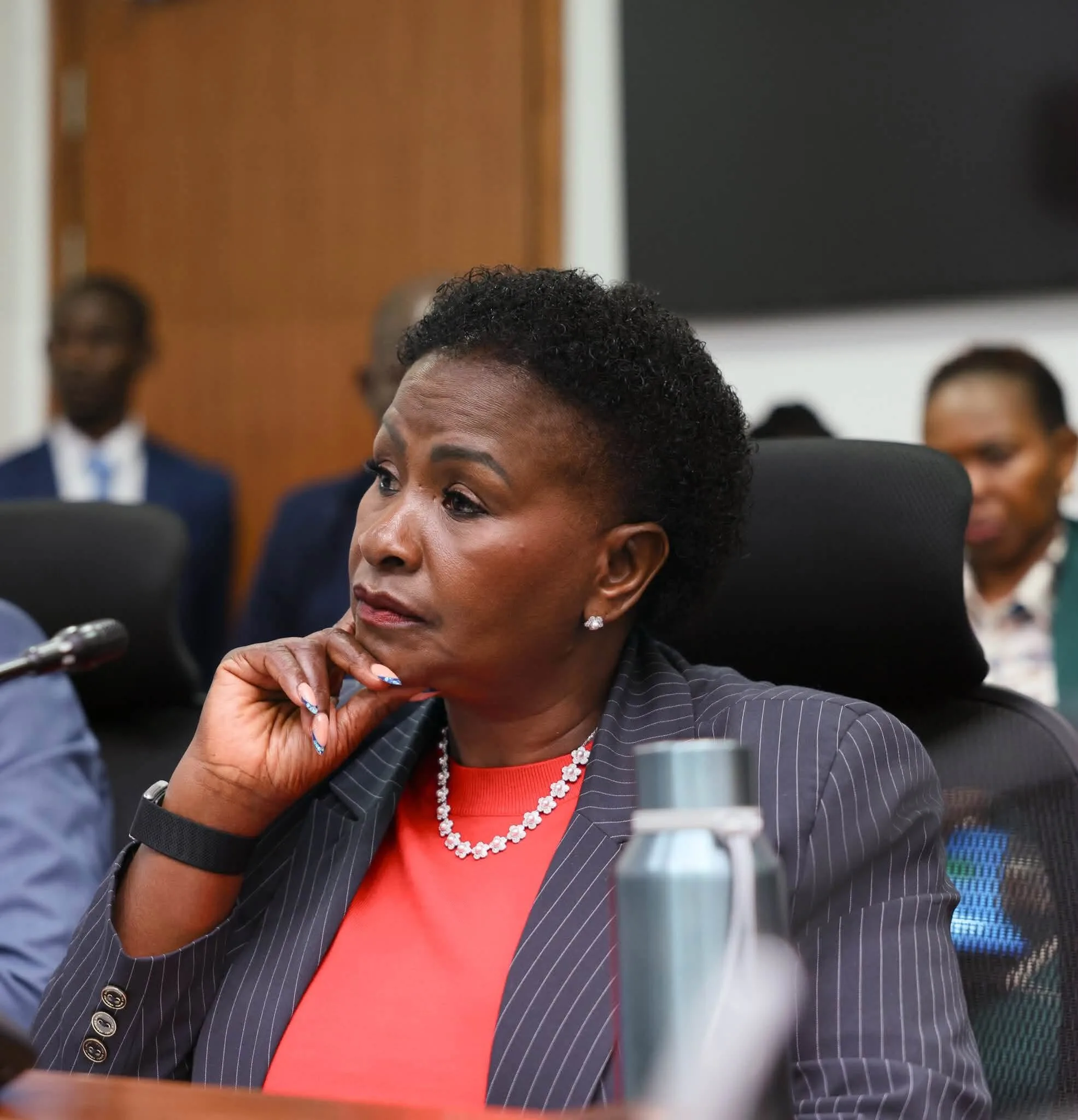
The Machakos County Government recently faced intense scrutiny from the Senate regarding the management of a significant sum of public money tied to an employee car and mortgage scheme. Legislators on the Senate County Public Investments and Special Funds Committee, led by vice-chairperson Senator Beth Syengo during a recent session, questioned Governor Wavinya Ndeti and her executive about Sh96 million held by SBM Bank. This substantial deposit serves as security for the scheme, yet a primary concern highlighted by the committee is that these funds have failed to accrue any interest since their placement in 2019.
Further compounding the committee's apprehension was the discovery that while the county's Sh96 million acts as collateral, the employees benefiting from the loans are simultaneously required to provide their own personal security, such as title deeds and vehicle logbooks. This dual collateral arrangement, where public funds are essentially dormant while beneficiaries also pledge private assets, prompted Senator Syengo to emphasize the need for the county to reassess the scheme. She stressed that public funds must demonstrate value to the citizenry, particularly when held without generating returns.
Governor Ndeti defended the county's position, clarifying that the Sh96 million was not simply idle but actively utilized as collateral, enabling SBM Bank to disburse its own capital to employees participating in the scheme. Acknowledging the validity of the concerns raised by both auditors and the Senate, the Governor confirmed that Machakos County is actively engaged in discussions with the bank to renegotiate the terms of the existing agreement, aiming for a revised and improved arrangement. This ongoing dialogue underscores the pressure on county governments to ensure optimal use of public resources.
Audit Revelations and Oversight Body's Concerns
The Senate's inquiry into the Machakos County SBM Bank mortgage scheme audit was primarily triggered by critical findings from the Auditor-General. These findings revealed that the county initially deposited the Sh96 million with SBM Bank in 2019. However, despite this substantial deposit, only Sh55.3 million has been disbursed to a mere six beneficiaries under the scheme, raising questions about its efficiency and reach. The committee expressed particular alarm over the structure where public funds are held as collateral without earning interest, especially when beneficiaries are also required to provide personal guarantees.
Beyond the specifics of the mortgage scheme, the committee's broader Kenya Senate county funds scrutiny extended to other areas of Machakos County's financial and administrative management. Concerns were also voiced regarding deficiencies in the county’s municipal asset registers, issues with compliance related to revenue-account requirements, and a failure to meet statutory obligations concerning ethnic diversity and the representation of persons with disabilities in recruitment processes. These additional points underscore systemic challenges in public finance management Kenya within the county administration.
Demands for Transparency and Public Value
The scrutiny by the Senate committee underscored fundamental principles of public finance management Kenya, particularly the expectation that public funds, when utilized, should either generate returns or be deployed in a manner that clearly provides public value. The current setup of the Machakos County car loan collateral scheme, where a significant sum sits without interest while also requiring individual collateral, directly contravenes these principles. Senator Agnes Kavindu urged the county to restructure the scheme to ensure broader employee access while rigorously safeguarding public resources, advocating for a sustainable model that benefits more eligible staff.
Senator William Kisang further pressed the county executive for concrete evidence to substantiate their assurances regarding the scheme's future. He emphasized that verbal commitments are insufficient for audit purposes, demanding documentary proof including a revised agreement with SBM Bank, clear evidence of negotiations, and a detailed record outlining how the county intends to protect the Sh96 million. This insistence on tangible documentation reflects the committee's commitment to robust oversight and accountability in the utilization of public funds.
Committee Directives for Remedial Action
In response to the findings and ongoing concerns, the Senate committee issued several direct orders to the Machakos County Government. Foremost among these County Public Investments Committee recommendations was the directive to renegotiate the agreement with SBM Bank concerning the Sh96 million public funds. The county is mandated to submit a revised draft of this agreement, along with an updated loan book, to the committee for review. This action is critical to address the issues of non-interest-earning collateral and to ensure the scheme aligns with sound public finance management principles.
Furthermore, the committee instructed Machakos County to complete the valuation of its municipal assets, a crucial step for accurate financial reporting and accountability. The county was also ordered to ensure that all future recruitment within its municipalities adheres strictly to statutory requirements regarding diversity and the representation of persons with disabilities. The committee plans to meticulously assess the county's submissions to determine whether previous recommendations, stemming from the Auditor-General Machakos findings, have been effectively implemented, reinforcing the ongoing nature of this parliamentary oversight.
Practical Implications
This case highlights the increasing scrutiny by parliamentary committees on county government financial arrangements, particularly regarding public funds held as collateral and the requirement for such funds to generate returns. Lawyers advising public entities or financial institutions on similar schemes should review collateral structures and ensure compliance with public finance management principles to avoid audit queries and potential renegotiations.
Source
How does this affect you?
Get an AI analysis of this article grounded in your jurisdictions, practice areas, and any policy documents you've uploaded to Wansom.
Finish Reading the Full Story and the Expert Analysis.
Get the latest legal & regulatory intelligence in Kenya
Wansom is AI and can make mistakes.