
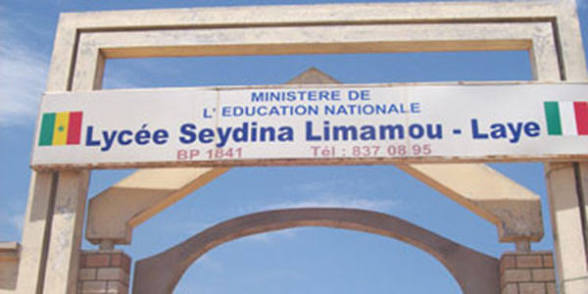
Lycée Limamoulaye: Faux Bulletins Lead to 2 Student Arrestations
Summary
- Two former students from Lycée Limamoulaye were arrested in Guédiawaye on November 10, 2026, for allegedly using fake report cards.
- The students, aged 20 and 21, had been excluded after repeating the second grade twice and sought to enroll in first grade L2 with the falsified documents.
- They claimed to have purchased the fake report cards for 3,000 FCFA each from a 21-year-old man.
- The alleged forger confessed to creating the documents and stated another man assisted him.
- All three individuals, the two students and the alleged forger, have been placed in police custody, and the prosecutor of Pikine-Guédiawaye has been informed.
Incident at Lycée Limamoulaye
This incident serves as a stark reminder of the severe legal consequences associated with falsifying official documents in Senegal, particularly academic records.
Authorities in Guédiawaye initiated an investigation into alleged academic fraud following a report from the proviseur of Lycée Limamoulaye. On Tuesday, November 10, 2026, the school official contacted law enforcement regarding two former students suspected of presenting falsified academic records. These individuals, aged 20 and 21, had been excluded from the institution after failing to advance from the second grade following two repeated attempts. Their alleged objective was to secure admission into the first grade L2 program using the fraudulent documents.
The police subsequently took the two former students into custody as part of the ongoing inquiry into the Lycée Limamoulaye faux bulletins arrestation. This development highlights the serious measures educational institutions are prepared to take against attempts to circumvent academic regulations through illicit means. The incident underscores the challenges faced by schools in maintaining the integrity of their academic processes and the potential legal repercussions for those who engage in such deceptive practices.
Uncovering the Falsification Scheme
Further details emerged regarding the origin of the counterfeit academic records. The two former students reportedly admitted to purchasing the faux bulletins scolaires Sénégal, each costing 3,000 FCFA. Their statements led investigators to a 21-year-old man, who has since been identified as the alleged forger. This individual was also taken into police custody in connection with the case.
During questioning, the alleged forger confessed to his involvement in creating the fraudulent documents. He further implicated another individual, stating that this accomplice assisted him in the production of the falsified materials. The arrestation élèves faux documents and the alleged perpetrator marks a significant step in uncovering the network responsible for this falsification documents scolaires, indicating a more organized effort behind the academic deception.
Legal Implications and Accountability
The gravity of the situation is underscored by the involvement of the judicial system. The procureur Pikine-Guédiawaye has been formally apprised of the facts surrounding the case. This notification signals the potential for criminal charges against all individuals implicated in the fraude scolaire Guédiawaye, including the former students and those responsible for manufacturing the fake documents. The placement of the students and the alleged forger in police custody, known as "garde à vue," is a standard procedure in Senegal for serious offenses, allowing authorities to conduct further investigations before formal charges are laid.
This incident serves as a stark reminder of the severe legal consequences associated with falsifying official documents in Senegal, particularly academic records. Such actions are not merely administrative infractions but constitute criminal offenses that can lead to significant penalties. The ongoing investigation by the procureur Pikine-Guédiawaye will determine the full extent of the charges and the ultimate legal fate of those involved in this scheme to undermine the integrity of the educational system.
Practical Implications
This case underscores the criminal liability for falsifying official documents in Senegal, particularly academic records. Lawyers should advise clients, including students and educational institutions, on the severe legal consequences of such actions and the importance of robust document verification processes to mitigate fraud risks.
Source
How does this affect you?
Get an AI analysis of this article grounded in your jurisdictions, practice areas, and any policy documents you've uploaded to Wansom.
Finish Reading the Full Story and the Expert Analysis.
Get the latest legal & regulatory intelligence in Senegal
Wansom is AI and can make mistakes.