
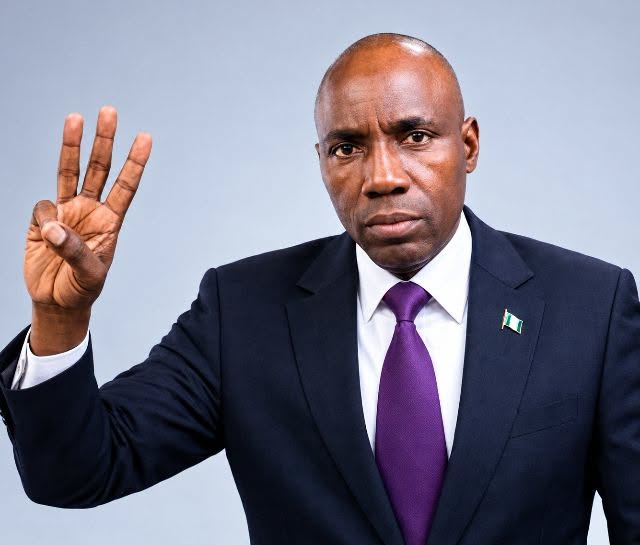
Lusaka High Court Orders Release of Opposition Leader Enock Tonga
Opposition President Enock Roosevelt Tonga was released from detention in Zambia after over a month at Kabwata Police cells, following a Lusaka High Court order. Tonga, an election observer for the NRPUP, was initially detained at the Mulungushi Conference Center after he reportedly queried the Electoral Commission of Zambia (ECZ) over unverified results and was allegedly assaulted by UPND cadres. The specific charges that led to his prolonged detention are not detailed in the excerpt, nor is the precise nature of the High Court's order that secured his release, such as whether it was a bail order or a writ of habeas corpus.
This development carries significant legal implications for practitioners, particularly in the realm of constitutional law and human rights. It underscores the judiciary's vital role in upholding individual liberties and ensuring due process, especially for political figures and those involved in election monitoring. The High Court's intervention highlights the availability of judicial avenues to challenge prolonged or potentially unlawful detention, reinforcing the principle of judicial oversight in a democratic system. For businesses, it signals the importance of a functioning judiciary in maintaining the rule of law, which is crucial for stability and investor confidence.
The legal context for this situation primarily involves the Zambian Constitution, which guarantees fundamental rights, including the right to personal liberty under Article 13. The Criminal Procedure Code would govern the procedures for arrest, detention, and bail. The High Court, as part of Zambia's superior courts, possesses inherent supervisory jurisdiction and the power to issue prerogative writs, such as *habeas corpus*, to inquire into the legality of detention. The Electoral Process Act would govern the conduct of elections and the rights and responsibilities of election observers, while the Public Order Act might be relevant if the detention was related to public assembly. The key parties involved are Enock Roosevelt Tonga, the Electoral Commission of Zambia (ECZ), unnamed UPND cadres, the Kabwata Police, and most importantly, the Lusaka High Court.
Practitioners should closely monitor judicial pronouncements regarding the rights of political actors and election observers, as well as the limits of police powers, particularly in politically charged environments. Attorneys must be well-versed in the constitutional protections against arbitrary detention and the procedural mechanisms available to challenge such detentions, including applications for bail or *habeas corpus*. Understanding the High Court's role in safeguarding these rights is paramount for advising clients, whether they are political figures, activists, or organizations involved in civil society. The specific grounds for the High Court's order are not reported, but its intervention is a critical point for legal professionals to note.
How does this affect you?
Get an AI analysis of this article grounded in your jurisdictions, practice areas, and any policy documents you've uploaded to Wansom.
Finish Reading the Full Story and the Expert Analysis.
Get the latest legal & regulatory intelligence in Zambia
Wansom is AI and can make mistakes.