
Luke Brugnara: Pro Se Pandemic Fraud Trial Proceeds Despite Judge's Warnings
Summary
- Former San Francisco real estate investor Luke Brugnara, 62, is currently held without bail pending his federal trial for alleged pandemic-era wire fraud and money laundering, where he plans to represent himself.
- Brugnara is accused of submitting fraudulent loan applications in 2021, obtaining over $400,000 in federal assistance for his business.
- Senior U.S. District Judge Maxine M. Chesney found Brugnara competent to proceed pro se but repeatedly warned him against the decision, citing risks and his lack of legal expertise.
- Brugnara has a history of disruptive self-representation in a 2015 fraud trial, which resulted in a conviction and a seven-year prison sentence, upheld on appeal despite arguments about his behavior.
- Judge Chesney has explicitly stated she will not tolerate a repeat of his past courtroom conduct and reserves the right to revoke his pro se status if he fails to follow rules.
Current Charges and Self-Representation Decision
This case serves as a stark reminder of the challenges and inherent risks associated with a defendant's right to self-representation in complex federal criminal proceedings, even when judges strongly advise against it.
Former San Francisco real estate investor Luke Brugnara, 62, is currently held without bail pending his federal trial in the Northern District of California, where he is set to represent himself against accusations of orchestrating a pandemic-era fraud scheme. Indicted in May 2024, Brugnara faces nine counts of wire fraud and three counts of money laundering. Prosecutors allege that in 2021, through his real estate investment business, Brugnara Corporation, he submitted fraudulent loan applications for federal relief programs, ultimately securing over $400,000 in federal assistance. If convicted, he could face substantial prison time, with each wire fraud count carrying a maximum sentence of 20 years and each money laundering count up to 10 years.
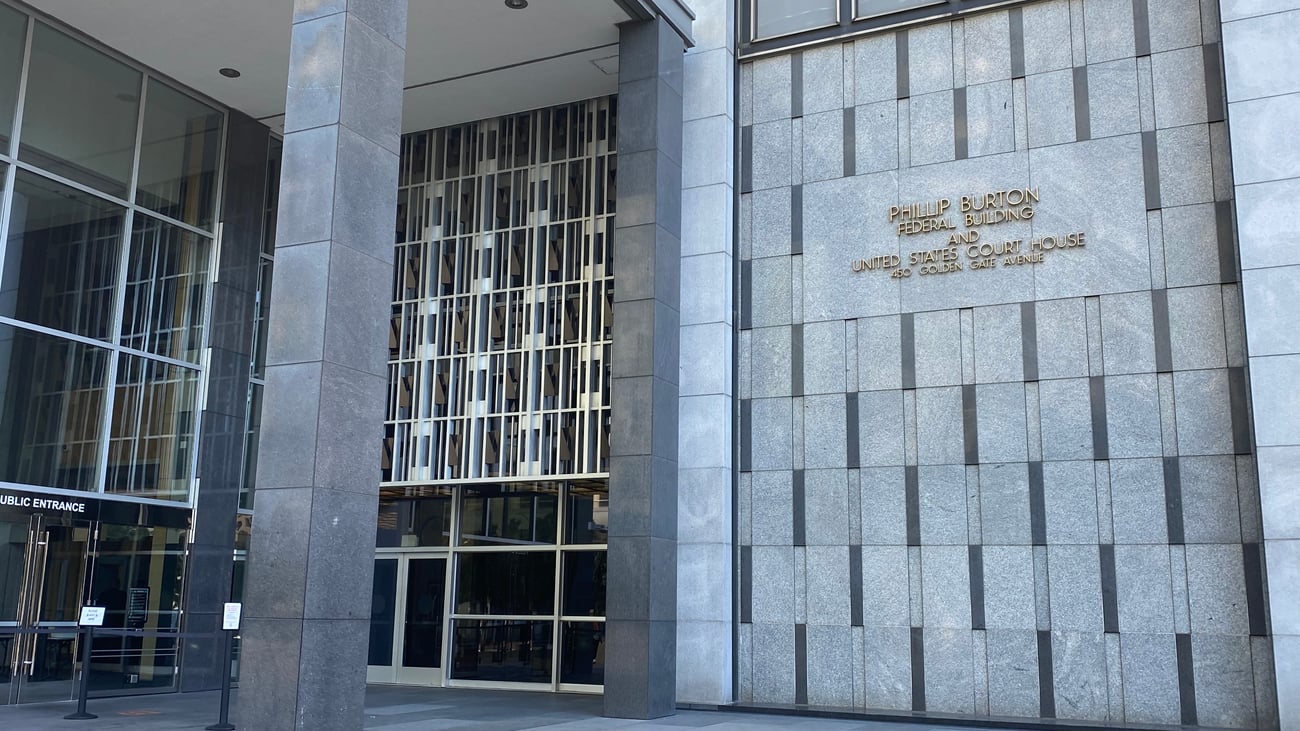
Despite the gravity of the charges and the potential penalties, Brugnara has opted to proceed pro se. Senior U.S. District Judge Maxine M. Chesney, presiding over the case at the Phillip Burton Federal Building & United States Courthouse in San Francisco, found him competent to do so, yet issued repeated and strong warnings against the decision. Judge Chesney emphasized that a trained lawyer would provide superior representation, highlighting the inherent disadvantages of a layperson attempting to navigate complex legal statutes, court procedures, and rules of evidence. She explicitly urged him to reconsider, stating that self-representation is generally unwise for anyone.
The Right to Self-Representation and Past Precedent
Judge Chesney's allowance for Brugnara to represent himself, despite her reservations, underscores a fundamental aspect of the Sixth Amendment: the right to counsel in criminal cases also encompasses the right to self-representation. This constitutional right means that even when a defendant's choice appears detrimental to their own defense, a court's ability to deny it is limited, provided the defendant is deemed competent. Brugnara, a convicted fraudster, asserted his familiarity with court fundamentals, citing prior experience representing himself.
This isn't Brugnara's first foray into self-representation in federal court. In a 2015 trial, where he was accused of defrauding an art dealer of $11 million in fine art, he also represented himself. During that more than two-week-long proceeding, Brugnara's conduct was notably disruptive; he badgered witnesses, interrupted court proceedings with verbal altercations involving then-Senior U.S. District Judge William Alsup and federal prosecutors, and was held in contempt multiple times for attempting to introduce inadmissible evidence. Ultimately, a jury convicted him on two counts of wire fraud, one count of mail fraud, one count of making false declarations to the court, escape, and contempt, leading to a seven-year prison sentence. On appeal, his court-appointed attorney argued that Judge Alsup should have halted the trial due to Brugnara's uncontrollable behavior, but the appeals court affirmed the sentence, ruling that a defendant's right to self-representation cannot be denied merely because they might defend themselves poorly or inadequately.
Judicial Concerns and Conditional Allowance
Judge Chesney, a Bill Clinton appointee, expressed significant concerns about the potential ramifications of Brugnara's self-representation in the current Luke Brugnara wire fraud trial. She specifically questioned his understanding of federal rules of evidence and criminal procedure, underscoring the technical demands of a complex federal case. Her warnings extended beyond the immediate trial, touching upon the possibility of an appeal if Brugnara is convicted, where he might again challenge the court's decision to permit him to proceed pro se.
Crucially, Judge Chesney made it clear that her allowance for self-representation comes with strict conditions. She explicitly warned Brugnara that she would not tolerate a repeat of the disruptive conduct observed in his 2015 trial, stating, “I will not tolerate a trial like Judge Alsup’s.” She cautioned that if he fails to adhere to court rules and maintain professional conduct, she would revoke her ruling and mandate that he be represented by counsel. This firm stance highlights the delicate balance judges must strike between upholding a defendant's constitutional rights and ensuring the orderly and fair administration of justice.
Implications for the Justice System
This case serves as a stark reminder of the challenges and inherent risks associated with a defendant's right to self-representation in complex federal criminal proceedings, even when judges strongly advise against it. It highlights the court's limited ability to deny this right, despite concerns about trial conduct and potential appeals, offering insight into judicial discretion and the boundaries of the Sixth Amendment. The situation with Luke Brugnara underscores the tension between an individual's constitutional right to choose their defense and the practical realities of ensuring a fair and efficient trial process. While defendants are afforded the autonomy to represent themselves, the judiciary bears the burden of managing potential disruptions and ensuring that the trial remains procedurally sound, even in the face of a defendant's self-sabotaging behavior.
The ongoing proceedings in the Northern District of California illustrate the judiciary's commitment to upholding constitutional rights while simultaneously attempting to mitigate the operational challenges posed by pro se defendants, particularly those with a history of courtroom misconduct.
Practical Implications
This case serves as a stark reminder of the challenges and inherent risks associated with a defendant's right to self-representation in complex federal criminal proceedings, even when judges strongly advise against it. It highlights the court's limited ability to deny this right, despite concerns about trial conduct and potential appeals, offering insight into judicial discretion and the boundaries of the Sixth Amendment.
Source
How does this affect you?
Get an AI analysis of this article grounded in your jurisdictions, practice areas, and any policy documents you've uploaded to Wansom.
Wansom is AI and can make mistakes.