
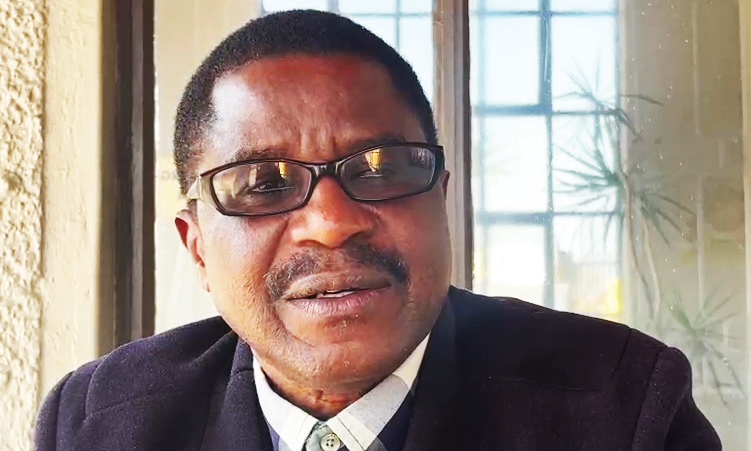
Namibia: Lubango Survivors Demand Swapo Answers on Atrocities
Summary
- Survivors of the Lubango dungeons continue to demand answers from Swapo regarding alleged killings and torture.
- These atrocities occurred during Namibia's liberation struggle against Swapo Party members accused of being South African spies.
- Lubango dungeons were underground dugout prisons allegedly used to torture and kill Swapo detainees.
- August serves as a painful annual reminder for these survivors of the historical abuses.
Persistent Demands from Lubango Survivors
The persistent calls from these survivors underscore a deep-seated need for truth and acknowledgment concerning these historical events, highlighting a chapter of internal strife that continues to haunt the nation's past and demands a comprehensive response.
For individuals who endured the harrowing experiences within the infamous Lubango dungeons, the month of August serves as a stark and painful annual reminder. These Lubango survivors, former members of the Swapo Party, continue to vocalize their demands for clarity and accountability from Swapo regarding the brutal killings and torture they or their comrades faced. The atrocities occurred during Namibia's liberation struggle, targeting those accused of being spies for the South African colonial regime, a charge that led to severe consequences within the movement's ranks and left an indelible mark on many lives.
The Shadow of Alleged Atrocities and Internal Purges
The allegations surrounding the Lubango dungeons paint a grim picture of internal conflict and severe human rights violations during a pivotal period in Namibian history. These subterranean structures, described as crude dugout prisons, were purportedly utilized by Swapo to interrogate and eliminate its own members suspected of disloyalty. The accusations leveled against the detainees — that they were agents of the South African colonial regime — led to their alleged torture and deaths, creating a lasting scar on the collective memory of the liberation movement and raising profound questions about Swapo human rights abuses Namibia.
The survivors' ongoing quest for answers from Swapo highlights a critical aspect of Namibia liberation struggle accountability. They seek a full accounting of the events that transpired in these facilities, where fellow Swapo members were subjected to extreme cruelty under suspicion of espionage. The narrative of these Lubango dungeons torture Swapo incidents remains a contentious issue, demanding resolution decades after the struggle concluded and continuing to fuel calls for justice and historical rectification.
Unanswered Questions and Calls for Justice
Despite the passage of many years since the end of the liberation struggle, the Lubango survivors continue to press for answers, emphasizing the unresolved nature of these historical injustices. Their demands are not merely for information but represent broader Lubango survivors justice claims, seeking recognition for the suffering endured and accountability for those responsible for the alleged killings and torture. The focus remains squarely on Swapo to address these allegations of human rights abuses that occurred under its watch, particularly concerning the treatment of its own members during the fight for independence.
The persistent calls from these individuals serve as a powerful reminder that the legacy of the liberation struggle is complex, encompassing not only triumphs but also difficult questions about internal conduct and the treatment of dissent. The survivors' unwavering stance underscores the importance of confronting past wrongs to ensure a complete historical record and to provide a measure of closure for those who suffered, ensuring that the experiences of the Lubango dungeons are not forgotten and that their demands for accountability are heard.
Practical Implications
Lawyers specializing in human rights or transitional justice should monitor these ongoing demands for accountability, as they could foreshadow future legal actions, truth commissions, or reparations claims against Swapo or the Namibian state. This also highlights historical human rights issues relevant for political risk analysis.
Source
How does this affect you?
Get an AI analysis of this article grounded in your jurisdictions, practice areas, and any policy documents you've uploaded to Wansom.
Wansom is AI and can make mistakes.