
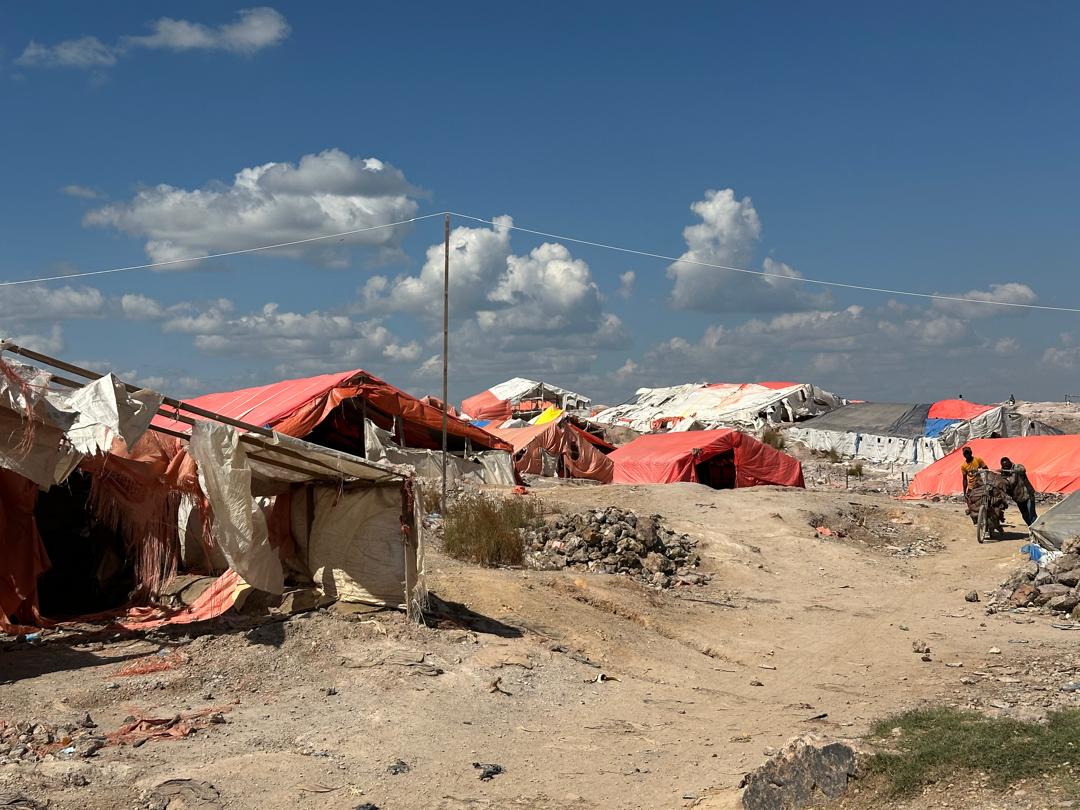
Lualaba: Une Enquête Relève des Concentrations Élevées de Dioxyde de Soufre
Summary
- High sulfur dioxide levels were recorded in Manomapia, Lualaba province, significantly exceeding WHO guidelines.
- A report by Consortium Mazingira Pour Tous attributes these industrial emissions to Tenke Fungurume Mining (TFM).
- Measurements showed a peak SO2 concentration of 1,834 µg/m³ over 10 minutes, 3.7 times the WHO short-term exposure limit.
- Residents of Manomapia reported recurring health issues like persistent coughs, eye irritation, and nosebleeds, which they link to the emissions.
- The report recommends an independent technical inspection of TFM's environmental protection systems, while residents seek immediate health care and precautionary measures.
Elevated Sulfur Dioxide Levels Detected
A peak measurement in Manomapia registered 0.7 ppm, or approximately 1,834 µg/m³ on a 10-minute rolling average, significantly surpassing the World Health Organization's (WHO) short-term exposure threshold.
Significant concentrations of sulfur dioxide (SO2), far exceeding the established guidelines of the World Health Organization (WHO), have been detected in Manomapia, located within the Lualaba province. These concerning findings were brought to light in a report issued on Monday, September 21, in Kinshasa by the Consortium Mazingira Pour Tous. The report specifically implicates industrial emissions originating from Tenke Fungurume Mining (TFM) as the probable source of these elevated levels.
However, the Consortium's findings also prudently note that a direct medical link between these atmospheric discharges and the various health pathologies reported by the local populace necessitates further rigorous verification before definitive conclusions can be drawn.
Exceeding International Health Standards
The investigation conducted by the Consortium revealed a maximal SO2 peak in Manomapia reaching 0.7 parts per million (ppm), which translates to an approximate 1,834 µg/m³ when averaged over a 10-minute period. To contextualize this measurement, the WHO's Global Air Quality Guidelines, which were most recently updated on September 22, 2021, set the short-term exposure threshold for 10 minutes at 500 µg/m³ (equivalent to about 0.19 ppm).
Consequently, the concentration recorded in Manomapia stands at an alarming 3.7 times higher than this recommended limit. For broader perspective, the WHO's guiding value for a 24-hour exposure period is considerably lower, established at 40 µg/m³.
Community Health Concerns Emerge
The comprehensive inquiry that led to these revelations involved a multi-faceted approach, incorporating precise air quality measurements, ongoing environmental monitoring, and direct interviews with 209 residents residing in Manomapia. According to the Consortium, a substantial number of the individuals interviewed reported experiencing recurrent health problems, which they consistently attribute to periods of heightened sulfur dioxide emissions. These reported ailments include, but are not limited to, persistent coughs, noticeable eye irritations, and frequent nosebleeds.
Espérant Mwishamali Lukobo, who serves as the coordinator for the Consortium Mazingira Pour Tous, underscored the gravity of the situation, stating that 'The inhabitants are currently facing recurring health problems, notably characterized by persistent coughs, eye irritations, and nosebleeds.'
Calls for Independent Verification and Action
Following their initial findings, the Consortium communicated with the management of TFM, who subsequently provided documentation detailing the filtration systems and environmental protection mechanisms implemented at their industrial site. Despite this information, the report strongly advocates for an independent technical inspection. The purpose of this recommended inspection is to thoroughly evaluate the actual effectiveness of these existing systems and to verify their capacity to adequately mitigate the observed emissions.
Meanwhile, the residents of Manomapia have voiced their own demands, calling for immediate precautionary measures to be put in place, alongside comprehensive medical care for the ear, nose, and throat (ENT) and respiratory conditions that have been widely reported within the affected area.
Source
How does this affect you?
Get an AI analysis of this article grounded in your jurisdictions, practice areas, and any policy documents you've uploaded to Wansom.
Finish Reading the Full Story and the Expert Analysis.
Get the latest legal & regulatory intelligence in DR Congo
Wansom is AI and can make mistakes.